HeadPowder, a leading engineering company based in Shandong, China, specializes in advanced pneumatic conveying solutions tailored for limestone and similar bulk materials. This article explores the fundamental principles, practical applications, and emerging trends in limestone pneumatic conveying technology, providing a comprehensive overview for industry professionals and potential clients.
Limestone Pneumatic Conveying Technology: An Overview
Limestone pneumatic conveying technology involves the transport of limestone particles through a pipeline using compressed air or other gas streams. This method offers a dust-free, efficient, and flexible solution for moving limestone from storage to processing facilities, or between different stages of industrial operations. The technology is particularly valuable in industries such as cement production, chemical processing, and mining, where reliable material handling is critical to operational efficiency.
The Core Principles of Limestone Pneumatic Conveying
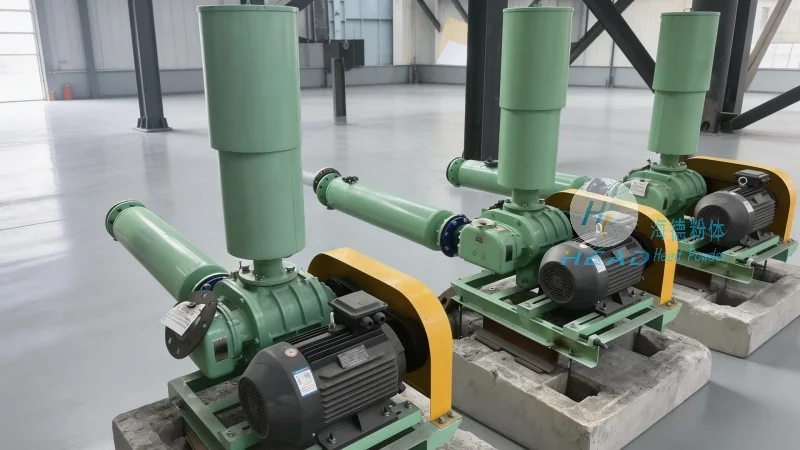
The fundamental principle behind limestone pneumatic conveying is the use of air as a medium to move solid particles. The process typically operates under positive pressure (pressure conveying) or negative pressure (suction conveying), depending on the specific application requirements. In pressure conveying systems, a blower or compressor generates compressed air that propels the limestone particles through the pipeline. The air velocity must be sufficient to overcome the gravitational forces and friction within the system, ensuring that the particles remain suspended and transported smoothly. Conversely, suction conveying systems use a vacuum to draw the limestone particles into the pipeline, often requiring a larger diameter pipeline and more powerful vacuum equipment.
Key Applications of Limestone Pneumatic Conveying
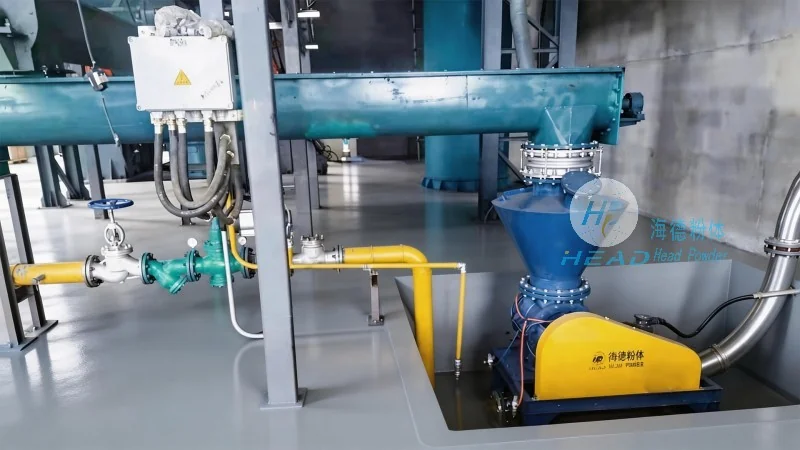
Limestone pneumatic conveying is widely applied in various industrial sectors due to its adaptability and efficiency. In cement manufacturing, for example, limestone is a primary raw material that needs to be transported from quarries to grinding mills or storage silos. Pneumatic conveying systems enable the seamless transfer of limestone, reducing the need for manual handling and minimizing material loss. Similarly, in chemical processing plants, limestone is used as a neutralizing agent or raw material for producing calcium compounds. The technology ensures that limestone is delivered to reactors or processing units in a controlled manner, maintaining consistent product quality. Additionally, in mining operations, pneumatic conveying can be used to transport limestone from underground mines to surface processing facilities, enhancing safety and operational efficiency.
Emerging Trends and Technological Advancements
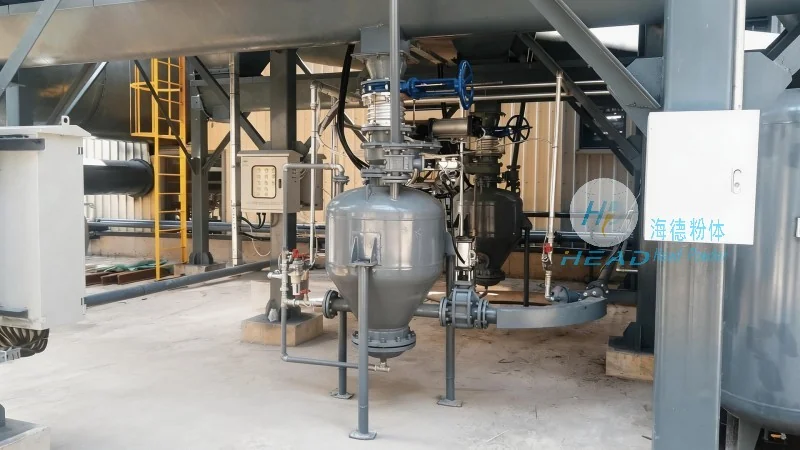
The field of limestone pneumatic conveying is continuously evolving, with several trends and technological advancements shaping its future. One significant trend is the integration of automation and digital control systems, which allows for real-time monitoring and optimization of the conveying process. Advanced sensors and control algorithms enable operators to adjust air pressure, flow rates, and particle velocities dynamically, ensuring optimal performance and minimizing energy consumption. Another trend is the development of more energy-efficient equipment, such as high-efficiency blowers and variable-speed drives, which reduce operational costs and environmental impact. Additionally, the use of advanced materials in pipeline construction, such as corrosion-resistant stainless steel or high-density polyethylene, enhances the durability and longevity of the conveying systems, especially in harsh industrial environments. Furthermore, the adoption of sustainable practices, such as using recycled air or optimizing energy usage, is becoming increasingly important as industries strive to meet environmental regulations and reduce their carbon footprint.
Conclusion
HeadPowder Engineering Co., Ltd., with its headquarters in Shandong, China, remains at the forefront of developing and implementing advanced limestone pneumatic conveying solutions. By leveraging cutting-edge technology and a deep understanding of industrial needs, the company provides customized systems that enhance operational efficiency, reduce costs, and ensure compliance with industry standards. As the demand for reliable and efficient material handling continues to grow, limestone pneumatic conveying technology will play an increasingly vital role in various industrial applications, supporting sustainable and productive operations worldwide.




