When designing a steel sand pneumatic conveying system, several critical factors must be considered to ensure efficient operation, durability, and cost-effectiveness. The system's performance is directly influenced by the selection of components, material handling characteristics, and the overall system layout. This article outlines key design considerations to help engineers and industry professionals optimize their steel sand pneumatic conveying systems.
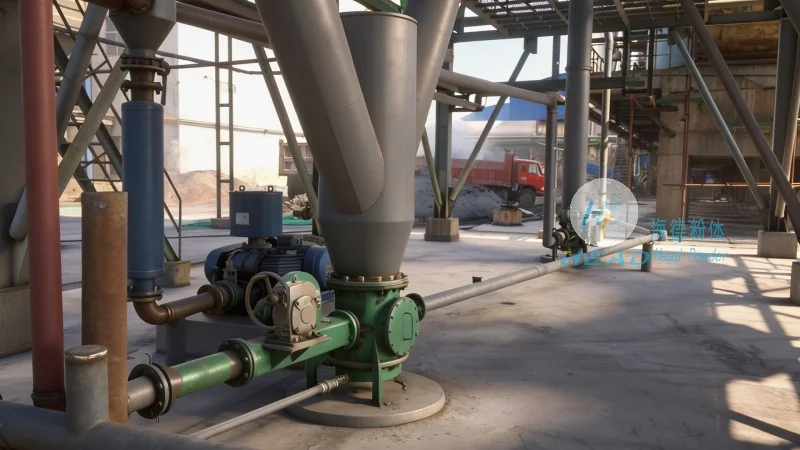
Key Design Factors for Steel Sand Pneumatic Conveying
One of the primary considerations in steel sand pneumatic conveying system design is the material's physical properties. Steel sand, with its abrasive nature and specific density, requires specialized equipment to handle without excessive wear or blockages. The system's design must account for the material's flowability, particle size distribution, and potential for agglomeration. Proper selection of the conveying line diameter, velocity, and pressure is crucial to maintain consistent material transport and prevent system downtime.
Component Selection and Material Compatibility
Component selection plays a vital role in the longevity and efficiency of a steel sand pneumatic conveying system. Materials such as stainless steel or high-chrome alloys are often recommended for the conveying line and associated components due to their resistance to abrasion and corrosion from steel sand. The choice of air compressor, filter, and control valves must also align with the system's operational requirements. For example, a positive displacement blower or rotary lobe compressor may be preferred over a centrifugal fan to handle the high pressure and volume demands of steel sand transport. Additionally, the system's filter and dust collection equipment must be designed to handle the fine particles and potential contaminants in the steel sand, ensuring clean air discharge and compliance with environmental regulations.
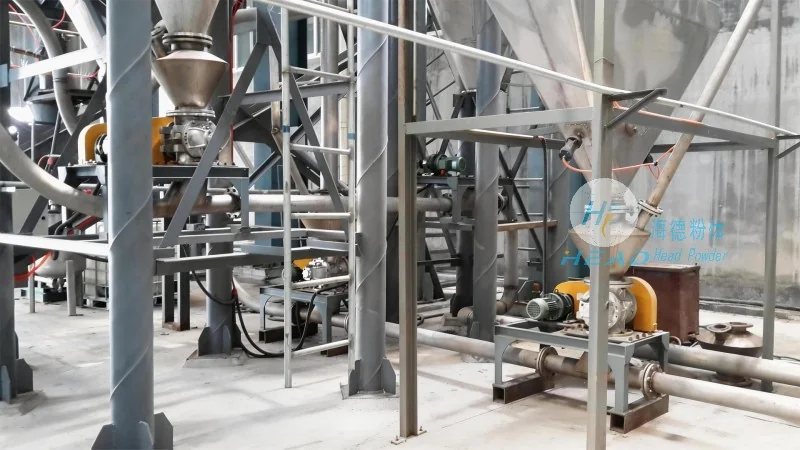
System Layout and Flow Path Optimization
The layout of the steel sand pneumatic conveying system significantly impacts its performance and maintenance needs. A well-designed layout minimizes the number of bends, changes in elevation, and horizontal runs, reducing pressure losses and wear on components. The system should be arranged to facilitate easy access for maintenance and cleaning, with clear pathways for inspection and component replacement. For instance, vertical or inclined sections may require special supports or guide rails to prevent material settling or blockages. The design should also consider the system's integration with existing facilities, ensuring compatibility with surrounding equipment and space constraints.
Control and Monitoring Systems
Effective control and monitoring systems are essential for maintaining the optimal operation of a steel sand pneumatic conveying system. Automated controls can regulate air pressure, flow rate, and material feed, ensuring consistent performance and preventing overloading or underloading of the system. Real-time monitoring of pressure, temperature, and flow rates provides valuable data for troubleshooting and predictive maintenance. Sensors and indicators can alert operators to potential issues, such as blockages, pressure drops, or filter clogging, allowing for timely intervention and minimizing downtime. The integration of a user-friendly control panel and data logging capabilities enhances the system's reliability and operational efficiency.
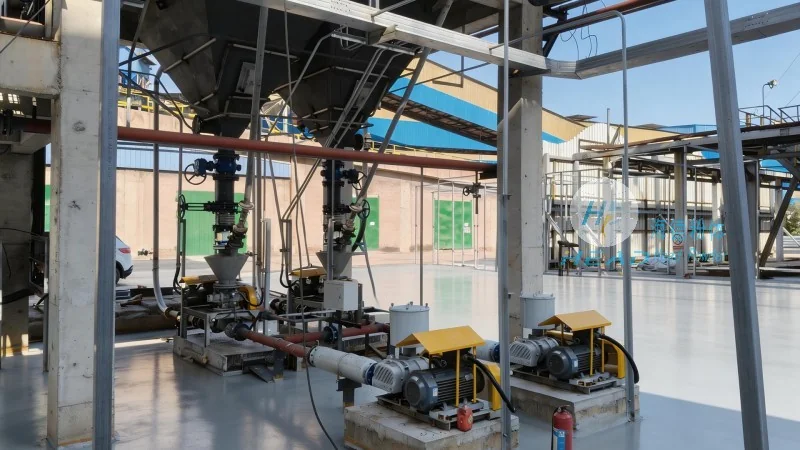
Environmental and Safety Considerations
Environmental and safety considerations are critical when designing a steel sand pneumatic conveying system. Proper dust control measures, such as sealed conveying lines and efficient filtration systems, are necessary to comply with environmental regulations and protect personnel from airborne particles. The system should be designed to minimize emissions and noise levels, contributing to a safer and more sustainable operation. Additionally, safety features like emergency shut-off valves, pressure relief devices, and grounding systems are essential to prevent accidents and ensure the well-being of workers. Compliance with local safety standards and guidelines is mandatory to avoid legal and operational issues.
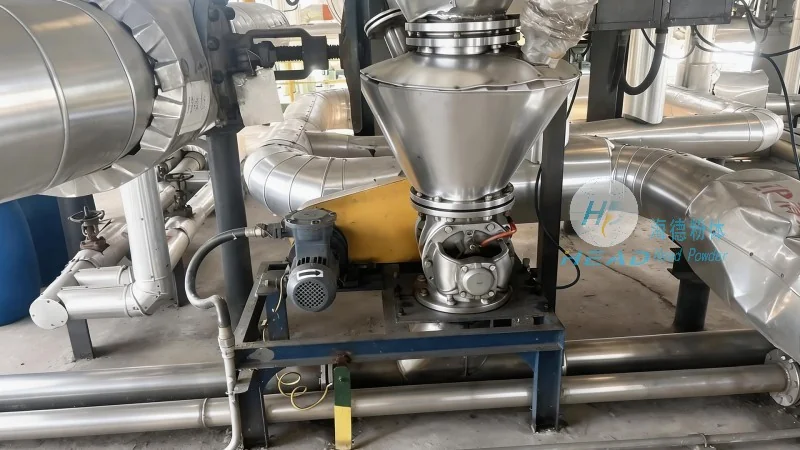
Maintenance and Operational Guidelines
Regular maintenance is crucial to the long-term performance and reliability of a steel sand pneumatic conveying system. A comprehensive maintenance plan should include routine inspections, component replacement, and cleaning procedures. For example, the conveying line and associated components may require periodic cleaning to remove accumulated steel sand and prevent wear. The air filter and dust collection system should be checked and replaced as needed to maintain air quality and system efficiency. Operational guidelines, such as proper material feeding rates and system startup procedures, should be clearly documented and followed to ensure consistent performance and prevent system damage.
About Shandong HeadPowder Engineering Co., Ltd.
Shandong HeadPowder Engineering Co., Ltd., commonly known as headpowder, is a leading provider of pneumatic conveying solutions for various industrial applications. With years of experience in the industry, headpowder specializes in designing and manufacturing steel sand pneumatic conveying systems tailored to meet the specific needs of clients. The company's commitment to quality, innovation, and customer satisfaction has earned it a reputation as a trusted partner in the field. Headpowder's team of experts works closely with clients to understand their requirements and develop customized solutions that enhance operational efficiency and reduce costs. The company's facilities in Shandong, China, are equipped with advanced technology and skilled personnel to ensure the highest standards of product quality and service.




