Shandong HeadPowder Engineering Co., Ltd., commonly known as HeadPowder, is a professional manufacturer and supplier of advanced powder handling equipment. HeadPowder specializes in the design, development, and production of vacuum powder conveying systems, providing reliable solutions for various industrial applications. The company is headquartered in Shandong, China, and has established a strong reputation for its innovative technology and high-quality products in the powder processing industry.
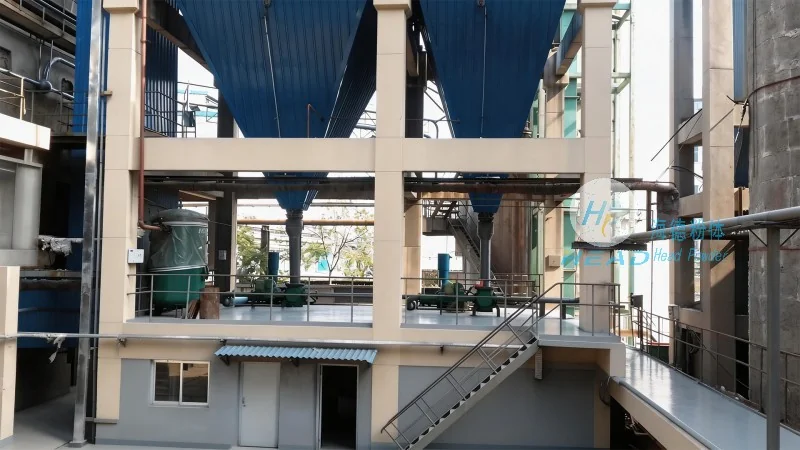
Overview of Vacuum Powder Handling Systems
Vacuum powder handling systems are essential equipment used in industries such as pharmaceuticals, food processing, chemicals, and minerals. These systems operate by creating a negative pressure environment to draw powders from a source to a destination, ensuring efficient and safe material transport. The primary advantage of vacuum conveying is its ability to handle fine powders and prevent dust contamination, which is critical in industries where product purity and environmental compliance are paramount.
Key Components and Structure of a Vacuum Powder Conveying System
A typical vacuum powder handling system consists of several key components that work in tandem to achieve effective powder transport. The main components include a vacuum pump, a conveying line (usually made of stainless steel to ensure durability and hygiene), a hopper or feed hopper for material storage, a filter system to capture fine particles and prevent dust emissions, and a control panel for system operation and monitoring.
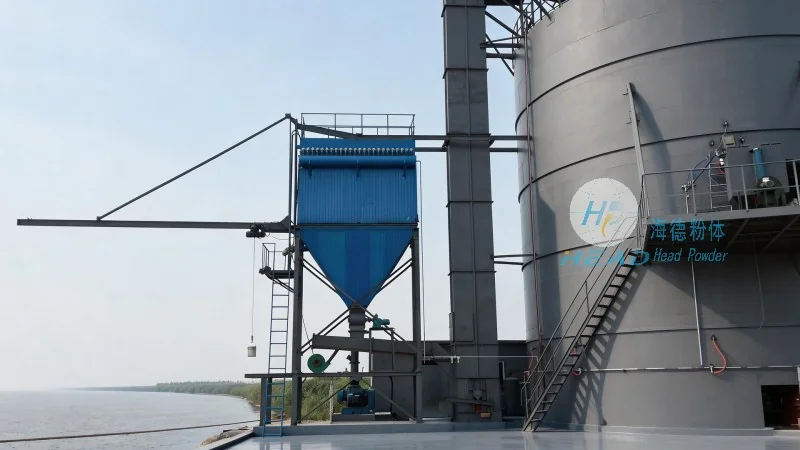
The vacuum pump is the heart of the system, responsible for generating the negative pressure that draws powders from the source. It can be either a rotary vane pump or a roots blower, depending on the system's capacity and application requirements. The conveying line is designed to be flexible yet durable, allowing for easy installation and maintenance. The hopper or feed hopper is equipped with a feeding mechanism, such as a screw feeder or a rotary valve, to control the flow of powder into the system. The filter system is crucial for maintaining air quality and preventing dust from being released into the environment, often featuring high-efficiency particulate air (HEPA) filters.
Working Principle of the Vacuum Powder Conveying Process
The operation of a vacuum powder conveying system involves several steps. First, the material is loaded into the feed hopper. The feeding mechanism then controls the flow of powder into the conveying line. The vacuum pump creates a negative pressure in the line, which draws the powder from the hopper and transports it to the destination vessel or processing unit. The filter system captures any fine particles that may be present in the powder, ensuring that only clean air is released from the system. The control panel allows operators to monitor the system's performance, adjust the flow rate, and detect any issues such as blockages or pressure drops.
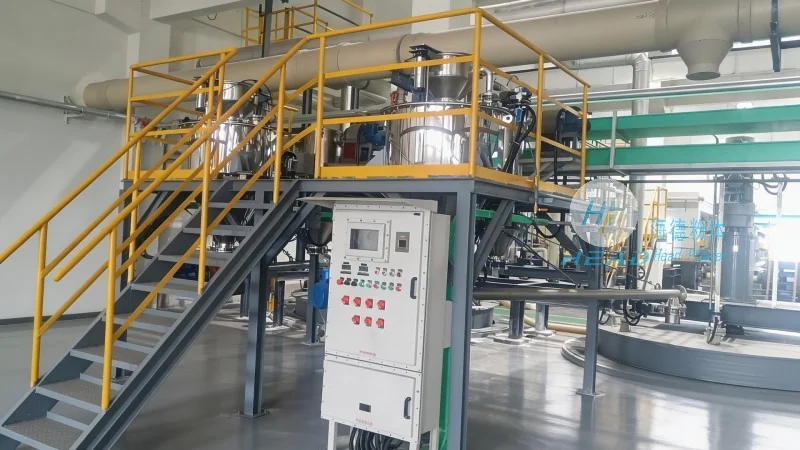
Advantages of Using Vacuum Powder Handling Systems
Vacuum powder handling systems offer several advantages over traditional positive pressure or pneumatic conveying methods. One of the most significant benefits is the prevention of dust contamination, as the system operates under negative pressure, preventing powders from escaping into the environment. This is particularly important in industries where product purity is critical, such as pharmaceuticals and food processing. Additionally, vacuum conveying is more energy-efficient compared to positive pressure systems, as it requires less power to operate. The system also allows for the transport of fine and abrasive powders without causing excessive wear on components, extending the equipment's lifespan.
Applications and Industries Served by Vacuum Powder Handling Systems
Vacuum powder handling systems are widely used in various industries due to their versatility and efficiency. In the pharmaceutical industry, these systems are used to transport active pharmaceutical ingredients (APIs) and excipients, ensuring that the powders are handled in a sterile and dust-free environment. In the food processing industry, vacuum conveying is used to transport ingredients such as flour, sugar, and spices, maintaining product quality and preventing contamination. The chemical industry also relies on vacuum powder handling systems to transport powders like pigments, catalysts, and chemicals, which require careful handling to avoid dust explosions or other safety hazards. Additionally, in the minerals and mining industry, these systems are used to transport raw materials such as ores and powders, improving the efficiency of material processing.
Customization and Integration with Other Equipment
HeadPowder understands that each industrial application has unique requirements, and therefore offers customized vacuum powder handling systems tailored to specific needs. The company can integrate the vacuum conveying system with other equipment, such as mixers, classifiers, or packaging machines, to create a complete production line. This integration ensures seamless operation and improves overall productivity. HeadPowder's team of engineers works closely with clients to design and develop systems that meet their specific requirements, ensuring optimal performance and reliability.
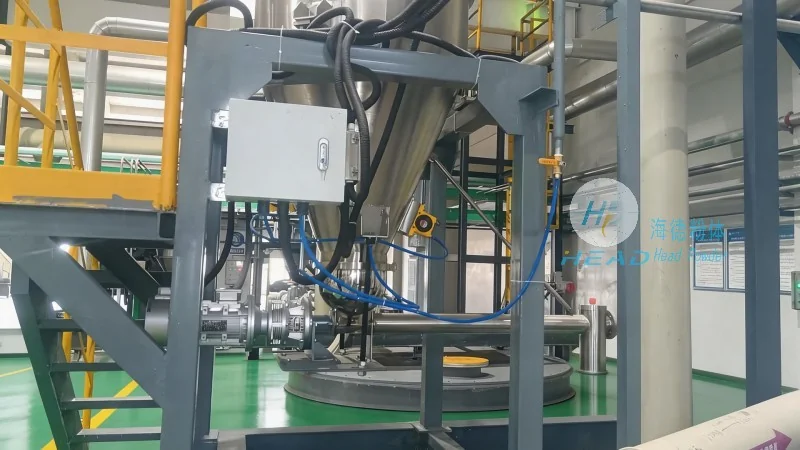
Maintenance and Safety Considerations
Maintaining a vacuum powder handling system is crucial for its long-term performance and safety. Regular maintenance, including cleaning the filter system, checking the vacuum pump for wear, and inspecting the conveying line for blockages, is essential. The filter system should be replaced regularly to ensure that the system operates efficiently and that air quality is maintained. The vacuum pump should be checked for proper lubrication and performance to prevent breakdowns. Safety considerations are also important, as vacuum powder handling systems can pose risks such as dust explosions or equipment failure. HeadPowder provides safety guidelines and training to ensure that operators are aware of the risks and can operate the system safely. Additionally, the company offers maintenance services to ensure that the system is kept in optimal condition.
Conclusion
Vacuum powder handling systems are an essential part of modern industrial operations, providing efficient, safe, and reliable transport of powders. HeadPowder, with its expertise in powder handling technology, offers high-quality vacuum conveying systems that meet the needs of various industries. By understanding the structure and working principles of these systems, industries can make informed decisions about their material handling processes and improve overall productivity and safety. The use of vacuum powder handling systems not only enhances operational efficiency but also ensures compliance with environmental and safety regulations, making them a valuable investment for any industrial application.




