When designing a pneumatic conveying system for silica powder, several critical factors must be considered to ensure efficient, reliable, and cost-effective operation. The process involves selecting appropriate equipment, understanding material properties, and implementing proper system controls. This article outlines key design considerations for silica powder pneumatic conveying systems, focusing on the expertise of Shandong HeadPowder Engineering Co., Ltd. (headpowder), a leading provider in the field, based in Shandong, China.
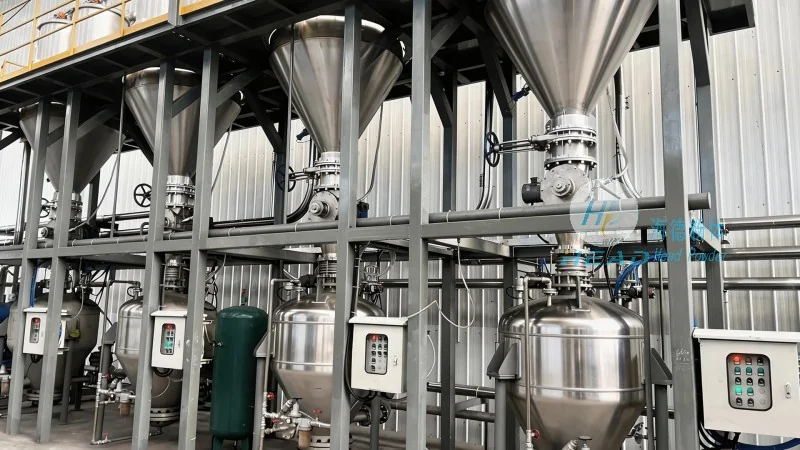
System Selection and Material Characteristics
The first step in designing a silica powder pneumatic conveying system is to evaluate the material's physical and chemical properties. Silica powder, commonly used in industries such as refractory, glass, and ceramics, has specific characteristics that influence system design. Key considerations include particle size distribution, bulk density, moisture content, and flowability. For example, fine silica powders may require higher air velocities to prevent blockages, while coarser particles might need larger ducts to maintain optimal flow. Understanding these characteristics helps in selecting the right type of pneumatic conveying system—whether it's a pressure or vacuum system, and the appropriate air flow rate and pressure levels.
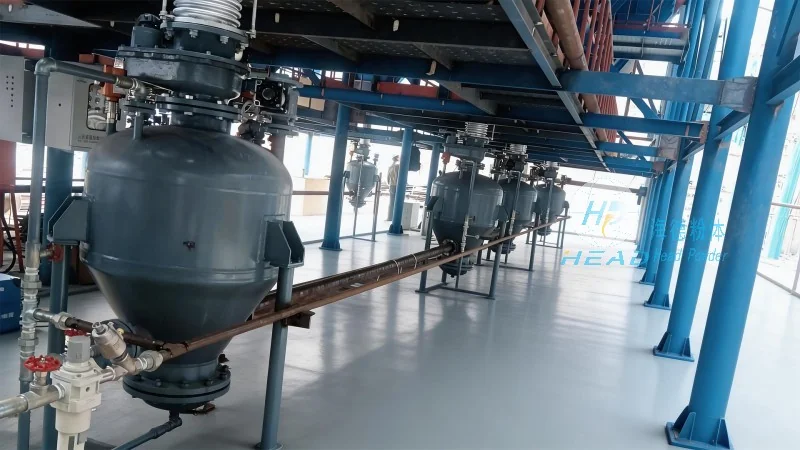
Equipment Configuration and Components
The core components of a pneumatic conveying system for silica powder include the hopper, feeder, conveying line, and receiver. Each component plays a vital role in the system's performance. The hopper must be designed to store the powder without causing segregation or compaction. A well-designed hopper with proper aeration or vibration can prevent material bridging, which is common in fine powders. The feeder, typically a rotary valve or a positive displacement pump, ensures a consistent flow rate. For silica powder, a rotary valve is often preferred due to its ability to handle fine powders without clogging. The conveying line, made of materials resistant to silica dust and corrosion (such as stainless steel or plastic), must be sized appropriately to maintain the desired air velocity. The receiver, where the powder is deposited, should be equipped with dust collection systems to comply with environmental regulations and ensure safe operation.
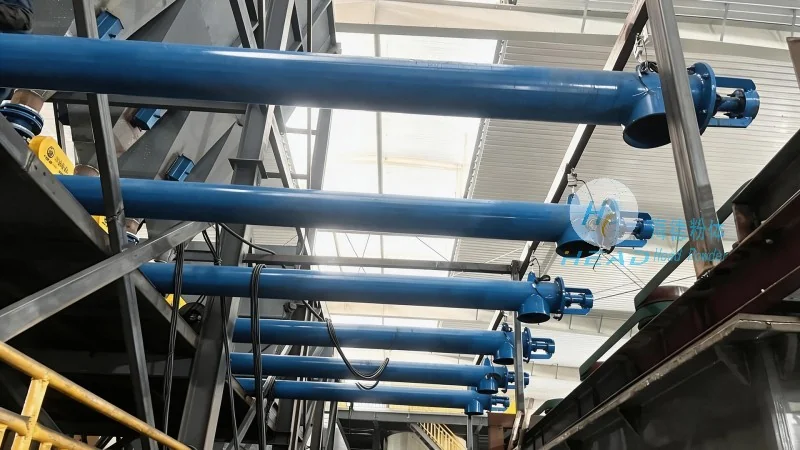
System Controls and Automation
Advanced control systems are essential for optimizing the performance of silica powder pneumatic conveying systems. Automation helps in maintaining consistent flow rates, monitoring pressure and air flow, and detecting system faults. For instance, a programmable logic controller (PLC) can regulate the feeder speed based on the hopper level, preventing overfilling or underfilling. Sensors such as pressure transducers, flow meters, and level detectors provide real-time data, allowing operators to adjust system parameters quickly. This not only improves efficiency but also reduces downtime and maintenance costs. Additionally, integration with existing plant systems can enhance overall operational efficiency, ensuring seamless material transfer between processes.
Environmental and Safety Considerations
Designing a pneumatic conveying system for silica powder must also address environmental and safety concerns. Silica dust is a known health hazard, and proper dust collection and filtration systems are mandatory. The system should include high-efficiency particulate air (HEPA) filters or cyclone separators to capture fine particles, preventing them from being released into the environment. Additionally, the system must comply with local regulations regarding dust emissions and occupational health. Safety features such as explosion-proof designs, emergency shut-off valves, and interlocks are crucial to prevent accidents and ensure safe operation. By incorporating these measures, the system not only meets regulatory requirements but also enhances worker safety and environmental protection.
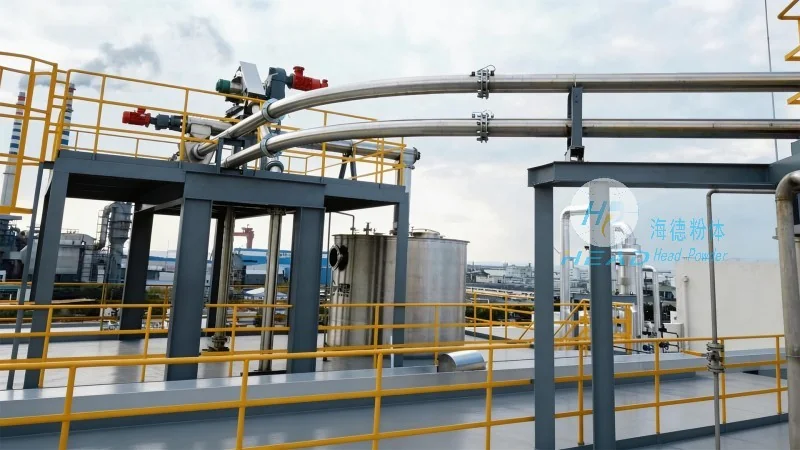
Installation and Maintenance
The successful implementation of a silica powder pneumatic conveying system requires careful installation and regular maintenance. Proper installation ensures that all components are aligned correctly and that the system operates as designed. This includes checking for proper sealing to prevent air leaks, which can reduce efficiency and increase energy consumption. Regular maintenance is essential to keep the system running smoothly. This includes cleaning the hopper and conveying line to prevent buildup, replacing worn parts such as seals and bearings, and inspecting sensors and controls for proper functionality. A well-maintained system not only extends its lifespan but also reduces the risk of breakdowns and costly repairs. Shandong HeadPowder Engineering Co., Ltd. offers comprehensive installation and maintenance services to ensure that their systems operate at peak performance throughout their service life.




