HeadPowder, a leading manufacturer based in Shandong, China, specializes in the design and production of advanced pneumatic conveying systems tailored for handling rare earth materials. This equipment is essential in industries where efficient and safe material transport is critical, such as in the processing of rare earth elements used in high-tech applications. The following overview will explore the fundamental structure and operational principles of these systems, highlighting their key components and how they contribute to reliable material handling.
Key Components of Rare Earth Pneumatic Conveying Systems
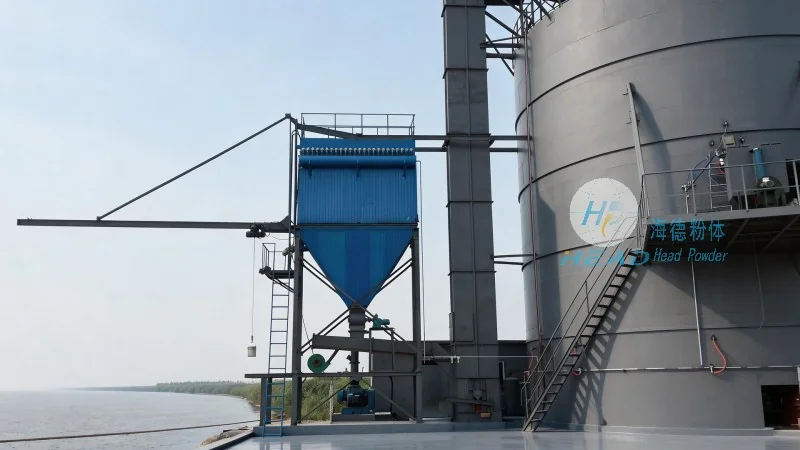
The core structure of a rare earth pneumatic conveying system typically includes several critical components that work in tandem to ensure effective material transport. The primary elements are the hopper or feeder, which serves as the material storage and feeding unit; the conveying line, which can be either a flexible hose or a rigid pipe, depending on the system design; the air mover, such as a rotary lobe blower or a positive displacement blower, which generates the necessary airflow to transport the material; and the receiver or discharge hopper, where the material is deposited after being conveyed. Each component plays a vital role in maintaining the system's efficiency and safety.
Working Principles of Pneumatic Conveying
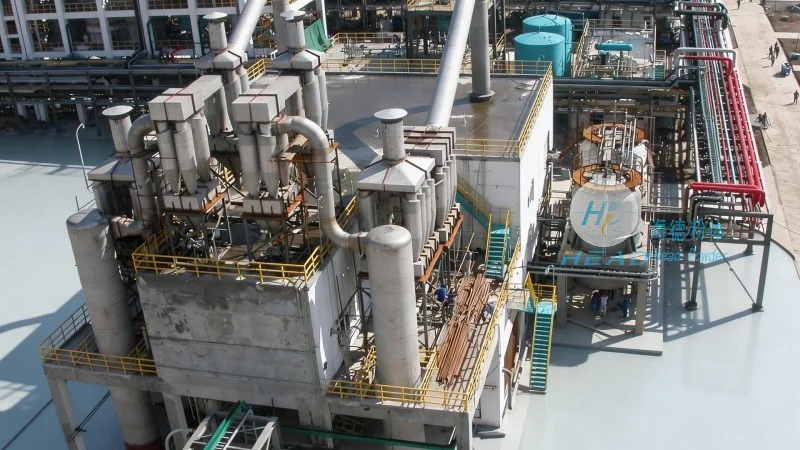
The operation of a rare earth pneumatic conveying system relies on the principle of using compressed air to move particulate materials through a pipeline. When the air mover operates, it creates a pressure differential between the inlet and outlet of the conveying line. The material is introduced into the system, often via a hopper with a feeder, and is then entrained by the moving air stream. As the air flows through the pipeline, it carries the rare earth particles along, ensuring that the material is transported from the source to the destination without the need for mechanical components like belts or buckets. This method not only reduces wear and tear on equipment but also minimizes the risk of material contamination, which is crucial for rare earth materials used in precision applications.
Advantages of Using Pneumatic Conveying for Rare Earth Materials
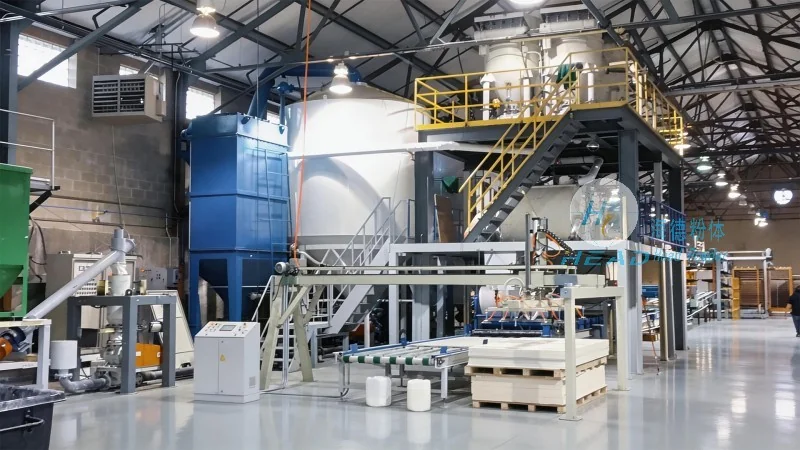
Compared to traditional mechanical conveying methods, pneumatic conveying offers several advantages when handling rare earth materials. Firstly, it provides a closed system, which helps prevent dust emissions and contamination, ensuring compliance with environmental regulations and maintaining material purity. Secondly, the system can handle a wide range of particle sizes and densities, making it versatile for various rare earth compounds. Thirdly, the absence of moving parts in the conveying line reduces maintenance requirements and operational downtime. Additionally, pneumatic conveying systems can be easily integrated with other processing equipment, such as classifiers or crushers, to form a comprehensive material handling solution. These benefits make pneumatic conveying an ideal choice for industries dealing with rare earth materials, where efficiency, safety, and product quality are paramount.
Applications in Rare Earth Processing
Rare earth pneumatic conveying equipment is widely used in the processing and handling of rare earth ores and compounds. In mining operations, the equipment is employed to transport raw rare earth ores from storage areas to processing plants. During the processing stage, it is used to move intermediate products, such as concentrated rare earth oxides, between different stages of the production line. The system's ability to handle fine powders and maintain material integrity makes it suitable for applications like the production of rare earth magnets, where the quality of the material is critical. Furthermore, the closed-loop design of the system helps in controlling dust and preventing environmental pollution, which is essential in modern industrial operations.
Conclusion
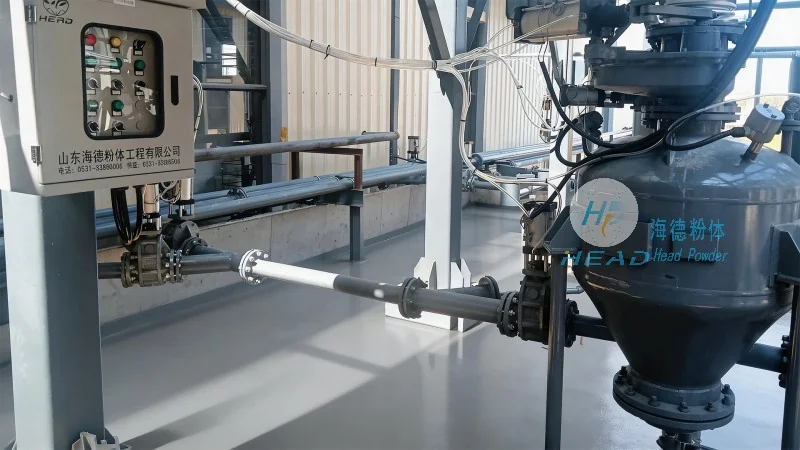
HeadPowder Engineering Co., Ltd., with its headquarters in Shandong, China, is committed to providing high-quality pneumatic conveying solutions for the rare earth industry. By understanding the structure and working principles of these systems, users can make informed decisions about implementing efficient material handling processes. The combination of advanced engineering and reliable components ensures that rare earth pneumatic conveying equipment operates effectively, safely, and with minimal maintenance, supporting the growth and sustainability of industries that rely on rare earth materials.




