Wheat flour material handling systems are critical components in the flour milling industry, designed to efficiently transport and manage wheat flour from processing stages to storage or packaging. These systems are engineered to ensure smooth, consistent operation, minimizing material loss and optimizing workflow. The equipment, developed by Shandong HeadPowder Engineering Co., Ltd. (commonly known as HeadPowder), incorporates advanced technology to meet the demands of modern flour production facilities.
Key Components of the Material Handling System
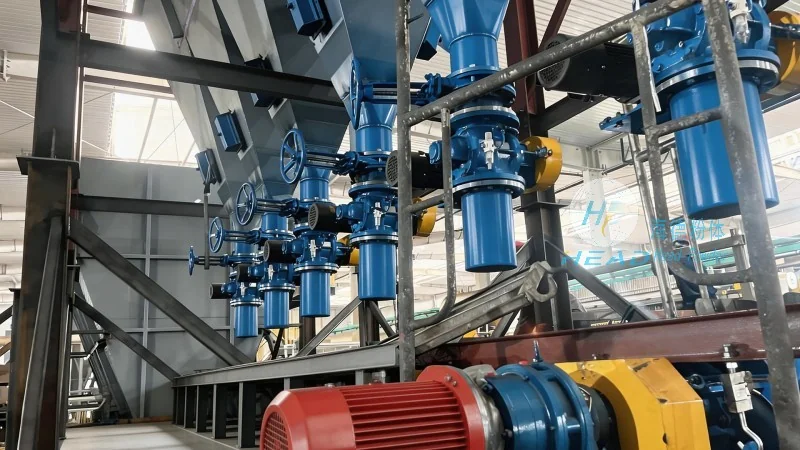
The wheat flour material handling system typically consists of several interconnected components, each playing a vital role in the overall operation. These include feeders, conveyors, storage silos, and control panels. Feeders are responsible for evenly distributing the wheat flour from the milling process to the conveyor system. The conveyors, often equipped with adjustable speed and direction controls, transport the flour through the system with precision. Storage silos provide temporary storage, allowing for buffer capacity to accommodate fluctuations in production or demand. The control panels, integrated with sensors and monitoring systems, enable real-time management of the entire process.
Working Principle of the System
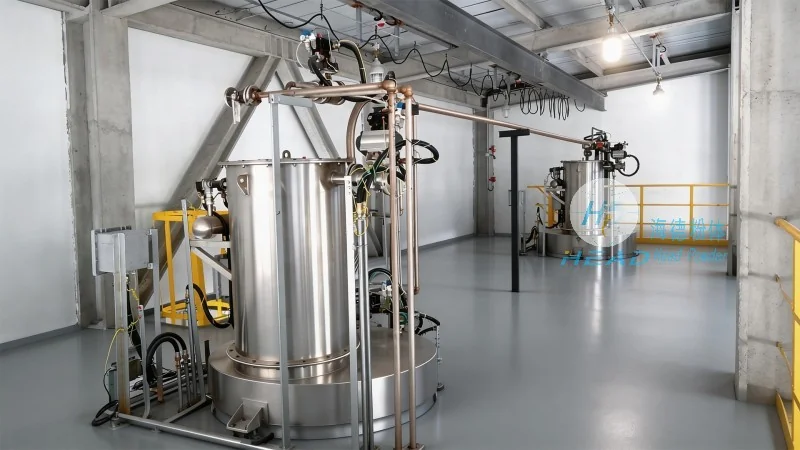
The working principle of the wheat flour material handling system is based on a combination of mechanical and electrical controls. The system operates by receiving raw wheat flour from the milling equipment, which is then transferred to the feeders. The feeders, typically equipped with variable speed drives, regulate the flow rate, ensuring a consistent supply to the conveyor system. The conveyors, often belt or screw type, move the flour through the system with precision. For fine powders like wheat flour, pneumatic systems are commonly used, as they utilize air pressure to transport the material through pipelines. The storage silos are connected to the conveyors, allowing for the accumulation of flour until it is ready for further processing or packaging. The control panels, integrated with sensors and monitoring systems, enable real-time management of the entire process. These sensors detect parameters such as flow rate, pressure, and temperature, providing feedback to the control system. The control system then adjusts the feeder speed or conveyor speed to maintain optimal conditions. This closed-loop control system ensures that the system operates efficiently and safely, preventing issues such as clogging or overfilling. The system also includes safety features, such as emergency stop buttons and overload protection, to ensure the safety of operators and the equipment.
Operation Process Flow
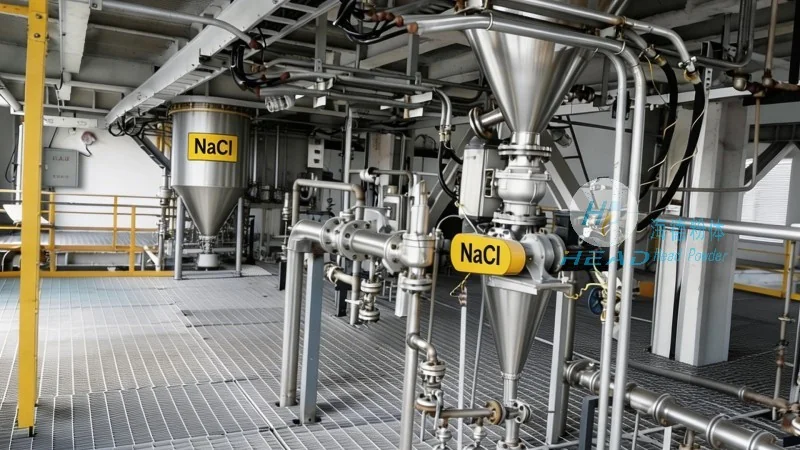
The operation process of the wheat flour material handling system follows a sequential flow that begins with the initial receipt of flour from the milling stage. First, the flour is delivered to the feeders, which distribute it evenly. The feeders then transfer the flour to the conveyor system, which transports it to the storage silos. The storage silos hold the flour until it is required for downstream processes, such as packaging or further processing. The control system continuously monitors the flow and storage levels, adjusting the conveyor speed or feeder output to maintain optimal conditions. If the storage silos reach a certain level, the system may pause or reduce the input to prevent overfilling. Conversely, if the silos are low, the system increases the flow rate to replenish the stock. This dynamic adjustment ensures that the system operates efficiently and safely, minimizing downtime and maximizing productivity.
Advantages and Benefits
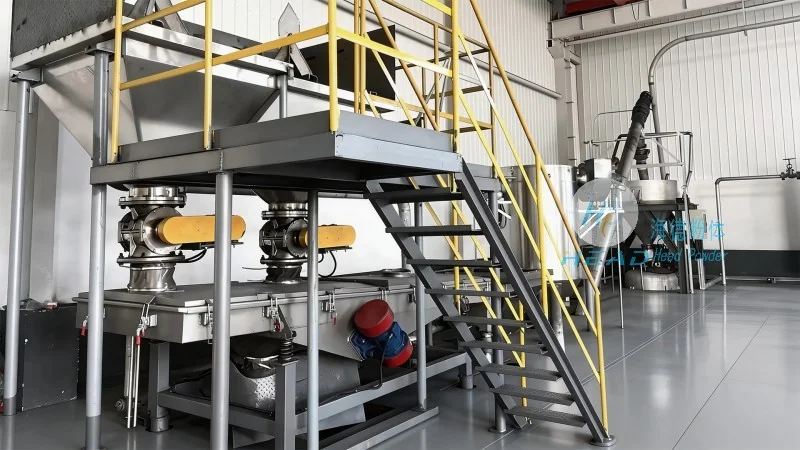
Implementing a wheat flour material handling system from Shandong HeadPowder Engineering Co., Ltd. offers several advantages for flour milling operations. The system enhances operational efficiency by automating the material transport process, reducing the need for manual handling and minimizing human error. The advanced control systems provide real-time monitoring and adjustment, ensuring consistent product quality and preventing material loss. The use of pneumatic conveyors, for example, reduces the risk of contamination and improves hygiene, which is crucial in food processing environments. Additionally, the system's modular design allows for easy expansion or modification to accommodate changes in production capacity or process requirements. The overall result is a more reliable, cost-effective, and sustainable operation for flour mills.




