Shandong HeadPowder Engineering Co., Ltd. specializes in the design, manufacturing, and integration of advanced automatic material handling systems. These systems are engineered to streamline material movement within industrial and manufacturing environments, enhancing efficiency, reducing labor costs, and improving overall operational reliability. The following content outlines the operation process and working principles of such equipment, providing a comprehensive understanding of how these systems function to meet diverse industrial needs.
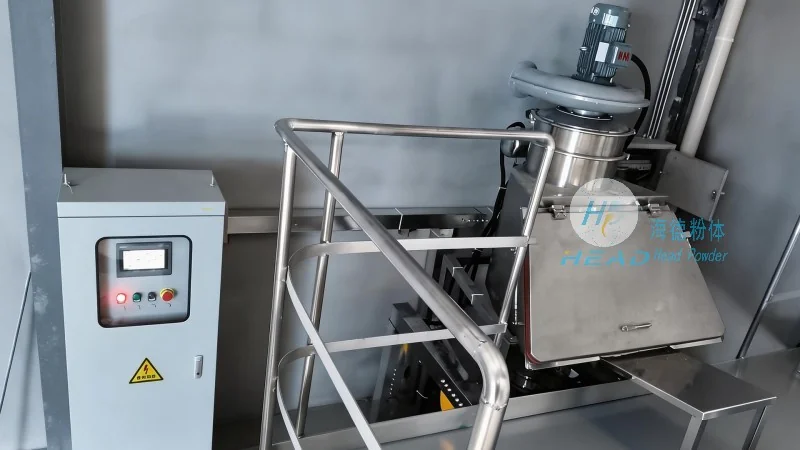
Key Components of the Automatic Material Handling System
The automatic material handling system typically consists of several core components that work in concert to achieve seamless material transport. These components include conveyors, automated guided vehicles (AGVs), robotic arms, sensors, and a central control system. Each component plays a crucial role in the system's operation, ensuring precise and efficient material movement. For instance, conveyors may be used for horizontal or vertical transport, while AGVs navigate the facility to deliver materials to specific locations. Robotic arms are often integrated for tasks requiring precision, such as loading or unloading items from the conveyor system. Sensors are strategically placed throughout the system to detect the position and status of materials, providing real-time data to the control system. The central control system, often based on programmable logic controllers (PLCs) or industrial computers, coordinates all these components, ensuring smooth and synchronized operation.
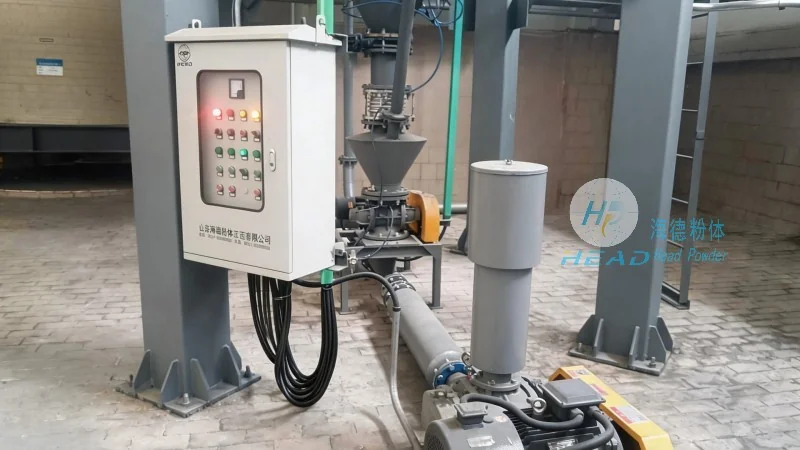
Operation Process of the Automatic Material Handling Equipment
The operation process of the automatic material handling equipment begins with the initial input of materials into the system. Materials are typically fed into the system via a loading station, where they are identified and logged by the control system. Once logged, the materials are directed to the appropriate conveyor or AGV route based on their destination. The control system uses predefined pathways and scheduling algorithms to optimize material flow, minimizing delays and maximizing throughput. As materials move through the system, sensors continuously monitor their position and status, providing feedback to the control system. This feedback allows the system to adjust routes or speeds as needed, ensuring that materials reach their destinations on time. At the destination, materials are either unloaded by robotic arms or transferred to another conveyor system for further processing. The entire process is automated, with minimal human intervention required, except for system maintenance and oversight.
Working Principle of the Automatic Material Handling Equipment
The working principle of the automatic material handling equipment is based on a combination of mechanical, electrical, and software components working together to achieve intelligent material transport. The mechanical components, such as conveyors and AGVs, provide the physical movement of materials. Electrical components, including motors, sensors, and control devices, enable precise control over the movement and operation of these mechanical parts. The software component, often a custom control program or a PLC-based system, manages the logic and sequencing of operations. This software interprets input from sensors and user commands, then sends appropriate signals to the electrical components to execute the required actions. For example, when a material is detected by a sensor, the software may instruct an AGV to pick up the material and transport it to a specified location. The system also incorporates safety features, such as emergency stop buttons and collision detection sensors, to prevent accidents and ensure operator safety. Overall, the working principle emphasizes automation, precision, and adaptability, allowing the system to handle a wide range of materials and tasks efficiently.
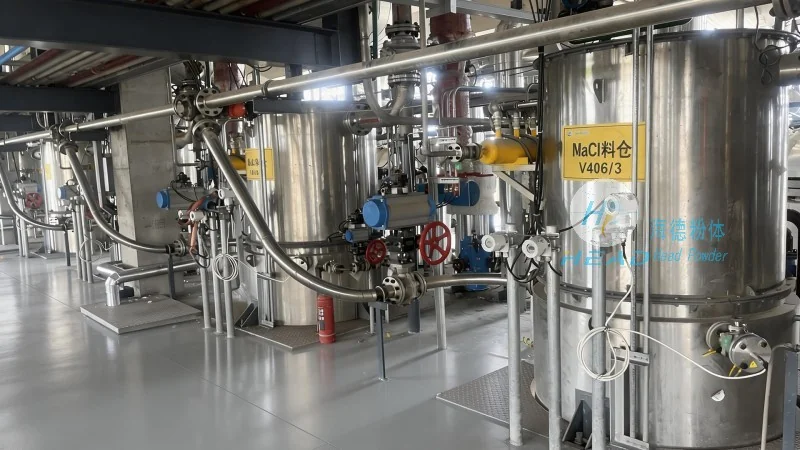
Applications and Benefits of the Automatic Material Handling System
The automatic material handling system is widely used in various industries, including manufacturing, logistics, and warehousing. Its applications range from simple material transport between workstations to complex automated assembly lines. The primary benefits of implementing such a system include increased productivity, reduced labor costs, improved safety, and enhanced accuracy. By automating material movement, companies can reduce the time and resources required for manual handling, allowing workers to focus on more value-added tasks. The system also minimizes the risk of human error, as materials are transported with precision and consistency. Additionally, the integration of sensors and control systems enables real-time monitoring and data collection, which can be used to optimize processes and improve overall operational efficiency. In summary, the automatic material handling system is a critical component in modern industrial operations, providing a reliable and efficient solution for material transport needs.




