HeadPowder, a leading engineering company based in Shandong, China, specializes in the design, manufacturing, and installation of advanced material conveying systems tailored for polyester fiber applications. The operation of a polyester fiber material conveying line involves a systematic sequence of steps that ensure efficient material handling, processing, and transport within industrial settings. This article provides a detailed overview of the operation process and working principles of such systems, highlighting key components, operational workflows, and the technical aspects that contribute to their effectiveness.
Company Profile and Expertise
HeadPowder Engineering Co., Ltd. is a reputable enterprise dedicated to providing high-quality engineering solutions for material handling in various industrial sectors. With a strong presence in Shandong, China, the company leverages years of experience and technical expertise to develop customized conveying systems that meet the specific requirements of polyester fiber processing. The company's commitment to precision, reliability, and efficiency is reflected in the design and implementation of its material conveying lines, which are engineered to handle the unique characteristics of polyester fibers, such as their lightweight nature, flexibility, and potential for static electricity.
Components and Structure of Polyester Fiber Conveying Lines
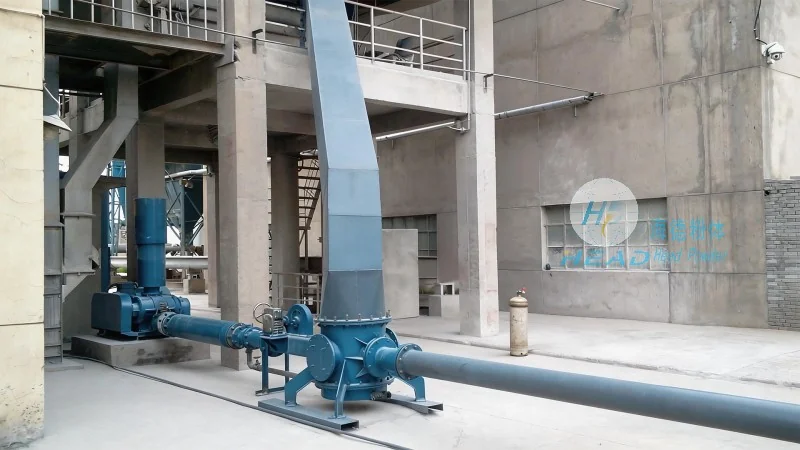
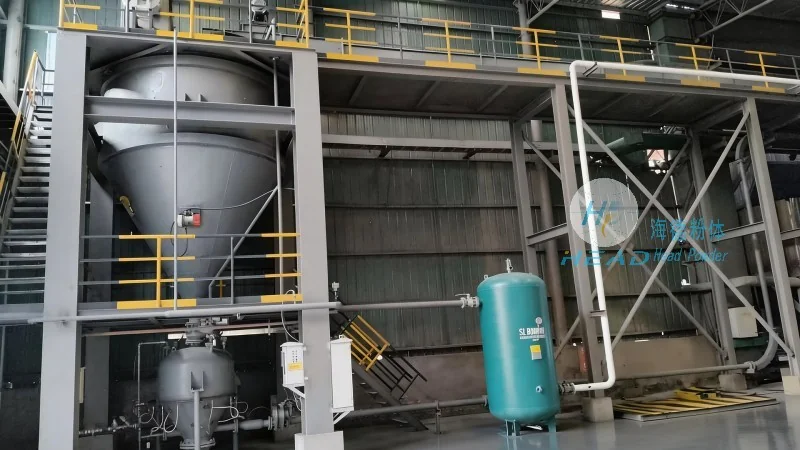
A typical polyester fiber material conveying line consists of several key components that work in tandem to ensure smooth operation. These components include feeders, hoppers, conveyors (such as belt conveyors, screw conveyors, or pneumatic conveying systems), control panels, and discharge mechanisms. The feeders are responsible for uniformly distributing the polyester fibers into the conveying system, while hoppers store the material before it is fed into the conveyor. Conveyors transport the fibers through the system, often using mechanical or pneumatic forces to move the material from one location to another. Control panels monitor and regulate the operation of the system, ensuring that the flow rate, speed, and direction of the fibers are maintained at optimal levels. Discharge mechanisms then deliver the processed fibers to the next stage of the production process or to storage areas.
Operation Process: Step-by-Step Overview
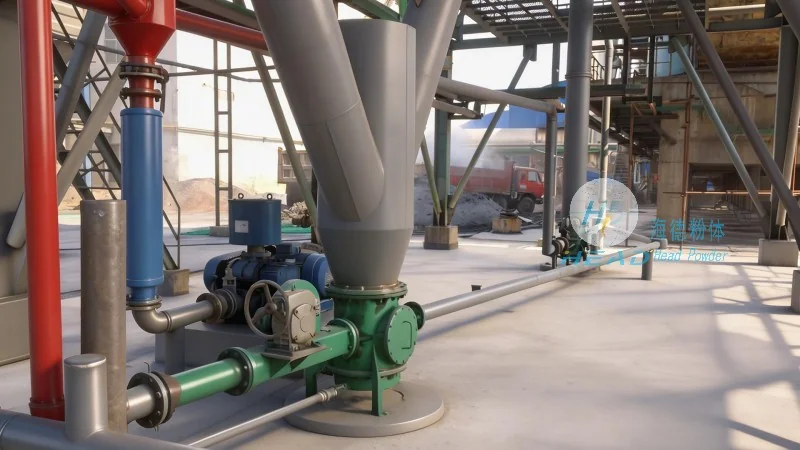
The operation of a polyester fiber material conveying line begins with the loading of polyester fibers into the hopper. The feeder then activates, distributing the fibers evenly into the conveyor. Depending on the type of conveyor system used, the fibers may be transported via a belt, screw, or pneumatic method. For example, a belt conveyor uses a rotating belt to move the fibers along a fixed path, while a screw conveyor utilizes a rotating screw to push the material forward. Pneumatic conveying systems, on the other hand, use compressed air to transport the fibers through a pipeline. Once the fibers reach the discharge point, they are collected and prepared for further processing or packaging. The entire process is controlled by the system's control panel, which adjusts parameters such as speed, pressure, and flow rate to maintain consistent performance.
Working Principles: Mechanical and Control Systems
The working principles of polyester fiber material conveying lines are based on mechanical and control systems that ensure efficient material transport. Mechanical components, such as motors, gears, and belts, provide the necessary power to drive the conveyor system. The control system, which may include sensors, controllers, and software, monitors the operation of the system and adjusts parameters in real-time to optimize performance. For instance, sensors can detect the level of material in the hopper and adjust the feeder speed accordingly to prevent overfilling or underfilling. Similarly, pressure sensors in pneumatic systems can regulate the air pressure to maintain consistent flow rates. The integration of these mechanical and control systems allows the conveying line to operate smoothly and reliably, minimizing downtime and maximizing productivity.
Key Features and Benefits of Polyester Fiber Conveying Lines
Polyester fiber material conveying lines offer several key features and benefits that make them ideal for industrial applications. These include high efficiency in material handling, low maintenance requirements, and the ability to handle a wide range of polyester fiber types and sizes. The systems are designed to minimize material loss and contamination, ensuring that the fibers remain clean and free from debris. Additionally, the conveying lines can be customized to fit specific production requirements, allowing for flexibility in processing different polyester fiber products. The use of advanced materials and engineering techniques in the construction of these systems enhances their durability and longevity, reducing the need for frequent repairs or replacements.
Application Examples and Industry Use Cases
Polyester fiber material conveying lines are widely used in various industries, including textile manufacturing, fiber production, and recycling. In textile manufacturing, these systems are used to transport polyester fibers from storage to processing machines, such as spinning or weaving equipment. In fiber production, the conveying lines help in moving raw polyester fibers from the extrusion process to the next stage of processing, such as drawing or cutting. In recycling applications, the systems are used to convey recycled polyester fibers from collection sites to processing facilities, where they are cleaned and prepared for reuse. The versatility of polyester fiber material conveying lines makes them suitable for a wide range of industrial applications, contributing to improved efficiency and productivity in material handling processes.




