Coking powder material conveying lines are critical components in industrial settings, particularly in the coking and chemical processing sectors. These systems are designed to efficiently transport coking powder, a fine particulate material, from one location to another with precision and reliability. The effectiveness of such conveying lines directly impacts production efficiency, material handling costs, and overall operational safety. HeadPowder, a leading manufacturer of industrial conveying systems, specializes in designing and manufacturing high-quality coking powder material conveying lines that meet the demands of modern industrial applications. With a focus on innovation and reliability, HeadPowder's solutions are tailored to enhance operational efficiency and safety in coking and related industries.
Key Components of the Conveying Line
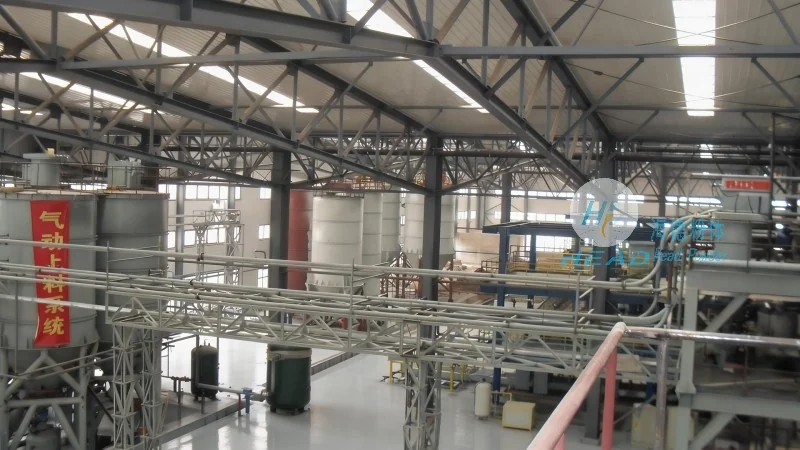
The coking powder material conveying line typically consists of several essential components that work in tandem to ensure smooth material transport. These components include the hopper for material storage, the conveyor system (such as screw conveyors or pneumatic conveyors), control valves, and a discharge mechanism. The hopper is designed to hold a sufficient quantity of coking powder, ensuring a steady supply to the conveyor. The conveyor system is the core of the line, responsible for moving the material through the system. Control valves are used to regulate the flow rate and direction of the material, preventing overloading or blockages. The discharge mechanism allows the material to be released at the desired destination, such as a storage silo or processing unit. Each component is engineered to withstand the abrasive nature of coking powder and maintain long-term performance.
Operation Process of the Conveying Line
The operation process of a coking powder material conveying line involves several sequential steps that ensure the material is transported safely and efficiently. The first step is material loading into the hopper. The hopper is filled with coking powder, which is then fed into the conveyor system. The conveyor system then transports the material through the line, using mechanical or pneumatic forces to move it. The material is then directed through control valves, which regulate the flow rate and prevent any blockages. The discharge mechanism then releases the material at the target location. Throughout the process, sensors and monitoring systems are used to track the material flow and detect any abnormalities, such as blockages or overflows. This ensures that the system operates within safe parameters and maintains optimal performance. The entire process is automated, allowing for consistent and reliable material transport without manual intervention.
Working Principle of the Conveying Line
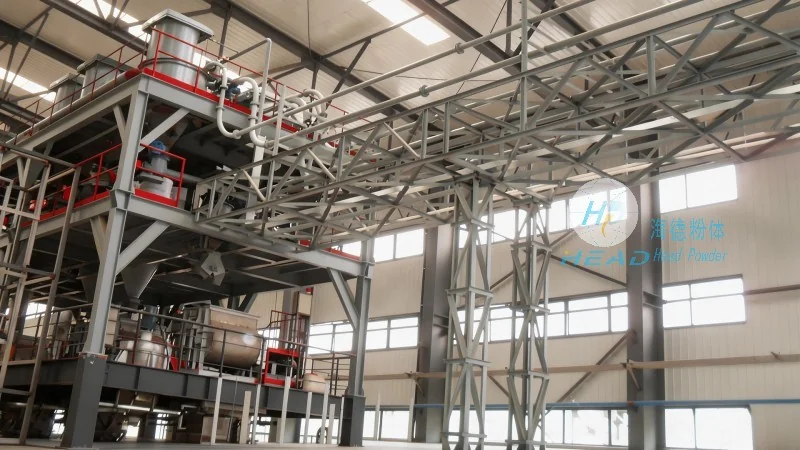
The working principle of a coking powder material conveying line is based on the principles of fluid dynamics and mechanical motion. The system uses a combination of gravity, pressure, and mechanical force to move the coking powder. In a screw conveyor system, for example, a rotating screw (or auger) pushes the material forward through the conveyor tube. The speed of the screw and the angle of the conveyor determine the flow rate and the distance the material is transported. The screw design is optimized to minimize friction and prevent material degradation. In a pneumatic conveying system, compressed air is used to create a pressure differential that moves the material through a pipeline. The air flow carries the coking powder particles, and the system is designed to maintain a consistent air pressure to ensure smooth transport. The control valves and sensors work together to regulate the pressure and flow, ensuring that the material is transported without any issues. The working principle is engineered to handle the fine particulate nature of coking powder, preventing dust accumulation and ensuring efficient transport.
Benefits and Applications of Coking Powder Material Conveying Lines
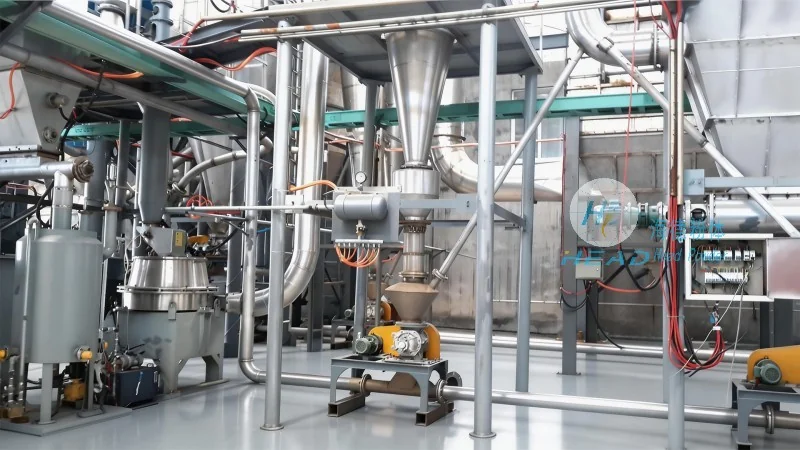
Coking powder material conveying lines offer several benefits in industrial applications. They provide a safe and efficient method for transporting fine particulate materials, reducing the risk of dust explosions and material loss. The systems are also designed to handle high volumes of material, making them suitable for large-scale production facilities. Additionally, the use of automated control systems allows for precise regulation of the material flow, improving overall production efficiency. These conveying lines are widely used in the coking industry, chemical processing plants, and other industrial settings where the transport of coking powder is required. They are particularly valuable in environments where manual handling is impractical or unsafe, such as in high-temperature or hazardous conditions.
Conclusion
In conclusion, coking powder material conveying lines are essential equipment in industrial operations, providing a reliable and efficient method for transporting coking powder. The operation process involves several steps, from material loading to discharge, and the working principle is based on mechanical and pneumatic forces. The key components, including the hopper, conveyor system, control valves, and discharge mechanism, work together to ensure smooth and safe material transport. The use of advanced monitoring and control systems further enhances the performance and safety of these lines. As industrial demands continue to grow, the importance of efficient material handling systems like coking powder material conveying lines will only increase, making them a critical component in modern industrial operations. HeadPowder remains committed to delivering high-quality conveying solutions that meet the evolving needs of the coking and chemical processing industries.




