For industrial applications that require the efficient and safe transportation of dry powders, specialized conveying systems are essential. These systems, commonly known as dry powder material conveying lines, are designed to handle a wide range of materials, from fine powders to bulkier granules, while maintaining consistent flow and minimizing material degradation. The operation and working principles of such lines are critical for optimizing performance, ensuring product quality, and enhancing operational efficiency in various industries, including pharmaceuticals, food processing, and chemical manufacturing. Shandong HeadPowder Engineering Co., Ltd., a leading provider of dry powder conveying solutions, specializes in designing and manufacturing these systems to meet the unique needs of different industries.
Key Components of a Dry Powder Conveying System
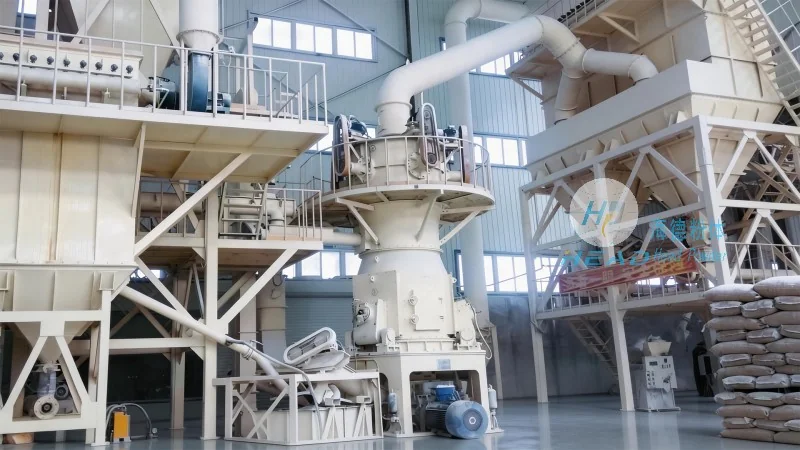
A typical dry powder material conveying line consists of several key components that work in tandem to achieve effective material transport. These components include the material feed hopper, which holds the bulk material and regulates the flow rate; the conveyor itself, which may be a pneumatic system (using air pressure) or a mechanical system (such as a screw or belt conveyor); and the control system, which monitors and adjusts the conveying process. The feed hopper is often equipped with a rotary valve or a gate to control the discharge of material into the conveyor. The conveyor system then transports the material through a pipeline to the discharge point, where it is collected in a storage tank or directly fed into the next processing stage.
Working Principle of Pneumatic Conveying Systems
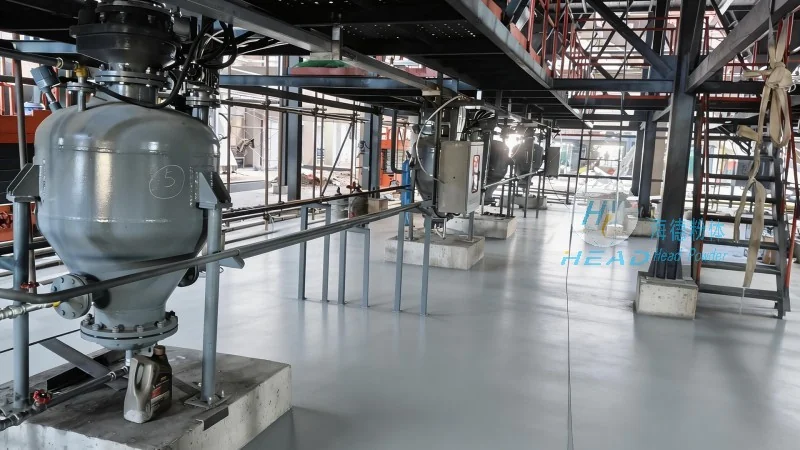
One of the most common types of dry powder conveying systems is the pneumatic conveying system, which uses compressed air to move material through a pipeline. In this system, the material is fed into a hopper and then introduced into the pipeline through a venturi or a rotary airlock. The compressed air creates a low-pressure zone in the pipeline, which draws the material along with the air stream. The air and material mixture travels through the pipeline, and at the discharge point, the air is separated from the material using a cyclone separator or a filter. The separated material is then collected, while the air is either recirculated or vented to the atmosphere. Pneumatic systems are particularly effective for transporting fine powders and can handle long distances and multiple transfer points.
Working Principle of Mechanical Conveying Systems
Another type of dry powder conveying system is the mechanical system, which uses mechanical forces to move material. The most common mechanical conveyor for powders is the screw conveyor, which consists of a rotating screw inside a tube. The screw rotates, pushing the material forward along the tube. Screw conveyors are suitable for transporting bulkier materials and can handle a wide range of particle sizes. They are also relatively simple in design and easy to maintain. Another mechanical option is the belt conveyor, which uses a moving belt to transport material. This type of system is often used for horizontal or slightly inclined transport and is suitable for larger particles.
Operation Process of a Dry Powder Conveying Line
The operation process of a dry powder material conveying line typically involves several steps. First, the material is loaded into the feed hopper. The hopper is then filled to a certain level, and the rotary valve or gate is opened to allow material to flow into the conveyor. The control system monitors the flow rate and adjusts the air pressure or screw speed as needed to maintain a consistent flow. The material is then conveyed through the pipeline to the discharge point. At the discharge point, the material is collected and stored, or it is fed into the next processing stage. The system also includes safety features, such as pressure relief valves and emergency shut-off switches, to prevent over-pressurization and ensure safe operation.
Benefits of Using Dry Powder Conveying Lines
Implementing a dry powder material conveying line offers several benefits for industrial operations. First, it improves material handling efficiency by reducing labor costs and minimizing material waste. The automated system can transport large quantities of material over long distances with minimal human intervention. Second, it enhances product quality by preventing material contamination and degradation. The enclosed system keeps the material clean and free from moisture or other contaminants, which is critical for industries such as pharmaceuticals and food processing. Third, it increases operational safety by reducing the risk of dust explosions and material spills. The enclosed design and safety features of the system minimize the exposure of workers to hazardous materials and prevent accidents.
Applications of Dry Powder Conveying Lines
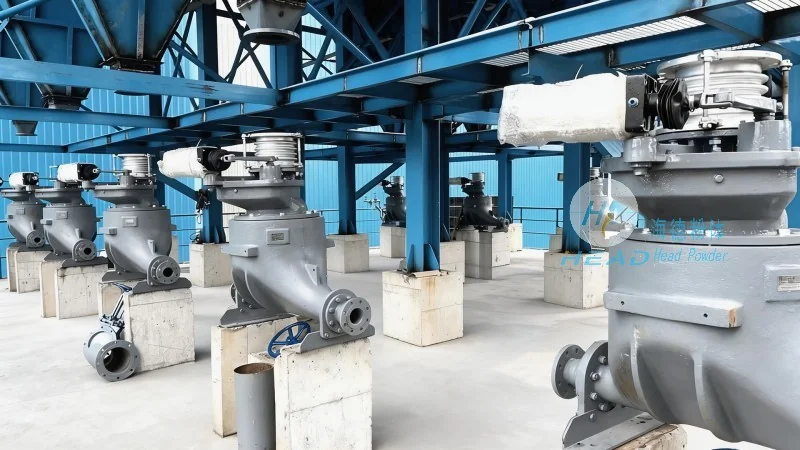
Dry powder material conveying lines are used in a wide range of industrial applications. In the pharmaceutical industry, these systems are used to transport active pharmaceutical ingredients (APIs) and excipients to manufacturing lines. The enclosed and controlled environment ensures that the materials are handled safely and in compliance with regulatory standards. In the food processing industry, these systems are used to transport ingredients such as flour, sugar, and spices. The systems are designed to meet food safety regulations and prevent cross-contamination. In the chemical industry, these systems are used to transport chemicals and reagents. The systems are equipped with corrosion-resistant materials to handle harsh chemicals and prevent leaks.
Conclusion
Understanding the operation process and working principles of dry powder material conveying lines is essential for optimizing industrial material handling operations. By selecting the appropriate system (pneumatic or mechanical) and properly configuring the components, industries can achieve efficient, safe, and cost-effective material transport. The benefits of these systems, including improved efficiency, product quality, and safety, make them a valuable investment for any operation that handles dry powders. As technology continues to advance, dry powder conveying systems are becoming more sophisticated, with features such as automated control and real-time monitoring, further enhancing their performance and reliability.




