Shandong HeadPowder Engineering Co., Ltd., commonly known as headpowder, is a leading manufacturer and supplier of specialized material handling solutions in China. With a strong presence in the industry, the company has established itself as a trusted partner for businesses requiring reliable and efficient systems for handling barite and other bulk materials. Headquartered in Shandong, China, the company leverages advanced technology and expertise to deliver high-quality equipment tailored to the unique needs of its clients.
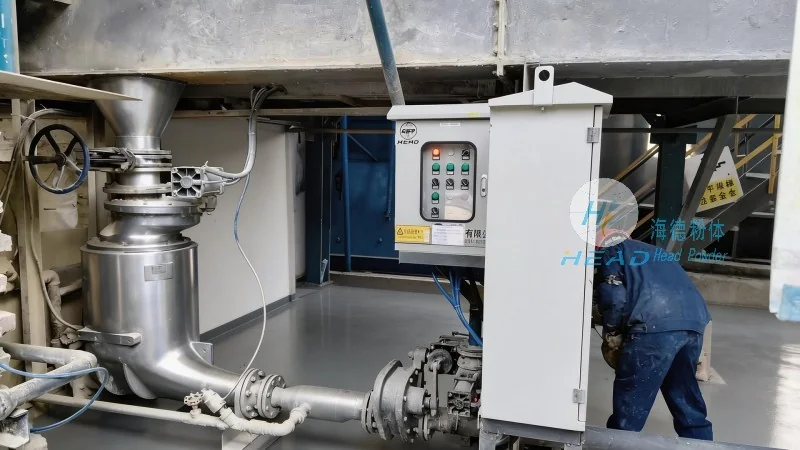
Barite Material Handling Systems: An Overview
Barite, a mineral composed primarily of barium sulfate (BaSO₄), is widely used in various industrial applications, including oil drilling, medical imaging, and as a weighting agent in the chemical industry. The efficient handling of barite is crucial for optimizing production processes and ensuring consistent quality. Barite material handling systems are designed to streamline the entire workflow from raw material reception to final discharge, minimizing downtime and maximizing operational efficiency.
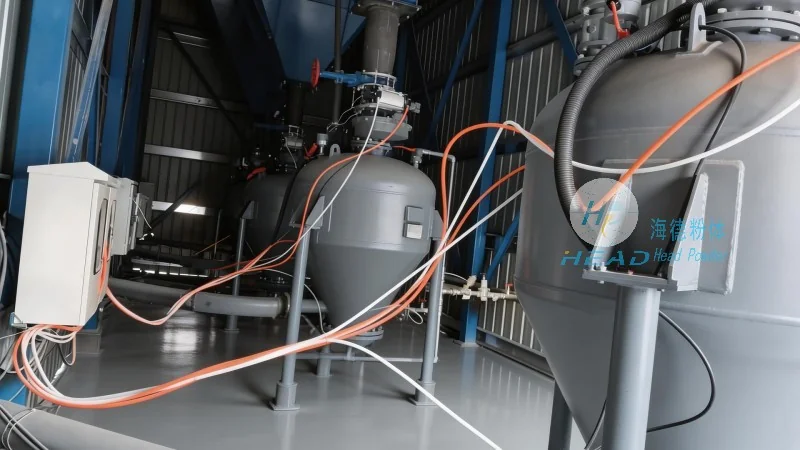
Key Components of Barite Material Handling Systems
At the core of any barite material handling system are several key components that work in tandem to ensure smooth operation. These include bulk material feeders, conveyor systems (such as belt conveyors or screw conveyors), storage silos or hoppers, and control panels. Each component is engineered to handle the specific characteristics of barite, such as its density, particle size, and flowability. The feeders are responsible for evenly distributing the material into the conveyor, while the conveyor transports it to the storage or processing area. Storage silos provide a buffer to regulate the flow of material and prevent overloading of downstream equipment. Control panels, equipped with sensors and automation systems, monitor and adjust the operation of the entire system in real-time, ensuring optimal performance.
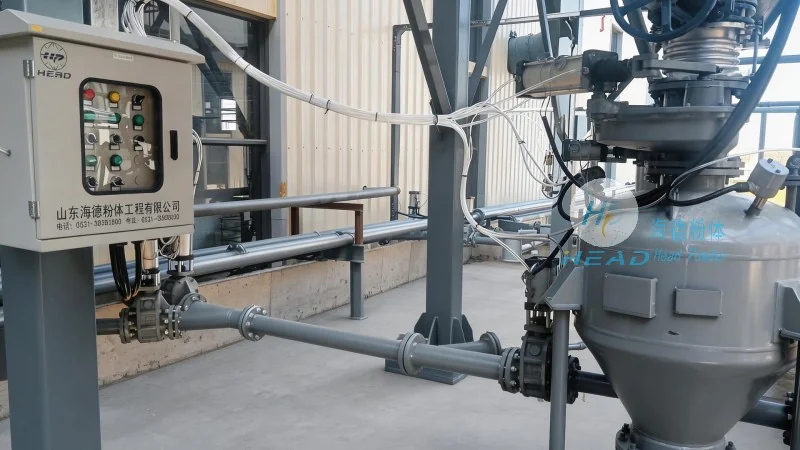
Operation Process of Barite Material Handling Systems
The operation of a barite material handling system typically follows a sequential process that begins with the reception of raw barite at the facility. The first step involves unloading the barite from delivery trucks or railcars into a receiving hopper. From there, the material is transferred to a storage silo through a series of conveyors and feeders. The storage silo acts as a buffer, allowing for continuous operation even when downstream processes are temporarily paused. When the processing equipment requires material, the control system activates the conveyor system to release the barite from the silo to the processing line. The material is then transported to the final discharge point, such as a mixer or a packaging unit, where it is further processed or prepared for shipment. Throughout the process, sensors monitor the level of material in the silos and the speed of the conveyors, providing feedback to the control system to maintain consistent flow rates.
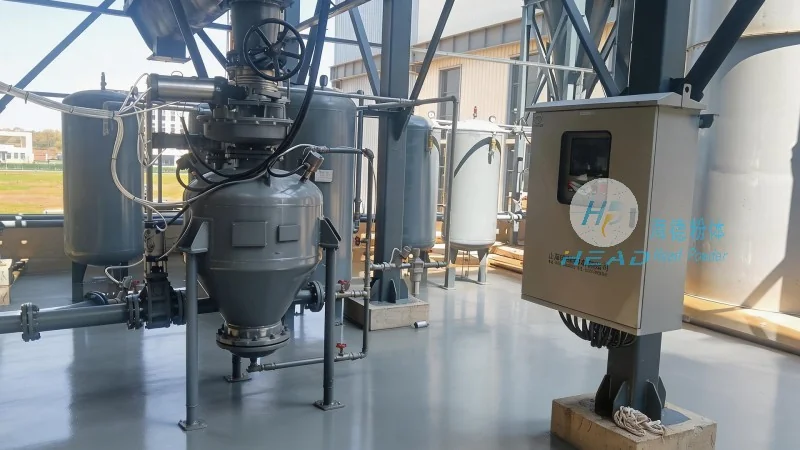
Working Principle of Barite Material Handling Systems
The working principle of barite material handling systems is based on mechanical and hydraulic systems that work together to move and control the bulk material. The primary mechanism involves the use of conveyors, which use friction or gravity to transport the material. Belt conveyors, for example, consist of a continuous belt that moves over rollers, carrying the barite from one point to another. The speed of the belt is controlled by a motor, which adjusts the flow rate of the material. Screw conveyors, on the other hand, use a rotating screw to push the material forward, making them suitable for handling materials with higher moisture content or those that tend to stick to the walls of the conveyor. The control system, often integrated with sensors and programmable logic controllers (PLCs), manages the operation of these components by receiving input from the sensors and sending commands to the motors and valves. This closed-loop system ensures that the material is handled safely and efficiently, minimizing the risk of blockages or overloading.




