HeadPowder, a leading manufacturer based in Shandong, China, specializes in the design, development, and implementation of advanced vacuum material feeding and conveying systems. These systems are engineered to efficiently handle a wide range of bulk materials, ensuring smooth and reliable material transfer in industrial applications. This article provides a detailed overview of the operation process and working principles behind vacuum material feeding systems, highlighting the key components, operational mechanisms, and benefits of such technology.
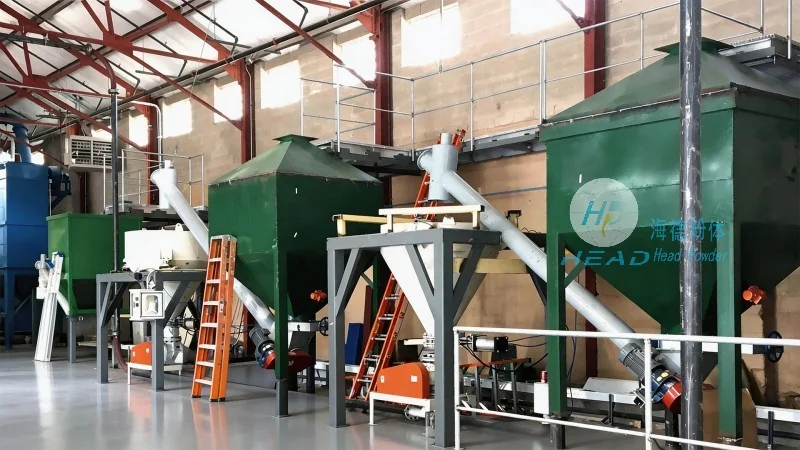
Understanding Vacuum Material Feeding Systems
Vacuum material feeding systems are sophisticated industrial solutions that utilize vacuum pressure to draw bulk materials from a source, such as a hopper or storage bin, and transport them to a processing or packaging unit. The core of these systems lies in the ability to create a controlled vacuum environment, which enables the material to be conveyed through a pipeline or duct without the need for mechanical agitation or external power sources beyond the vacuum pump. This approach not only minimizes material degradation but also ensures a consistent flow rate, making it ideal for delicate or sensitive materials like powders, granules, and fine particles.
Key Components of Vacuum Material Feeding Systems
The effectiveness of a vacuum material feeding system depends on several critical components that work in tandem to achieve efficient material transfer. The primary components include a vacuum pump, a material hopper or feeder, a conveying duct or pipeline, and a control system. The vacuum pump is responsible for generating the necessary suction force to draw material from the source. The material hopper or feeder holds the bulk material and may include features like a level sensor or a discharge valve to regulate the flow. The conveying duct or pipeline transports the material from the hopper to the destination, often with internal baffles or liners to prevent material buildup and ensure smooth flow. The control system monitors and adjusts the vacuum pressure and flow rate to maintain optimal performance and prevent system overload.
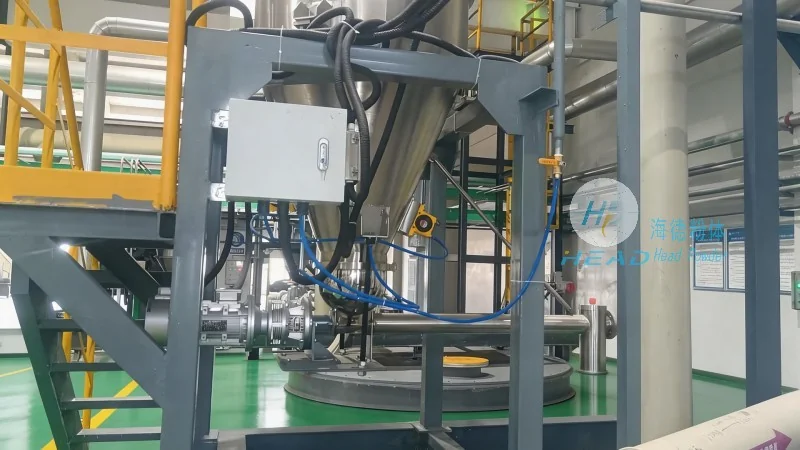
The Operation Process of Vacuum Material Feeding
The operation process of a vacuum material feeding system typically involves several sequential steps. First, the system is activated, and the vacuum pump begins to create a vacuum in the conveying duct. This vacuum is maintained at a specific pressure level, which is determined by the material's properties and the system's design. As the vacuum is established, the material in the hopper is drawn into the duct due to the pressure differential between the hopper and the vacuum system. The material then travels through the duct, guided by internal features such as baffles or spiral liners, to the discharge point. At the discharge end, the material is released into the processing unit, such as a mixer, blender, or packaging machine. The system may include a filter or separator to remove any contaminants from the material before it reaches the processing stage, ensuring product purity and quality.
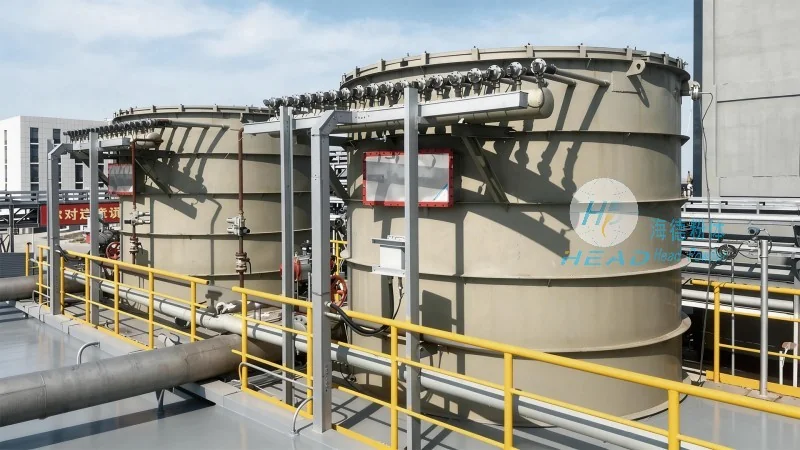
Working Principles of Vacuum Material Feeding Systems
The working principle of vacuum material feeding systems is based on the fundamental concept of pressure differential. By creating a lower pressure (vacuum) in the conveying duct compared to the atmospheric pressure in the material hopper, the system generates a suction force that pulls the material from the hopper into the duct. This principle is similar to how a vacuum cleaner works, but on a larger scale and with more precise control. The vacuum pump continuously maintains the vacuum level, ensuring a steady flow of material. The system's design, including the size of the duct, the speed of the vacuum pump, and the material's characteristics, all contribute to the overall efficiency and performance of the operation. For example, the choice of duct material and internal design can significantly impact the material's flow rate and prevent clogging, which is crucial for maintaining consistent production rates.
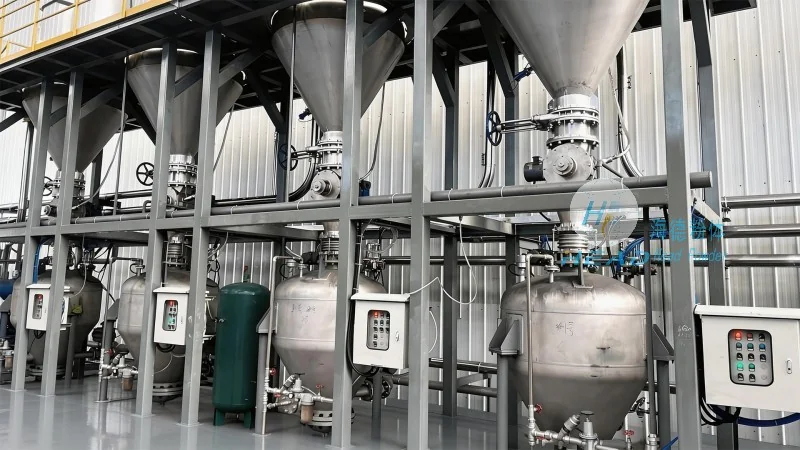
Benefits and Applications of Vacuum Material Feeding Systems
Vacuum material feeding systems offer numerous advantages over traditional mechanical conveying methods. One of the key benefits is the ability to handle delicate or sensitive materials without causing degradation, such as crushing or agglomerating. This is particularly important for pharmaceuticals, food products, and other materials that require high purity and quality. Additionally, vacuum systems are energy-efficient, as they use less power compared to pneumatic or mechanical systems, leading to lower operational costs. The systems also provide a clean and hygienic environment, which is essential for industries like food and pharmaceuticals where contamination control is critical. Furthermore, vacuum feeding systems are versatile and can handle a wide range of materials, from fine powders to granules, making them suitable for various industrial applications, including chemical processing, pharmaceutical manufacturing, food processing, and packaging.
Conclusion and Company Overview
HeadPowder Engineering Co., Ltd., based in Shandong, China, is a trusted provider of vacuum material feeding and conveying systems. With years of experience and expertise in industrial material handling, the company offers customized solutions tailored to the specific needs of its clients. By leveraging advanced technology and rigorous engineering, HeadPowder ensures that its systems deliver reliable performance, high efficiency, and long-term durability. Whether for small-scale or large-scale industrial applications, the company's vacuum material feeding systems are designed to meet the highest standards of quality and performance, helping businesses achieve optimal material transfer and operational efficiency.




