PP pellet pneumatic conveying systems are critical components in material handling and processing industries, designed to efficiently transport polypropylene (PP) pellets from one location to another using air as the conveying medium. This technology offers a dust-free, low-maintenance, and flexible solution for moving bulk materials like PP pellets, which are widely used in manufacturing various plastic products. The operation process and working principle of such systems involve several key stages and mechanisms that ensure reliable and efficient material transport.
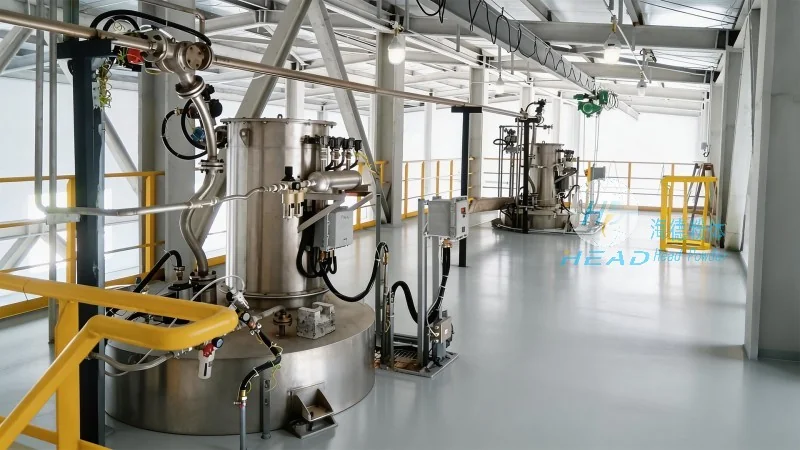
Company Introduction and Overview
HeadPowder, a leading manufacturer in the field of material handling equipment, specializes in the design, development, and production of advanced pneumatic conveying systems. With a strong focus on innovation and customer-centric solutions, HeadPowder has established itself as a trusted partner for industries requiring efficient and reliable PP pellet transportation solutions. The company is headquartered in Shandong, China, and leverages years of experience and technical expertise to deliver high-quality equipment tailored to meet diverse industrial needs.
Understanding Pneumatic Conveying Systems for PP Pellets
Pneumatic conveying systems for PP pellets operate by utilizing air pressure to move the material through a pipeline network. The system typically consists of several key components, including a hopper for material storage, a feeder to control the flow rate, a conveying line, and a receiver for the discharged material. The process begins with the PP pellets being loaded into the hopper, where they are then fed into the conveying line under controlled conditions. The air, often supplied by a blower or compressor, creates a flow that propels the pellets through the pipeline, ensuring smooth and continuous transport.
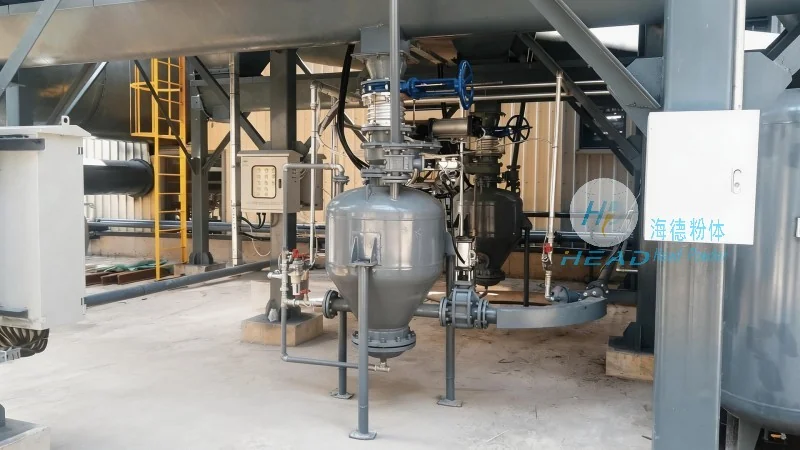
The Operation Process of PP Pellet Pneumatic Conveying Systems
The operation process of a PP pellet pneumatic conveying system involves several sequential steps that ensure optimal performance and material handling efficiency. Initially, the system is prepared by loading the PP pellets into the storage hopper. The feeder mechanism then regulates the flow rate of pellets into the conveying line, preventing overloading and maintaining a consistent feed rate. The blower or compressor generates the necessary air pressure, which is introduced into the pipeline, creating a positive or negative pressure environment depending on the system design. As the air flows through the line, it entrains the PP pellets, forming a dense or dilute phase flow that moves the material from the inlet to the outlet. The receiver at the end of the line collects the conveyed pellets, completing the transport cycle. The system may also include additional components such as filters, cyclones, or silencers to manage air quality and noise levels, enhancing overall operational safety and efficiency.
Working Principle of PP Pellet Pneumatic Conveying Systems
The working principle of PP pellet pneumatic conveying systems is based on the fundamental physics of fluid dynamics and particle transport. The system relies on the interaction between the conveying air and the PP pellets to achieve material movement. In positive pressure systems, the blower supplies air under pressure, which pushes the pellets through the pipeline. The air velocity is carefully controlled to ensure that the pellets are entrained without causing excessive wear or degradation of the material. Negative pressure systems, on the other hand, use a vacuum to draw the pellets into the line, which is often more suitable for applications requiring dust control and environmental compliance. The design of the conveying line, including its diameter, length, and bends, is critical to maintaining the desired air velocity and pressure drop, ensuring efficient transport without excessive energy consumption. The system's performance is influenced by factors such as the size and density of the PP pellets, the air flow rate, and the system's pressure differentials, all of which are optimized during the design and installation phases to meet specific operational requirements.
Key Components and Their Functions in PP Pellet Pneumatic Conveying Systems
Several key components work in tandem to ensure the smooth operation of PP pellet pneumatic conveying systems. The storage hopper serves as the initial container for the PP pellets, providing a stable feed source and preventing material degradation due to exposure to air or moisture. The feeder, typically a rotary valve or screw feeder, regulates the flow rate of the pellets into the conveying line, ensuring a consistent and controlled feed. The blower or compressor is the primary power source, generating the air pressure required to move the material. The conveying line, made of durable materials such as stainless steel or PVC, transports the pellets and air mixture. The receiver at the end of the line collects the discharged pellets, often equipped with a discharge valve or outlet to control the release of material. Additional components may include filters to remove dust or debris from the air, cyclones to separate particles from the air stream, and silencers to reduce noise levels. Each component plays a crucial role in maintaining the system's efficiency, reliability, and safety, contributing to the overall performance of the PP pellet pneumatic conveying system.
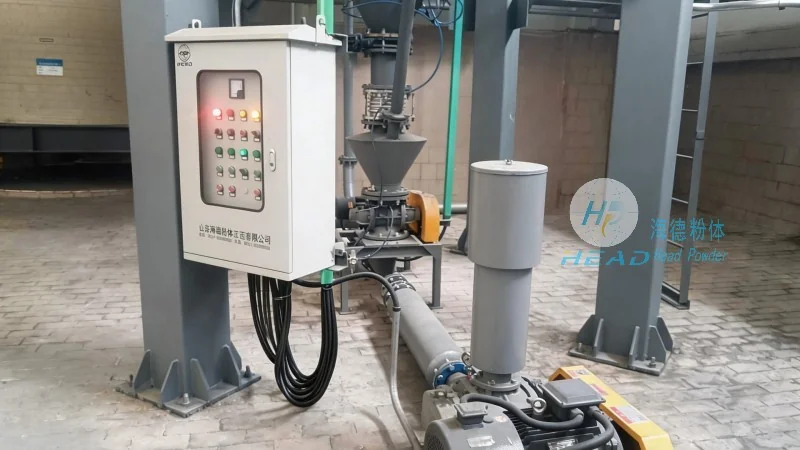
Benefits and Applications of PP Pellet Pneumatic Conveying Systems
PP pellet pneumatic conveying systems offer numerous benefits that make them ideal for various industrial applications. These systems provide a dust-free and hygienic method of transporting PP pellets, which is particularly important in food processing, pharmaceutical, and medical industries where contamination control is critical. The flexible design of pneumatic conveying systems allows for easy integration into existing production lines, enabling seamless material transport between different processing stages. The low maintenance requirements and minimal downtime make these systems cost-effective and reliable, reducing operational costs and improving overall productivity. Additionally, the ability to handle varying flow rates and material characteristics makes PP pellet pneumatic conveying systems versatile and adaptable to diverse industrial needs. Industries such as plastic manufacturing, chemical processing, and food processing widely utilize these systems to transport PP pellets efficiently and safely, ensuring consistent quality and performance in their production processes.
Conclusion and Future Developments
In conclusion, PP pellet pneumatic conveying systems are advanced and efficient solutions for transporting polypropylene pellets in various industrial applications. The operation process and working principle of these systems involve a combination of mechanical and pneumatic components that work together to ensure reliable and continuous material transport. HeadPowder, with its expertise and commitment to quality, continues to innovate and develop cutting-edge pneumatic conveying systems tailored to meet the evolving needs of the industry. As technology advances, future developments in PP pellet pneumatic conveying systems may focus on enhancing energy efficiency, improving material handling capabilities, and integrating smart technologies for better monitoring and control. These advancements will further optimize the performance of pneumatic conveying systems, making them even more effective and sustainable solutions for PP pellet transportation in the years to come.




