Understanding the operation process and working principle of dry material pneumatic conveying systems is crucial for industries that rely on efficient material handling solutions. These systems are designed to transport dry bulk materials through a pipeline using a combination of air and pressure, offering a versatile and effective method for moving powders, granules, and other dry substances. The technology has evolved significantly over the years, and modern systems like those offered by Shandong HeadPowder Engineering Co., Ltd. integrate advanced engineering principles to ensure optimal performance, reliability, and energy efficiency.
Key Components and Their Functions in Pneumatic Conveying Systems
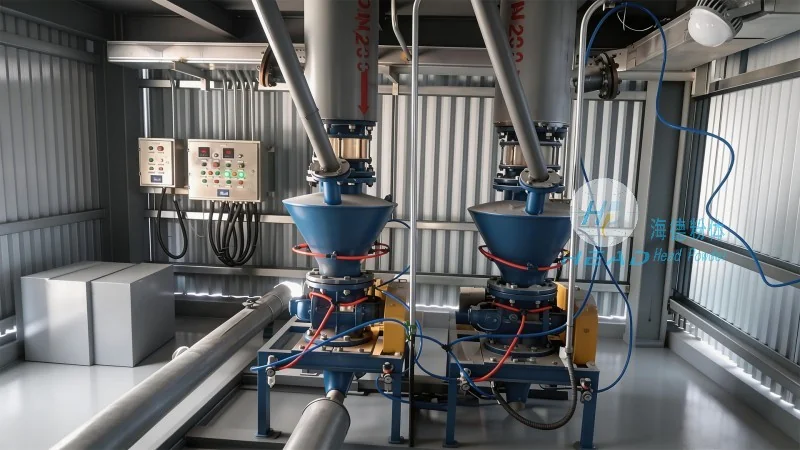
At the core of any dry material pneumatic conveying system are several key components that work in tandem to facilitate material transport. The primary components include the material hopper, which serves as the storage and feeding unit, the air compressor or blower that generates the necessary air pressure, the pipeline network that carries both the material and air, and the control system that regulates the flow and pressure. Each component plays a vital role in ensuring the smooth and continuous operation of the system. For instance, the material hopper is equipped with a feeder mechanism, such as a rotary valve or a screw feeder, which controls the flow rate of the dry material into the pipeline. The air compressor, typically a positive displacement blower or a centrifugal fan, provides the motive force by compressing air to a specific pressure level. The pipeline, usually made of stainless steel or other corrosion-resistant materials, ensures the material is transported efficiently without degradation or contamination. The control system, often integrated with sensors and automation technology, monitors parameters like pressure, flow rate, and material level, allowing for real-time adjustments to maintain optimal performance.
Operation Process of Dry Material Pneumatic Conveying Systems
The operation process of a dry material pneumatic conveying system involves several sequential steps that ensure the material is transported from the source to the destination efficiently. The process typically begins with the loading of dry material into the material hopper. The feeder mechanism then regulates the flow of material into the pipeline, while the air compressor generates the required air pressure. The compressed air, combined with the dry material, is then introduced into the pipeline, creating a flow that propels the material forward. As the material travels through the pipeline, it may encounter various components such as bends, elbows, or expansion chambers, which are designed to maintain the flow and prevent material deposition or blockages. The system continues to transport the material until it reaches the discharge point, where it is collected in a receiving hopper or container. The control system continuously monitors the process, adjusting the air pressure and material flow as needed to maintain a consistent and efficient operation. This operation process is designed to be continuous and automated, minimizing the need for manual intervention and ensuring high throughput and reliability.
Working Principle of Pneumatic Conveying Systems
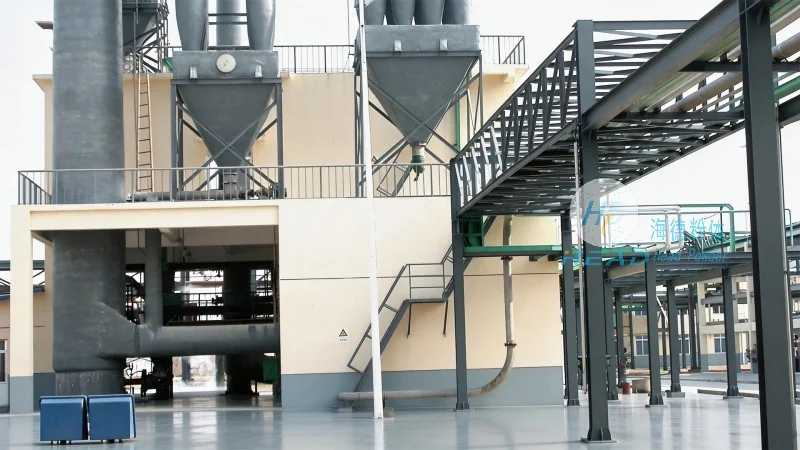
The working principle of dry material pneumatic conveying systems is based on the fundamental concept of transporting materials using air as the conveying medium. There are two main types of pneumatic conveying systems: pressure systems and vacuum systems. Pressure systems operate by introducing compressed air into the pipeline at the material inlet, creating a pressure differential that drives the material forward. The air and material mixture moves through the pipeline, with the air providing the necessary momentum to overcome friction and gravity. Vacuum systems, on the other hand, operate by creating a vacuum at the material discharge point, drawing the material and air into the pipeline from the source. Both systems rely on the principles of fluid dynamics and particle motion to ensure effective material transport. The key to the working principle is the balance between the air velocity and the material particle size and density. If the air velocity is too low, the material may settle and cause blockages; if it is too high, it may lead to excessive wear on the pipeline and components. Therefore, the design of the system must consider the specific characteristics of the dry material being transported, such as its particle size distribution, density, and flow properties, to optimize the conveying process. Modern systems, like those from Shandong HeadPowder Engineering Co., Ltd., incorporate advanced algorithms and sensors to dynamically adjust the air pressure and flow rate, ensuring the most efficient and reliable operation.
Advantages of Dry Material Pneumatic Conveying Systems
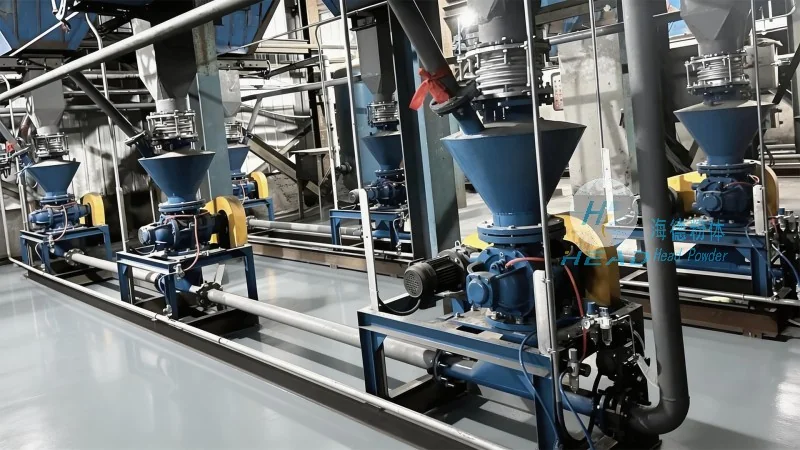
Dry material pneumatic conveying systems offer several advantages over traditional material handling methods, making them a preferred choice for many industries. One of the primary advantages is the ability to transport materials over long distances without the need for intermediate storage or transfer points. This reduces the overall system complexity and operational costs. Additionally, these systems are highly flexible, allowing for changes in the material flow direction or destination without significant modifications to the infrastructure. The enclosed pipeline design also prevents material contamination from external sources and minimizes dust emissions, which is crucial for maintaining a clean and safe working environment. Furthermore, pneumatic conveying systems are capable of handling a wide range of dry materials, including powders, granules, and fine particles, with minimal degradation or loss. The continuous and automated operation of these systems also contributes to improved productivity and reduced labor costs. Overall, the advantages of dry material pneumatic conveying systems make them an ideal solution for industries that require efficient, reliable, and cost-effective material handling solutions.
Applications and Industries Using Pneumatic Conveying Systems
Dry material pneumatic conveying systems are widely used across various industries due to their versatility and efficiency. The food and pharmaceutical industries, for example, rely on these systems to transport dry ingredients and powders while maintaining strict hygiene standards. The system's enclosed design and stainless steel construction ensure that the materials are handled in a clean and controlled environment, preventing contamination and ensuring product quality. In the chemical industry, pneumatic conveying systems are used to transport various chemicals, including powders and granules, from production lines to storage or processing units. The ability to handle corrosive materials and maintain a controlled environment makes these systems suitable for this industry. The mining and minerals industry also utilizes pneumatic conveying systems to transport raw materials, such as ores and powders, from mining sites to processing facilities. The high throughput and reliability of these systems make them essential for large-scale mining operations. Additionally, the construction and cement industries use pneumatic conveying systems to transport cement, sand, and other dry materials to construction sites. The flexibility and efficiency of these systems allow for rapid material delivery, improving project timelines and productivity. Overall, the applications of dry material pneumatic conveying systems span across multiple industries, highlighting their importance in modern material handling solutions.




