Feather pneumatic conveying machines are specialized equipment designed for the efficient and safe transportation of lightweight materials such as feathers, powders, and fine particles. These machines utilize air pressure to move materials through a pipeline system, offering advantages like minimal product degradation, low maintenance requirements, and the ability to handle materials in a closed environment. The operation process and working principle of these machines are critical for understanding their functionality and ensuring optimal performance in industrial applications.
Key Components of Feather Pneumatic Conveying Systems
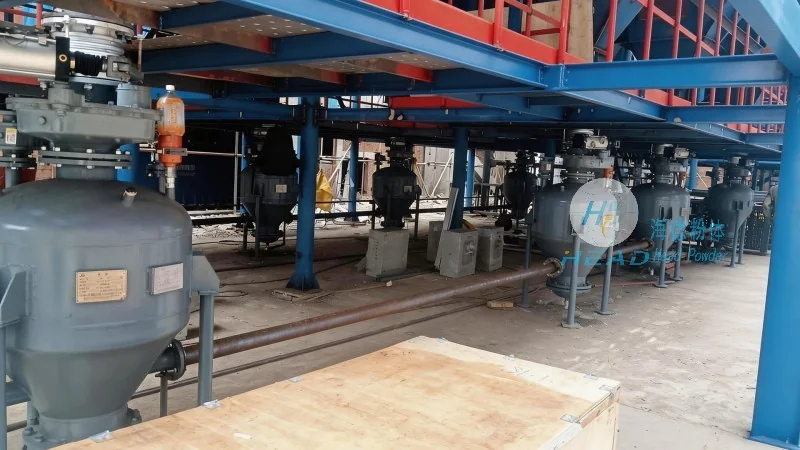
Feather pneumatic conveying systems typically consist of several key components that work in concert to facilitate material transport. These components include a blower or air compressor, a hopper or material feeder, a pipeline network, a receiver or discharge unit, and sometimes a filter or separator. The blower generates the necessary air pressure to create a flow of air through the system. The hopper holds the material to be conveyed, and the feeder controls the rate at which material is introduced into the pipeline. The pipeline transports the material and air mixture to the receiver, where the material is collected. In some systems, a filter or separator may be used to remove any residual particles from the air before it is released back into the environment.
The Working Principle of Pneumatic Conveying
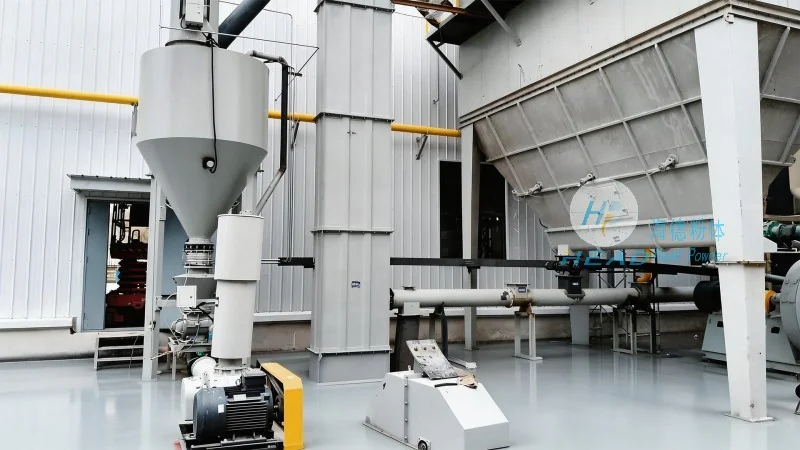
The working principle of feather pneumatic conveying machines is based on the use of air pressure to move material through a closed system. When the blower operates, it creates a low-pressure zone in the pipeline, which draws material from the hopper into the air stream. The material is then carried along the pipeline by the high-velocity air flow. The velocity of the air is crucial; it must be sufficient to prevent material settling and ensure smooth transport. The system can operate in either positive pressure or negative pressure modes. In positive pressure systems, the blower pushes air and material through the pipeline, while in negative pressure systems, the blower pulls air and material from the hopper. For feather materials, negative pressure systems are often preferred as they minimize the risk of material contamination and provide a more gentle handling process.
Operation Process Step-by-Step
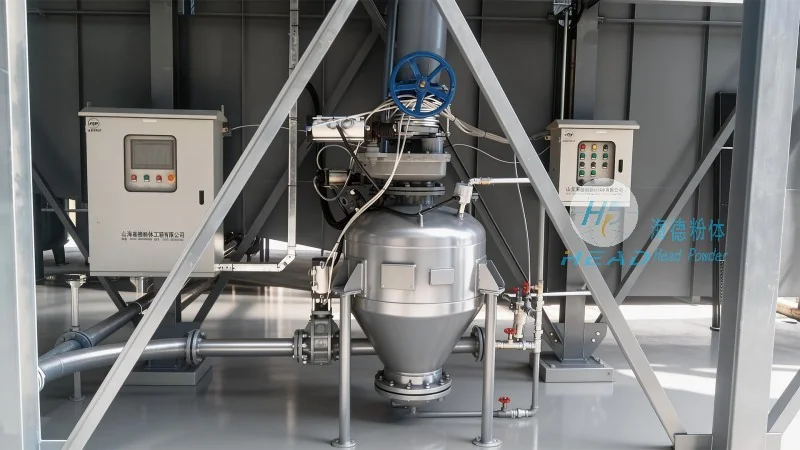
The operation process of a feather pneumatic conveying machine involves several sequential steps that ensure efficient material transport. First, the material is loaded into the hopper. The feeder then regulates the flow of material into the pipeline, ensuring a consistent feed rate. The blower is activated, creating the necessary air pressure and flow. As the material enters the pipeline, it is mixed with the air and carried to the receiver. The receiver collects the material, which is then discharged for further processing or storage. The air, now containing any fine particles, passes through a filter or separator to remove the material before being vented. This process is continuous as long as the system is operational, allowing for uninterrupted material transport.
Advantages of Using Feather Pneumatic Conveying Machines
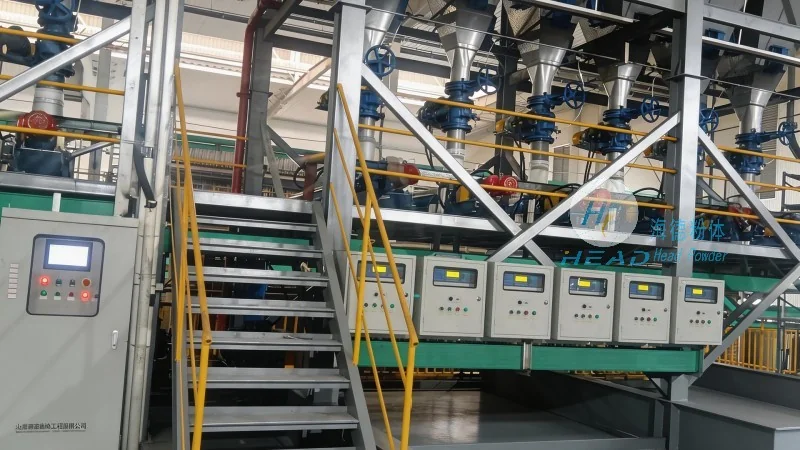
Feather pneumatic conveying machines offer several advantages over traditional material handling methods. These include the ability to handle lightweight and delicate materials without causing damage or degradation. The closed system design prevents contamination from dust or other environmental factors, ensuring product purity. The low maintenance requirements and compact design make these machines suitable for various industrial settings. Additionally, the system can be easily integrated into existing production lines, reducing the need for extensive modifications. The energy efficiency of modern blower technology also contributes to cost savings over time.




