High-calcium materials, such as limestone, quicklime, and other calcium-rich powders, are widely used in various industrial processes, including cement production, chemical manufacturing, and environmental treatment. Efficient and reliable material handling is crucial for optimizing production efficiency and ensuring product quality. Pneumatic conveying systems, particularly high-calcium pneumatic conveyors, offer a solution to transport these materials with precision and minimal loss. This article explores the operation process and working principle of high-calcium pneumatic conveying equipment, highlighting the key components, operational steps, and technical considerations.
Key Components of High-Calcium Pneumatic Conveying Systems
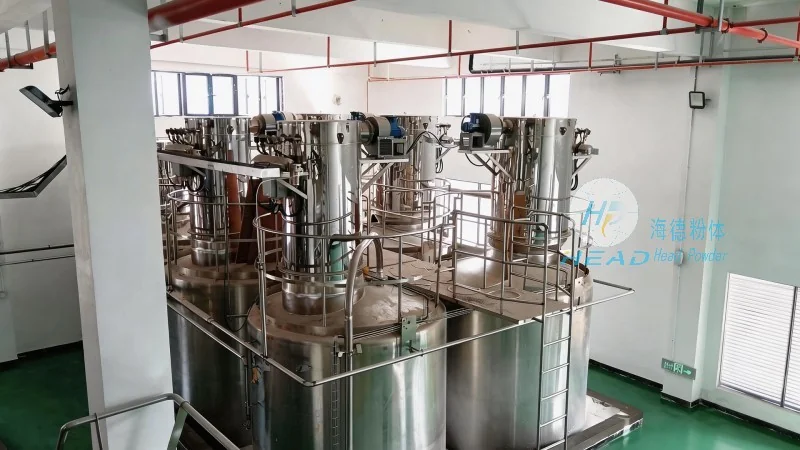
High-calcium pneumatic conveying systems consist of several critical components that work in tandem to achieve effective material transport. The primary components include the material hopper, feeder, air compressor, conveying line, and receiver. Each component plays a vital role in the overall system performance.
The material hopper is designed to store and feed the high-calcium powder into the system. It typically features a hopper with a conical bottom to facilitate smooth material flow. The feeder, often a rotary valve or a screw feeder, controls the discharge rate of the material, ensuring a consistent feed to the conveying line. The air compressor generates the necessary air pressure to create the conveying air stream. The conveying line, usually made of stainless steel or other corrosion-resistant materials, transports the material and air mixture. The receiver collects the conveyed material and separates it from the air, completing the transport cycle.
Working Principle of High-Calcium Pneumatic Conveying
The working principle of high-calcium pneumatic conveying involves the use of compressed air to move the material particles through the conveying line. There are two main types of pneumatic conveying systems: dilute-phase and dense-phase. Dilute-phase systems use lower air velocities and higher air-to-material ratios, suitable for long-distance transport. Dense-phase systems use higher air velocities and lower air-to-material ratios, ideal for short-distance transport and preventing material degradation.
In the operation process, the high-calcium powder is first fed from the hopper into the feeder. The feeder then releases the material into the conveying line at a controlled rate. Simultaneously, the air compressor supplies compressed air to the conveying line. The air stream creates a pressure differential, drawing the material particles into the air flow. The material and air mixture travels through the conveying line to the receiver, where the air is separated from the material using a cyclone or other separation equipment. The separated material is collected in the receiver, and the air is either vented or recirculated back to the system.
Operation Process of High-Calcium Pneumatic Conveying Equipment
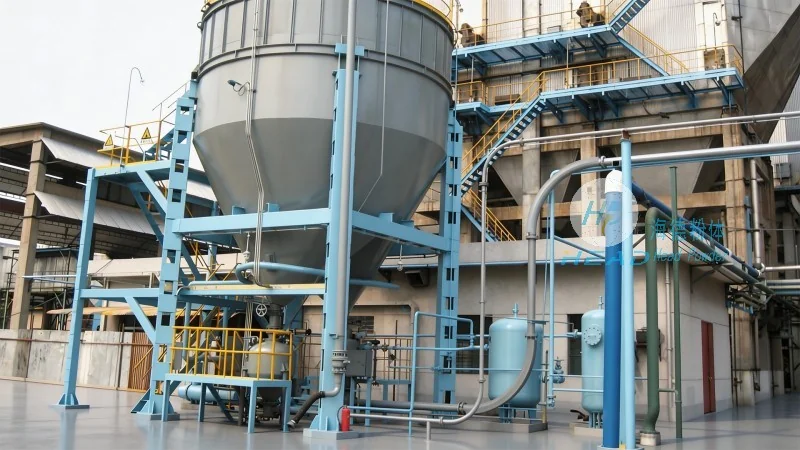
The operation process of high-calcium pneumatic conveying equipment involves several sequential steps to ensure efficient and safe material transport. The process begins with the preparation of the system, including checking the air compressor pressure, verifying the feeder settings, and ensuring the hopper is adequately filled with material.
Step 1: System Start-up. The air compressor is activated, and the pressure is adjusted to the required level. The feeder is started, and the material begins to flow into the conveying line. The air stream is initiated, creating the conveying conditions.
Step 2: Material Conveying. As the material is fed into the line, it is entrained by the air stream and transported to the receiver. The system monitors the material flow rate and air pressure to maintain optimal operation. Any fluctuations in the system are adjusted by modifying the feeder speed or air pressure.
Step 3: Material Reception. The material is collected in the receiver. The receiver may include a dust collection system to capture any fine particles that escape during the conveying process. The collected material is then transferred to the next processing stage.
Step 4: System Shutdown. The feeder is stopped, and the air compressor is turned off. The receiver is emptied, and the system is cleaned to prevent material buildup and ensure readiness for the next operation.
Technical Considerations for High-Calcium Pneumatic Conveying
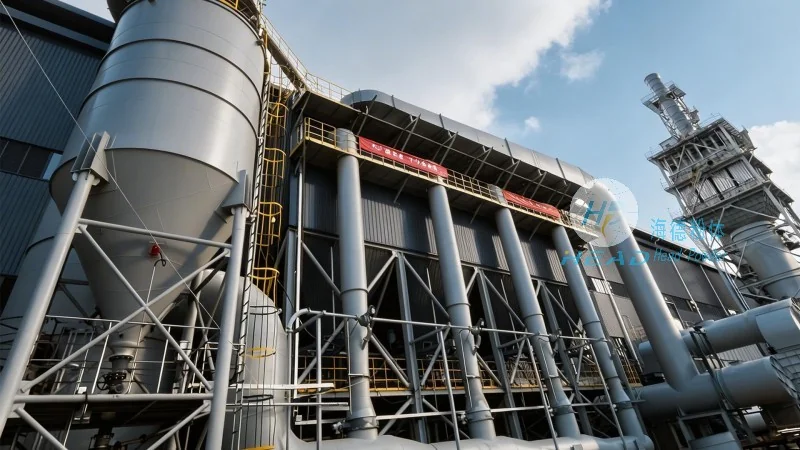
Several technical considerations are essential for the effective operation of high-calcium pneumatic conveying systems. Material properties, such as particle size, moisture content, and density, significantly impact the system's performance. Larger or more abrasive particles may require higher air velocities or specialized conveying lines to prevent blockages. Moisture content affects the material's flowability and can lead to caking or corrosion in the system components.
System design and maintenance are also critical. Proper sizing of the air compressor and conveying line ensures sufficient air pressure and flow rate. Regular maintenance, including cleaning the hopper, feeder, and receiver, and inspecting the air compressor and filters, is necessary to prevent system downtime and maintain efficiency. Additionally, monitoring the system's performance parameters, such as pressure, flow rate, and material temperature, helps identify potential issues early and ensure optimal operation.
Applications of High-Calcium Pneumatic Conveying
High-calcium pneumatic conveying equipment is widely used in various industrial applications where the transport of calcium-rich materials is required. In the cement industry, these systems are used to convey limestone and quicklime from storage to the grinding and mixing stages. In chemical manufacturing, they transport calcium-based reagents for production processes. In environmental applications, they handle calcium-based materials for wastewater treatment and flue gas desulfurization.
The efficiency and reliability of high-calcium pneumatic conveyors make them a preferred choice for industries that demand consistent material handling and minimal product loss. By understanding the operation process and working principle, users can optimize their systems for specific applications and ensure long-term performance.




