Calcium hydroxide powder, commonly known as slaked lime, is a widely used chemical in various industrial applications. The pneumatic conveying of this powder is a critical process for efficient material handling. This article provides an in-depth look at the operation process and working principle of hydraulic lime powder pneumatic conveying, highlighting the key aspects that ensure smooth and reliable material transport. Shandong HeadPowder Engineering Co., Ltd. specializes in the design and implementation of such systems, ensuring optimal performance and reliability for industrial clients.
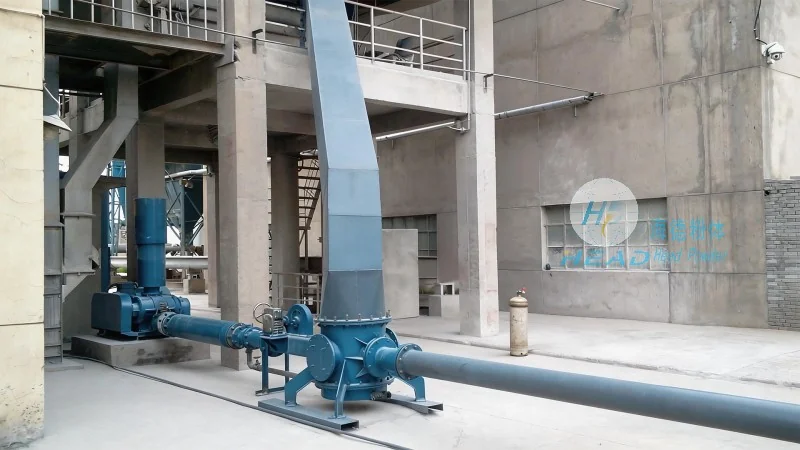
Working Principle of Pneumatic Conveying for Calcium Hydroxide Powder
The core principle of pneumatic conveying involves the use of air or gas to transport solid particles through a pipeline. In the case of calcium hydroxide powder, the system typically operates under positive pressure, where compressed air is introduced into the conveying line. The powder is then entrained by the moving air stream and carried to the destination. The process relies on the balance between the air velocity and the particle size, ensuring that the powder is fully suspended and transported without clogging or degradation. The system includes components such as a hopper, a rotary valve, a conveying line, and a receiver, each playing a crucial role in the overall operation.
Key Components and Their Roles in the Conveying System
The pneumatic conveying system for calcium hydroxide powder consists of several essential components that work in tandem to achieve efficient transport. The hopper serves as the storage and feeding unit, where the powder is held before being released into the system. The rotary valve, often referred to as a feeder, controls the flow rate of the powder, ensuring a consistent and controlled discharge. The conveying line, usually made of stainless steel or other corrosion-resistant materials, is designed to withstand the abrasive nature of the calcium hydroxide powder. The air compressor or blower provides the necessary pressure and volume of air to move the powder through the line. Finally, the receiver collects the conveyed powder, separating it from the air stream through a filter or cyclone.
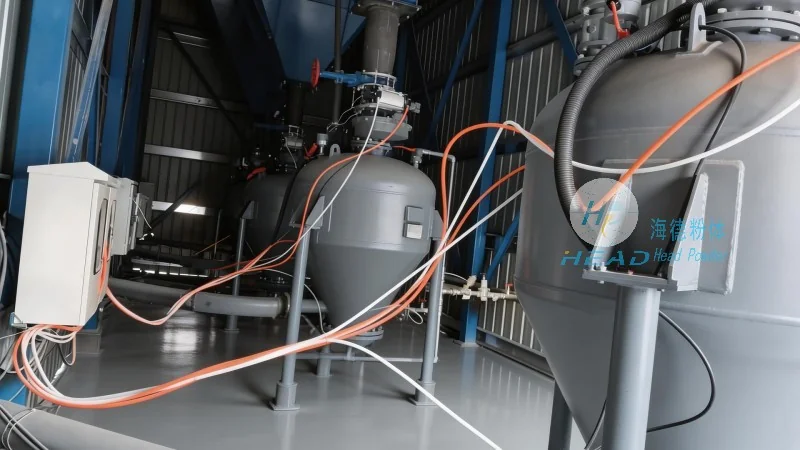
Operation Process: Step-by-Step Overview
The operation process of hydraulic lime powder pneumatic conveying can be broken down into several sequential steps. First, the calcium hydroxide powder is loaded into the hopper from a storage silo or bag. The rotary valve then regulates the flow of powder into the conveying line. Simultaneously, the air compressor generates the required air pressure, which is introduced into the line at the inlet. The air and powder mixture travels through the pipeline, with the air velocity maintained at a level sufficient to keep the powder suspended. As the mixture reaches the receiver, the air and powder are separated. The air passes through a filter to remove any residual powder particles, while the calcium hydroxide powder is collected in the receiver. The system is designed to operate continuously, with the rotary valve and air compressor working in sync to maintain a steady flow of material.
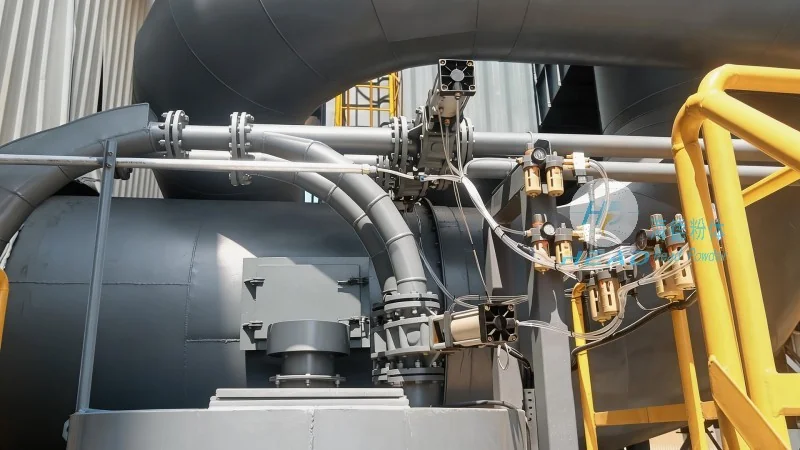
Advantages of Pneumatic Conveying for Calcium Hydroxide Powder
Compared to traditional methods like belt conveyors or bucket elevators, pneumatic conveying offers several advantages for handling calcium hydroxide powder. It provides a closed system, minimizing dust emissions and ensuring a cleaner working environment. The process is also highly flexible, allowing for changes in the conveying distance or destination without major modifications. Additionally, pneumatic conveying can handle a wide range of particle sizes and flow rates, making it suitable for various industrial applications. The system is also relatively compact, requiring less floor space compared to other material handling solutions. Furthermore, the positive pressure operation reduces the risk of material degradation or caking, which is common in other conveying methods.
Applications and Industries Using Calcium Hydroxide Powder Pneumatic Conveying
The pneumatic conveying of calcium hydroxide powder is utilized in a variety of industries where this chemical is essential. In the construction industry, it is used as a component in mortar and concrete, and the conveying system ensures that the powder is delivered to the mixing plant efficiently. In the chemical industry, calcium hydroxide is used in the production of other chemicals, and the pneumatic system facilitates the transport of the raw material between processing units. The food and pharmaceutical industries also benefit from this technology, as the closed system maintains the purity and quality of the powder. Overall, the efficiency and reliability of pneumatic conveying make it a preferred choice for handling calcium hydroxide powder in various industrial settings.




