Phosphoric hydrogen calcium, a critical component in the production of agricultural fertilizers and various chemical products, demands efficient and reliable material handling solutions for its transportation. The pneumatic conveying line, a sophisticated technology for bulk material transport, provides an effective solution that combines high efficiency, safety, and adaptability. This article delves into the fundamental principles of these systems and highlights the specific characteristics of their operational scenarios, offering insights into how they enhance material handling processes in industrial settings.
Core Principles of Pneumatic Conveying for Phosphoric Hydrogen Calcium
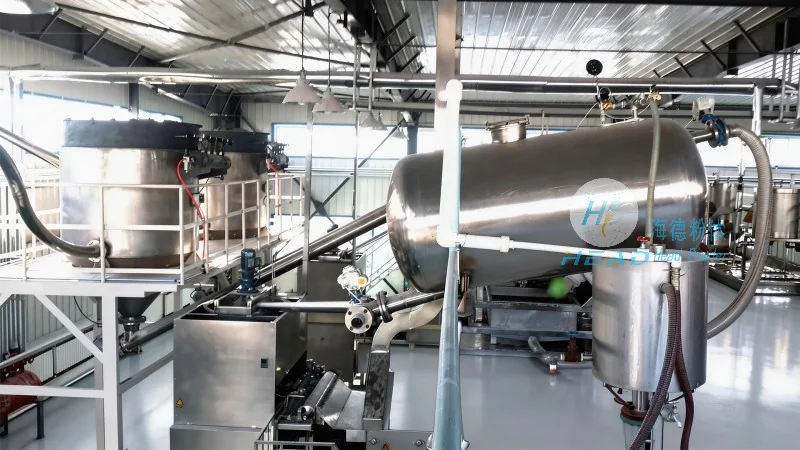
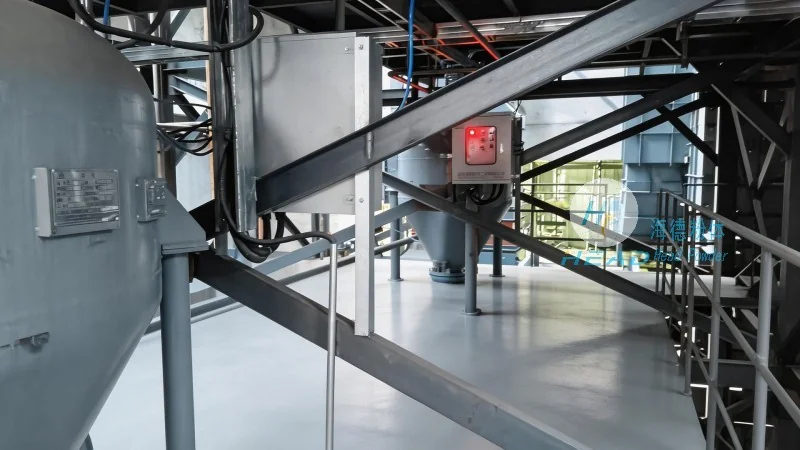
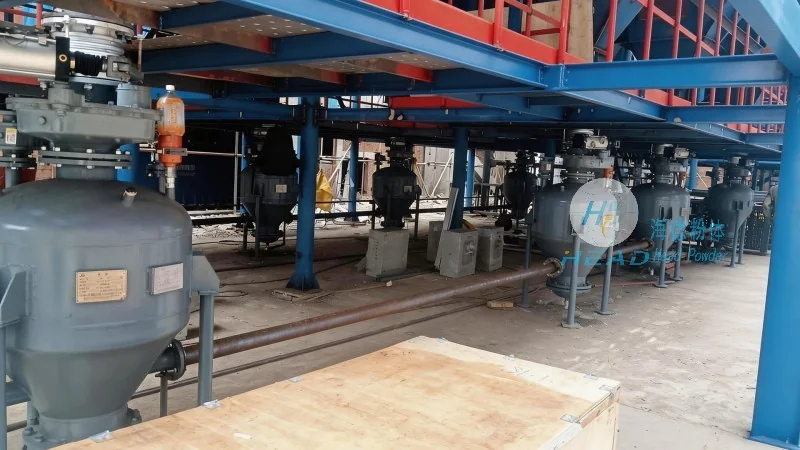
The pneumatic conveying line operates on the principle of utilizing compressed air to move bulk materials through a pipeline network. For phosphoric hydrogen calcium, which is typically a fine or granular powder, the system commonly employs a positive pressure approach, where a blower generates air pressure to push the material through the pipeline. This method is preferred due to its ability to handle high material loads and maintain a stable flow rate, crucial for consistent production processes. The system's key components include a material feeder (such as a rotary valve or vibratory feeder), a conveying pipeline (often made of stainless steel or other corrosion-resistant materials to withstand the material's chemical properties), a control system (for monitoring pressure, flow rate, and system status), and a dust collection or separation unit (to prevent material loss and ensure environmental compliance). The positive pressure system ensures that the material is continuously pushed through the pipeline, reducing the risk of blockages and material degradation. The control system plays a vital role in maintaining optimal operation, with sensors and feedback mechanisms adjusting the blower speed or feeder rate based on real-time conditions. For instance, if the material flow rate decreases, the system can automatically increase the blower pressure to maintain consistent transport. The material feeder is designed to handle the material's properties, such as its moisture content or tendency to cake, ensuring smooth discharge and preventing material buildup at the feeder outlet. The pipeline design is also critical, with appropriate diameter and slope to facilitate material movement and minimize friction losses. The use of pulse jet cleaning systems may be incorporated to remove material deposits from the pipeline walls, ensuring long-term system efficiency and preventing system downtime due to blockages.
Working Scene Characteristics of Pneumatic Conveying Lines for Phosphoric Hydrogen Calcium
The application scenarios for phosphoric hydrogen calcium pneumatic conveying lines vary significantly based on the industry and production scale. In agricultural fertilizer manufacturing, these systems are widely used to transport the material from storage silos to processing units or packaging lines. The key characteristics in this scenario include high throughput requirements, often ranging from 10 to over 200 tons per hour, depending on the production capacity. The system must be designed to handle the material's fine particle size, which can lead to challenges like pipeline blockages or increased dust generation. To address these issues, the conveying line may incorporate advanced features such as pulse jet cleaning, which uses compressed air pulses to remove material buildup from the pipeline interior, ensuring consistent flow and preventing system failures. Additionally, the system's control system is integrated with the overall production process, allowing for real-time monitoring of material flow rates, pressure levels, and system performance. This integration enables immediate adjustments if any anomalies are detected, such as a drop in flow rate or an increase in pressure, ensuring continuous and efficient operation. In industrial chemical processing, the conveying line may be used to transport phosphoric hydrogen calcium from a reaction vessel to a storage or packaging facility. Here, the system's characteristics emphasize safety and environmental compliance, as the material may be handled in conjunction with other chemicals or in environments where dust control is critical. The use of explosion-proof components and advanced dust collection systems is standard in such applications to meet safety regulations and protect the environment. The system's scalability is another key characteristic, as it can be designed to accommodate changes in production volume or material properties over time. For example, the conveying line may be equipped with adjustable blower capacity or variable speed feeders to adapt to different material loads or processing requirements. In the context of Shandong HeadPowder Engineering Co., Ltd., a leading provider of material handling solutions, their pneumatic conveying lines for phosphoric hydrogen calcium are tailored to meet these specific needs. The company leverages its expertise in material flow engineering and system integration to deliver customized solutions that enhance efficiency, reliability, and cost-effectiveness. Their systems are designed with the material's properties in mind, ensuring optimal performance and minimal maintenance. By combining advanced technology with practical application knowledge, Shandong HeadPowder Engineering Co., Ltd. provides reliable pneumatic conveying solutions that meet the demands of industries handling phosphoric hydrogen calcium, contributing to improved productivity and operational safety.




