High-temperature ash material pneumatic conveying lines are critical systems in industrial applications, particularly in power plants and industrial facilities where the efficient handling of hot ash and particulate matter is essential. These systems utilize pneumatic technology to transport ash and other high-temperature materials from their source to disposal or processing points, ensuring safe and reliable operation under challenging thermal conditions.
Company Introduction
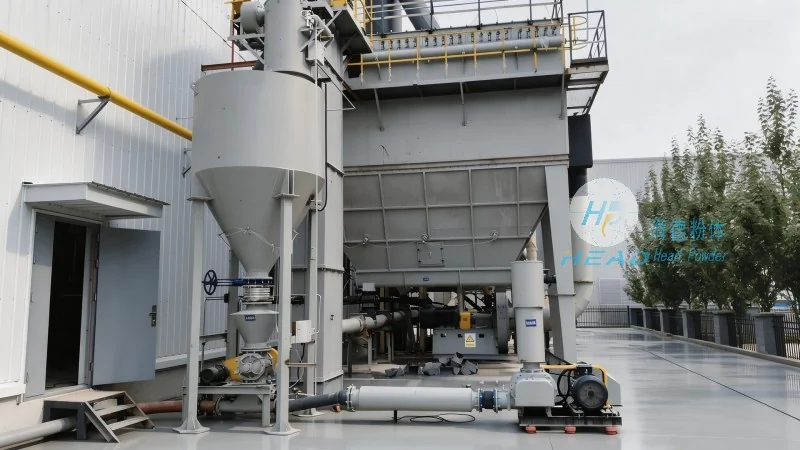
HeadPowder, or Shandong HeadPowder Engineering Co., Ltd., is a leading provider of specialized engineering solutions for material handling systems. With operations based in Shandong, China, the company has established itself as a trusted partner in designing and implementing advanced pneumatic conveying solutions tailored to the unique demands of high-temperature material transport. HeadPowder's expertise lies in integrating robust engineering principles with practical application, ensuring that their systems meet the rigorous standards required for industrial environments.
Principle of High-Temperature Ash Pneumatic Conveying
The core principle of high-temperature ash pneumatic conveying lines involves the use of compressed air or gas to create a flow that transports solid particles through a pipeline. In the context of high-temperature ash, the system must be engineered to withstand extreme temperatures, typically ranging from 200°C to 800°C, depending on the source of the ash. This requires specialized components such as high-temperature-resistant materials for the pipeline, valves, and other components. The conveying process typically operates on the basis of creating a negative pressure or positive pressure environment within the pipeline, where the air flow entrains the ash particles and propels them to the destination. Key factors in the design include the selection of appropriate air velocities to prevent particle deposition and ensure consistent flow, as well as the use of efficient separation and filtration systems to maintain system performance and prevent material buildup.
Working Scene Characteristics
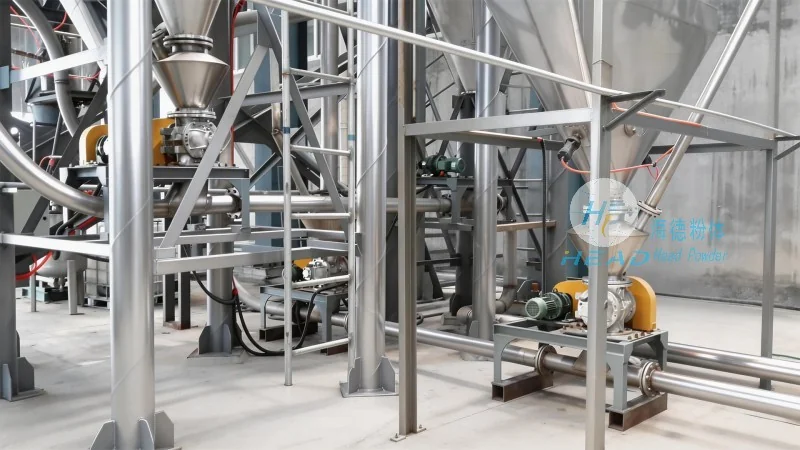
High-temperature ash material pneumatic conveying lines are deployed in a variety of industrial settings, each with distinct characteristics that influence system design and operation. In power plants, for example, these systems are used to transport fly ash from boiler furnaces to storage silos or for further processing. The working environment in such settings is characterized by high temperatures, high dust concentrations, and the need for continuous operation to support plant efficiency. The systems must be capable of handling large volumes of ash while maintaining low maintenance requirements and high reliability. In industrial furnaces and incineration plants, similar conveying systems are employed to transport bottom ash and other residues, where the material may have varying particle sizes and moisture content. The working scene characteristics also include considerations for space constraints, as these systems are often integrated into existing plant layouts, requiring compact and adaptable designs. Additionally, the systems must comply with environmental regulations regarding dust emission and material handling, ensuring that they contribute to overall plant safety and compliance.
Key Design Considerations for High-Temperature Applications
Designing high-temperature ash pneumatic conveying lines involves several critical considerations to ensure optimal performance and longevity. One of the primary factors is the selection of materials that can withstand prolonged exposure to high temperatures without degradation. Materials such as stainless steel, high-temperature alloys, and specialized coatings are commonly used for pipeline components, valves, and fittings. The system must also incorporate effective thermal insulation to minimize heat loss and prevent external surfaces from becoming too hot to handle. Sealing mechanisms are another critical aspect, as maintaining airtightness in high-temperature environments is essential to prevent air leakage and maintain the pressure differential required for conveying. Additionally, the system design must account for the potential for material buildup and clogging, which can occur due to the high temperature and moisture content of the ash. This may involve the use of cleaning mechanisms, such as air jets or mechanical scrapers, to maintain pipeline integrity and ensure consistent flow. The control systems for these lines are also sophisticated, often incorporating sensors to monitor temperature, pressure, and flow rates, allowing for real-time adjustments to maintain optimal operation.
Advantages of High-Temperature Ash Pneumatic Conveying
Implementing high-temperature ash pneumatic conveying lines offers several advantages over traditional mechanical conveying methods. One of the most significant benefits is the ability to handle materials in a completely enclosed system, which reduces dust emissions and improves workplace safety. This is particularly important in environments where dust can pose health risks or interfere with other plant operations. The enclosed system also minimizes the risk of material contamination, which is crucial for ash that may be used in other industrial processes or for disposal. Another advantage is the flexibility of the system, as pneumatic conveying can be easily adapted to different material types and flow rates. The system can be scaled up or down to meet changing production demands, making it a versatile solution for industrial facilities. Furthermore, the lack of moving parts in the conveying line reduces maintenance requirements compared to mechanical systems, leading to lower operational costs and higher system reliability. The efficiency of the system in terms of energy consumption is also a key benefit, as the use of compressed air can be optimized to minimize energy waste while maintaining effective material transport.
Application Examples and Case Studies
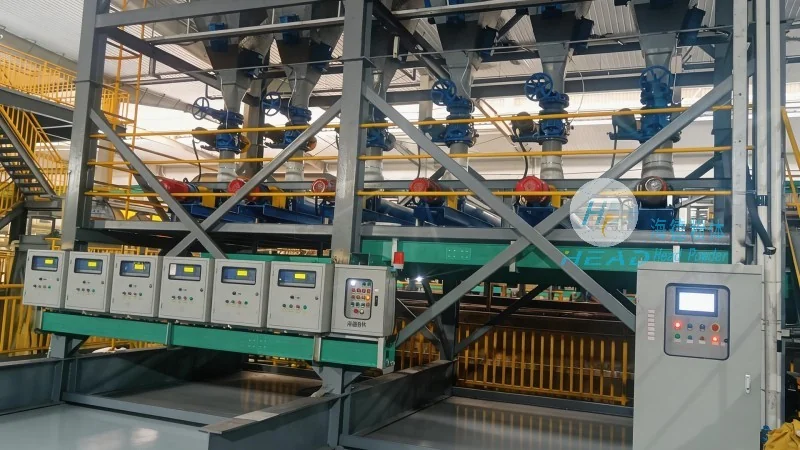
HeadPowder has successfully implemented high-temperature ash pneumatic conveying lines in various industrial applications, demonstrating the effectiveness of their engineering solutions. For instance, in a large coal-fired power plant, the company designed a system to transport fly ash from the boiler to a storage silo, handling temperatures up to 600°C and a flow rate of 100 tons per hour. The system was engineered with high-temperature-resistant stainless steel pipelines and advanced control systems, ensuring reliable operation over several years. Another application involved an industrial incineration plant, where HeadPowder's system was used to convey bottom ash from the furnace to a disposal area. The system was adapted to handle varying particle sizes and moisture content, with the addition of cleaning mechanisms to prevent clogging. These case studies highlight the adaptability and robustness of HeadPowder's high-temperature ash pneumatic conveying solutions, which are tailored to meet the specific needs of each industrial client.
Conclusion
High-temperature ash material pneumatic conveying lines represent a sophisticated and effective solution for the handling of hot particulate materials in industrial settings. By leveraging pneumatic technology and specialized engineering, these systems provide reliable, efficient, and safe transport of ash and other high-temperature materials. HeadPowder, with its expertise in material handling engineering, continues to develop and implement advanced solutions that meet the evolving demands of industrial facilities, ensuring that high-temperature ash is handled in a manner that is both environmentally responsible and operationally efficient.




