HeadPowder, a leading provider of industrial powder handling solutions, specializes in advanced weighing and feeding technologies for pneumatic conveying systems. This article explores the fundamental principles behind weighing feeding mechanisms and highlights the key characteristics of working environments where these systems are commonly applied. By understanding the core concepts and operational dynamics, users can better appreciate the efficiency and precision these systems offer in various industrial applications.
The Core Principle of Weighing Feeding in Pneumatic Conveying
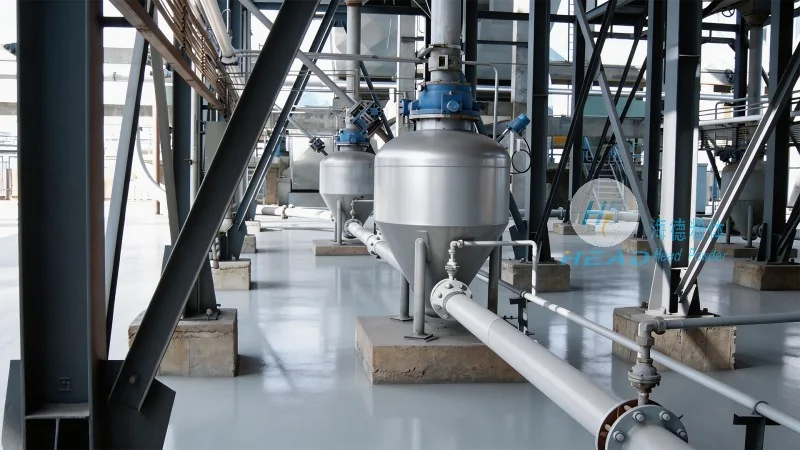
The principle of weighing feeding in powder pneumatic conveying involves the precise measurement and controlled delivery of bulk materials. At the heart of this technology is a weighing hopper or feeder that integrates with the pneumatic conveying pipeline. The system operates by weighing the material as it is being fed into the conveying line, ensuring accurate dosing and flow control. This approach is critical for applications requiring consistent material flow, such as in pharmaceutical, food processing, and chemical industries, where product quality and process reliability are paramount.
Key Working Scene Characteristics
The working scene characteristics of weighing feeding pneumatic conveying systems are defined by several critical factors that influence their performance and suitability. These include the type of material being conveyed—whether it is fine powders, granules, or bulk solids—and the required flow rate or throughput. The system's design must accommodate the material's properties, such as moisture content, particle size distribution, and flowability, to prevent issues like clogging or uneven flow. Additionally, the operational environment, including ambient temperature and pressure, plays a role in the system's efficiency. For instance, in high-temperature or corrosive environments, specialized materials and components are used to ensure durability and maintain performance standards.
Application Examples and Industry Use Cases
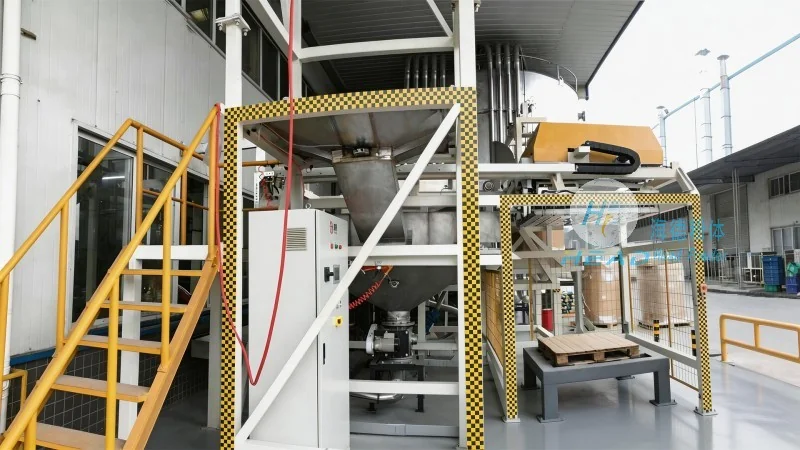
Weighing feeding pneumatic conveying systems are widely used across diverse industries, each with unique requirements. In the pharmaceutical sector, these systems are employed to handle active pharmaceutical ingredients (APIs) and excipients with high precision, ensuring compliance with stringent regulatory standards. The food industry utilizes them for conveying powders like flour, sugar, and spices, where hygiene and contamination control are essential. In the chemical industry, they are used for transporting reactive powders or hazardous materials, where accurate dosing and safety are critical. Each application benefits from the system's ability to provide consistent, controlled feeding, which enhances production efficiency and product quality.
Advantages and Benefits of Weighing Feeding Systems
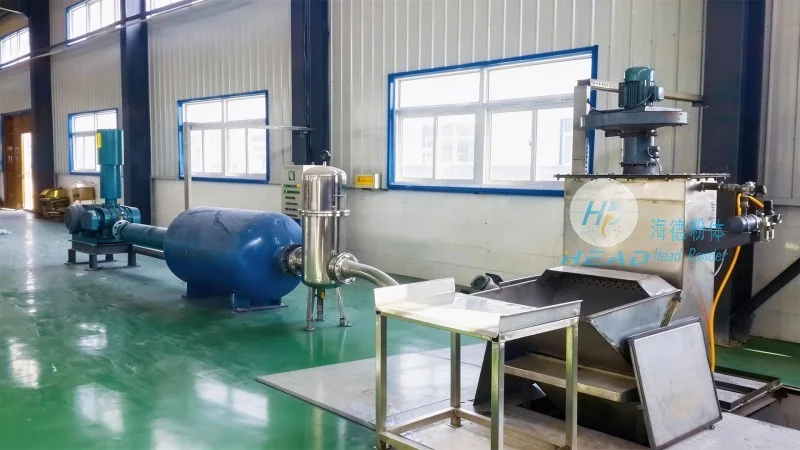
Implementing weighing feeding in pneumatic conveying offers several advantages that contribute to improved operational performance. One of the primary benefits is the enhanced accuracy and repeatability of material delivery. Unlike traditional volumetric feeders, which may be affected by material density variations, weighing systems provide real-time feedback, allowing for immediate adjustments to maintain the desired flow rate. This leads to reduced material waste and lower production costs. Additionally, the system's ability to handle a wide range of materials, from fine powders to bulk solids, makes it versatile for various industrial processes. The integration of weighing technology also facilitates better process control and data monitoring, enabling operators to track performance metrics and identify potential issues before they impact production.
Conclusion and Future Trends
As industrial processes continue to demand higher precision and efficiency, weighing feeding pneumatic conveying systems remain a vital component in modern material handling. The technology's ability to deliver accurate, controlled material flow has made it indispensable in sectors where product quality and process reliability are non-negotiable. While traditional systems have proven effective, ongoing advancements in sensor technology and control systems are expected to further enhance the performance and adaptability of these systems. For industries looking to optimize their material handling operations, investing in advanced weighing feeding solutions is a strategic move that can lead to long-term operational benefits and competitive advantages.




