Understanding the operational principles and application scenarios of sugar powder conveyors is crucial for optimizing material handling in the sugar industry. These specialized systems are designed to efficiently transport granular and powdered sugar, ensuring minimal loss and maintaining product quality throughout the process.
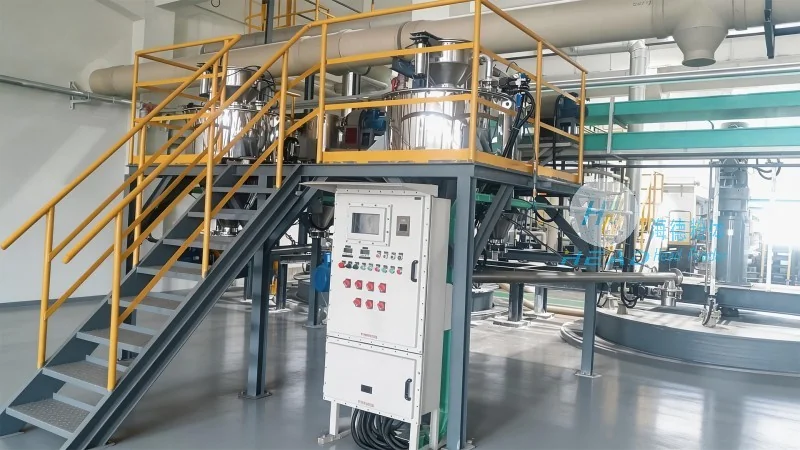
Introduction to Sugar Powder Conveying Systems
Sugar powder conveyors, as part of the broader powder handling equipment category, play a vital role in sugar processing facilities. They are engineered to handle the unique properties of sugar, such as its fine particle size, hygroscopic nature, and susceptibility to caking. The design of these conveyors addresses these challenges through specialized components like flexible hoses, rotary valves, and dust control mechanisms.
Company Overview: HeadPowder
HeadPowder, a leading manufacturer based in Shandong, China, specializes in the design, production, and supply of industrial conveying equipment. With years of experience in the powder handling sector, HeadPowder has developed advanced solutions tailored to the demands of the sugar industry. The company’s headquarters is located in Shandong, China, where it leverages local expertise and manufacturing capabilities to deliver high-quality products.
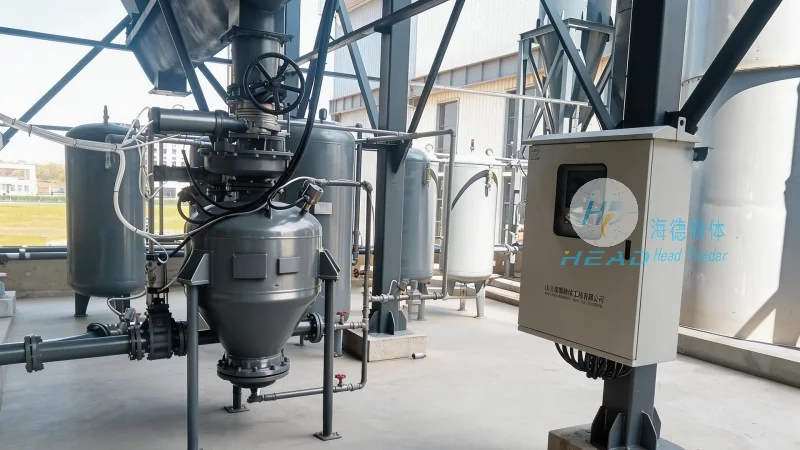
The Core Principle of Sugar Powder Conveyors
The fundamental principle behind sugar powder conveyors is the use of air or mechanical force to move sugar particles from one location to another. In pneumatic systems, compressed air is used to create a flow of air and sugar particles, while mechanical systems rely on rotating components to transport the material. Both methods are designed to minimize product degradation and ensure consistent flow rates. The selection of a conveyor type depends on factors such as the sugar's moisture content, particle size distribution, and the required distance of transport.
Key Working Scene Characteristics
Sugar powder conveyors are deployed in various working scenes within sugar processing plants. These include raw material handling, where sugar is transferred from storage silos to processing lines, and intermediate processing stages, such as blending and refining. In these scenarios, the conveyors must maintain product purity and prevent cross-contamination. Additionally, they are used in packaging areas to move finished sugar products to storage or shipping areas. The working scene characteristics also involve considerations like space constraints, environmental conditions, and the need for dust-free operation, all of which are addressed by the design of the conveyor systems.
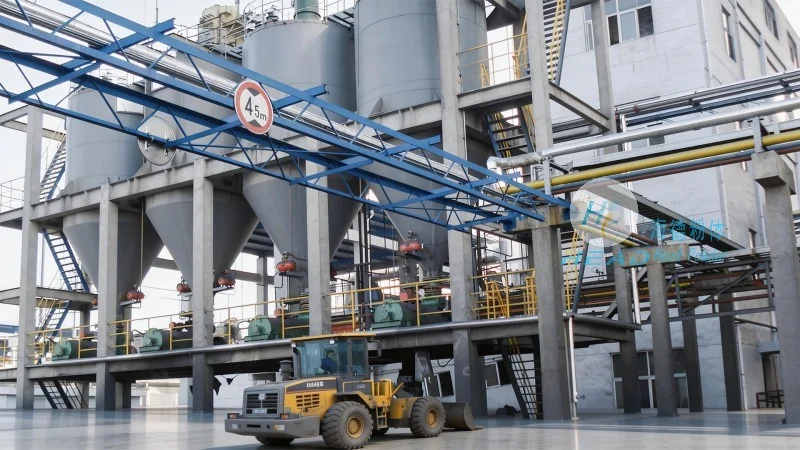
Technical Advantages in Sugar Processing
HeadPowder's sugar powder conveyors offer several technical advantages that enhance efficiency and product quality in sugar processing. These include low maintenance requirements, as the systems are designed with durable materials that resist corrosion and wear from sugar particles. The conveyors also feature adjustable flow rates, allowing operators to control the speed of sugar transport based on production needs. Furthermore, the systems are equipped with dust suppression mechanisms to ensure a clean and safe working environment. These features collectively contribute to improved operational efficiency and reduced downtime in sugar processing facilities.
Application Examples in Sugar Industry
Real-world applications of sugar powder conveyors in the sugar industry illustrate their effectiveness. For instance, in a sugar refinery, a pneumatic conveyor system is used to transport raw sugar from storage silos to a grinding unit, where it is converted into fine powder. The conveyor ensures that the sugar particles are moved without clumping or loss, maintaining the quality of the final product. Another example is in a sugar packaging plant, where a mechanical conveyor system is used to move packaged sugar from the production line to storage racks. The system's ability to handle large volumes of sugar efficiently supports high production throughput. These applications highlight the versatility and reliability of sugar powder conveyors in different stages of sugar processing.




