Understanding the principles and characteristics of magnesium silicate powder conveying is crucial for industries that rely on efficient material handling. This article explores the technical aspects of transporting this specific powder, highlighting key factors that influence its movement and the operational environments where such systems are commonly employed.
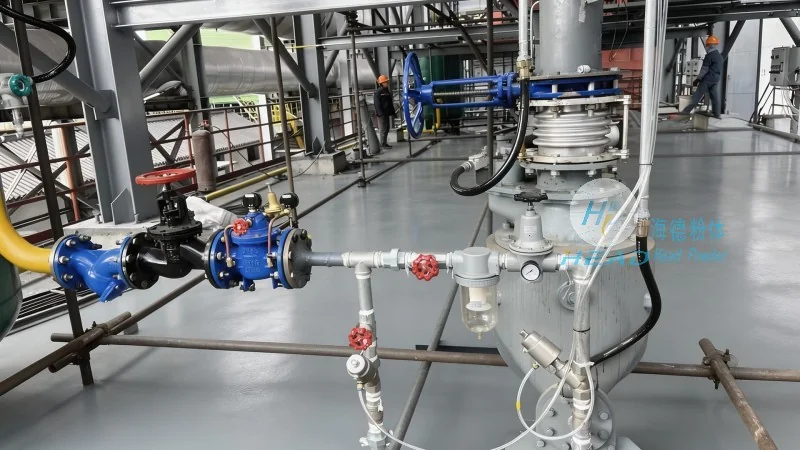
Introduction to Magnesium Silicate Powder
Magnesium silicate, often found in forms like talc or pyrophyllite, is a versatile mineral used in various industrial applications. Its fine particle structure and chemical properties make it essential in sectors such as cosmetics, pharmaceuticals, and construction. However, the unique characteristics of this powder—like its tendency to agglomerate or create dust—pose challenges during transportation. Effective conveying systems must address these issues to ensure safety, efficiency, and product integrity.
The Core Principles of Powder Conveying
The fundamental principle of powder conveying involves moving dry, free-flowing materials through a system of pipes or ducts. For magnesium silicate, this typically relies on pneumatic or mechanical methods. Pneumatic conveying uses compressed air to transport particles, while mechanical systems like screw conveyors or belt conveyors rely on physical force. The choice of method depends on factors like particle size, moisture content, and the required conveying distance. In the case of magnesium silicate, pneumatic systems are often preferred due to the material's fine texture and the need to minimize dust exposure.
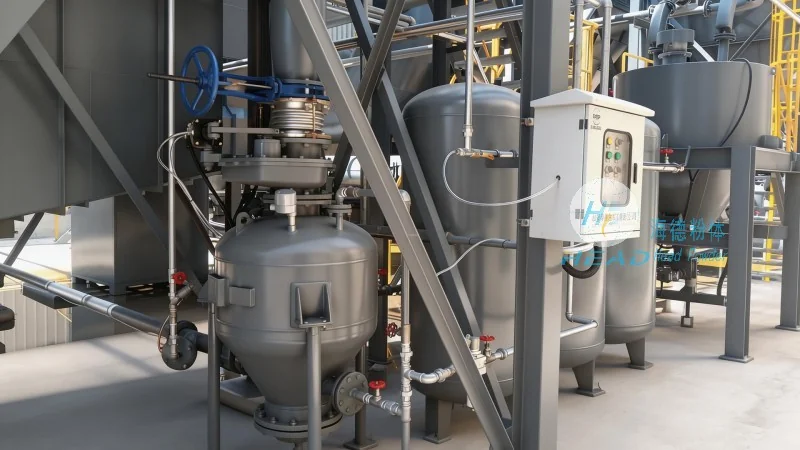
Key Working Scene Characteristics
The operational environment where magnesium silicate powder is conveyed varies widely across industries. For instance, in the cosmetics industry, the powder is often handled in cleanroom settings to maintain product purity. In contrast, construction applications may involve larger-scale, outdoor operations where dust control is critical. These different scenarios demand tailored conveying solutions. For example, in pharmaceutical manufacturing, the system must meet stringent hygiene standards, while in mining or mineral processing, durability and resistance to abrasion are paramount.
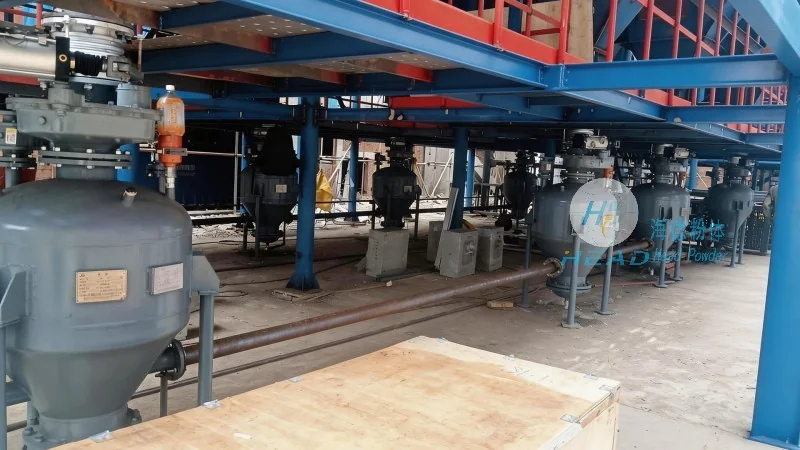
Technical Considerations for Efficient Conveying
Several technical aspects are critical for successful magnesium silicate powder conveying. First, the design of the conveying line must account for the material's flow properties. Magnesium silicate can be prone to bridging or caking, which can block pipes. To prevent this, systems often incorporate vibration or air knives to maintain consistent flow. Second, dust control is a major concern. Proper sealing of the system and the use of filtration equipment are essential to protect both the environment and personnel. Additionally, the choice of equipment materials is important. Since magnesium silicate is abrasive, components like pipes and valves must be made from durable materials such as stainless steel or special alloys to extend their lifespan.
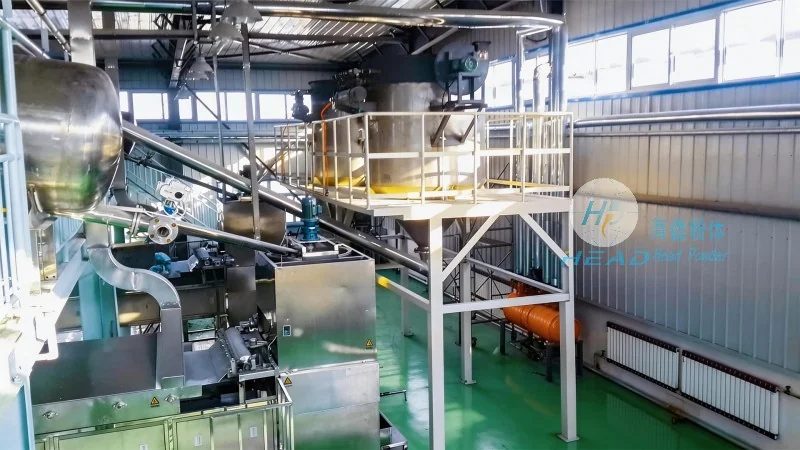
Case Studies and Practical Applications
Real-world applications provide valuable insights into the effectiveness of magnesium silicate powder conveying systems. One example is a cosmetics manufacturer in China that uses a pneumatic conveying system to transport talc from storage silos to production lines. The system has reduced labor costs and improved product consistency by eliminating manual handling. Another case involves a construction company that employs a screw conveyor to move pyrophyllite for wallboard production. The mechanical system is chosen for its reliability in handling large volumes and its ability to operate continuously without frequent maintenance.
Conclusion and Industry Impact
Efficient magnesium silicate powder conveying is essential for optimizing industrial processes and ensuring product quality. By understanding the principles and characteristics of this material, companies can select the most appropriate conveying systems and implement best practices for safe and effective operation. As industries continue to evolve, advancements in powder handling technology will further enhance the efficiency and sustainability of magnesium silicate processing. The expertise of companies like Shandong HeadPowder Engineering Co., Ltd. plays a vital role in developing tailored solutions that meet the specific needs of various applications.




