HeadPowder, a leading engineering company based in Shandong, China, specializes in the design and implementation of advanced pneumatic conveying systems for mineral sand applications. This article explores the fundamental principles of mineral sand pneumatic conveying and highlights the key characteristics of its working scenes, providing a comprehensive overview for industry professionals seeking efficient material handling solutions.
Principles of Mineral Sand Pneumatic Conveying
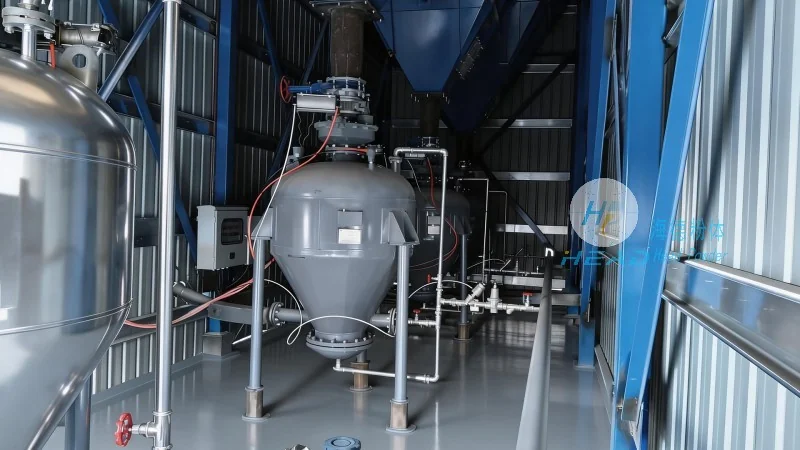
The core principle of pneumatic conveying for mineral sand involves transporting bulk materials through a pipeline using a stream of air or gas. Unlike traditional mechanical conveying methods, such as belt conveyors or bucket elevators, pneumatic systems utilize pressure differentials to move particles. For mineral sands, which often have specific physical properties like particle size, density, and moisture content, the conveying system must be tailored to ensure optimal performance and minimal degradation of the material. The process typically includes a feed hopper, a conveyor line, and a discharge unit, with the air flow controlled by a blower or compressor to maintain the desired pressure and velocity.
Key factors influencing the effectiveness of mineral sand pneumatic conveying include the air velocity, which must be sufficient to lift and transport particles without causing excessive wear on the system components, and the pressure drop along the pipeline, which affects the overall energy consumption. HeadPowder engineers consider these variables meticulously when designing systems, ensuring that the air flow rate and pressure are optimized for the specific characteristics of the mineral sand being handled. This approach minimizes operational costs and maximizes the longevity of the conveying equipment.
Working Scene Characteristics of Mineral Sand Pneumatic Conveying
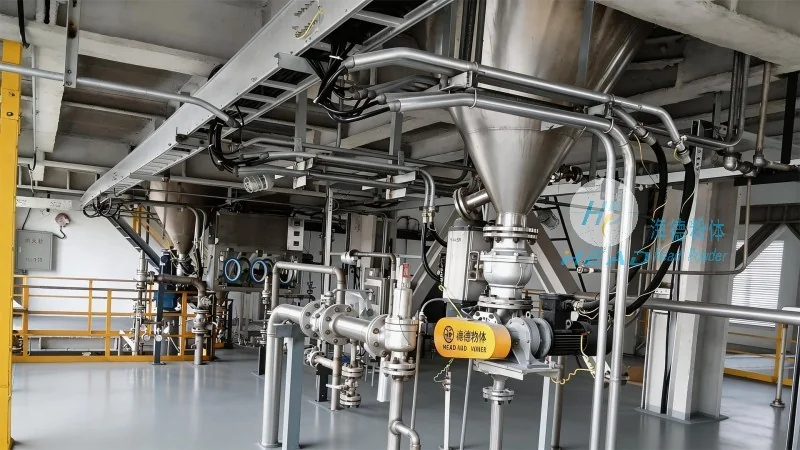
The working scenes where mineral sand pneumatic conveying is applied vary widely, reflecting the diverse needs of industrial and mining operations. In mining environments, these systems are commonly used to transport crushed or ground mineral sand from processing plants to storage facilities or for further processing steps. The ability to handle large volumes of material over long distances makes pneumatic conveying ideal for open-pit mines and underground operations where space constraints and environmental considerations are critical.
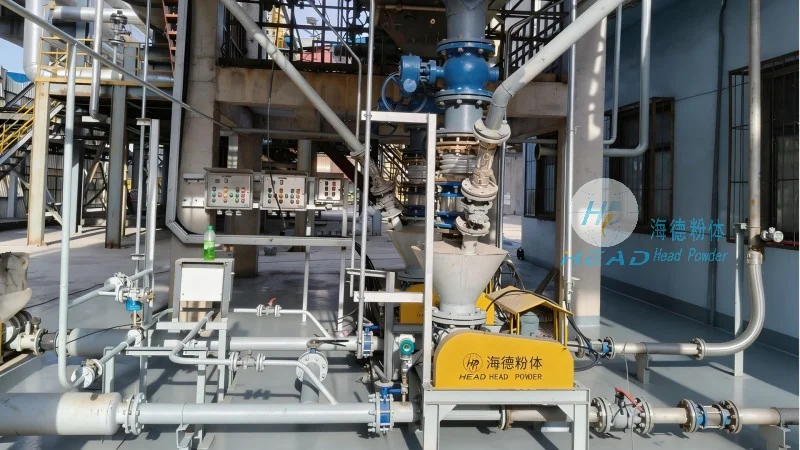
In industrial settings, such as chemical plants, foundries, and cement production facilities, mineral sand pneumatic conveying is employed to transport raw materials or intermediate products. For example, in the production of refractory materials, mineral sand is often conveyed from storage silos to mixing equipment, where it is combined with other ingredients. The flexibility of pneumatic systems allows for easy integration into existing production lines, reducing downtime and improving overall efficiency. Additionally, the enclosed nature of the conveying process helps maintain material quality by preventing contamination from external sources, which is particularly important for high-purity mineral sands used in specialized applications.
Another key characteristic of working scenes is the adaptability of pneumatic conveying systems to different operational conditions. Whether operating in harsh outdoor environments or controlled indoor facilities, these systems can be configured to withstand temperature variations, dust, and moisture. HeadPowder’s expertise in customizing systems ensures that clients receive solutions that are tailored to their specific operational requirements, whether it involves high-capacity transport or precise, low-volume handling. The systems are also designed for easy maintenance, with components that can be accessed and serviced without extensive downtime, further enhancing their practicality in real-world applications.




