

What is a PVC Resin Material Pneumatic Conveying Machine? What are its Design Principles?
In industrial applications involving PVC resin, the selection of appropriate handling equipment is vital for operational efficiency and safety. A PVC resin material pneumatic conveying machine is a specialized system engineered to transport this thermoplastic polymer using air or gas pressure. This article explores the nature of such a machine and examines its fundamental design principles.
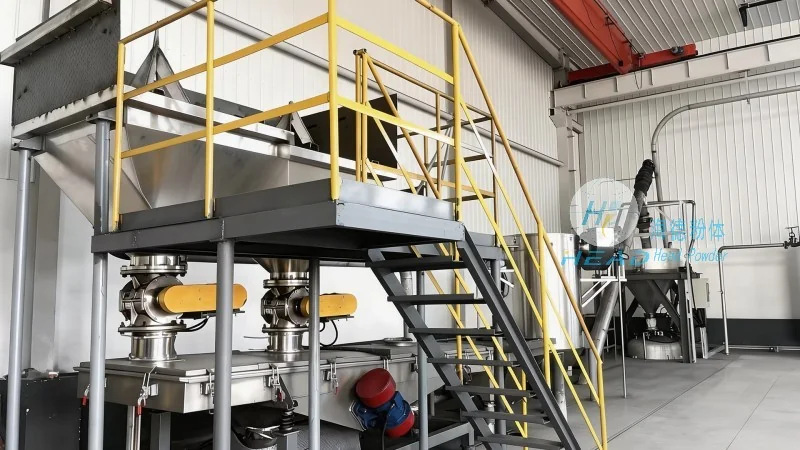
PVC Resin Material Pneumatic Conveying Machine: An Overview
PVC resin, or polyvinyl chloride resin, is a widely utilized polymer across sectors like construction, manufacturing, and packaging. Handling this material requires equipment capable of managing its characteristics, including density, flowability, and dust generation. A pneumatic conveying machine addresses these challenges by utilizing air pressure to move the resin through a closed system, ensuring cleanliness and process control.
Core Components of a PVC Resin Pneumatic Conveying System
At the heart of any PVC resin pneumatic conveying system are several critical components that collaborate to enable effective material transport. These include the material hopper, which stores the PVC resin and allows controlled discharge; the air compressor or blower, which generates the necessary air pressure; the conveying line, typically constructed from corrosion-resistant materials like stainless steel or specialized polymers to withstand interaction with the PVC resin; and control valves and regulators that manage air and material flow. Additionally, a dust collection system may be integrated to capture fine particles, ensuring environmental compliance and workplace safety.
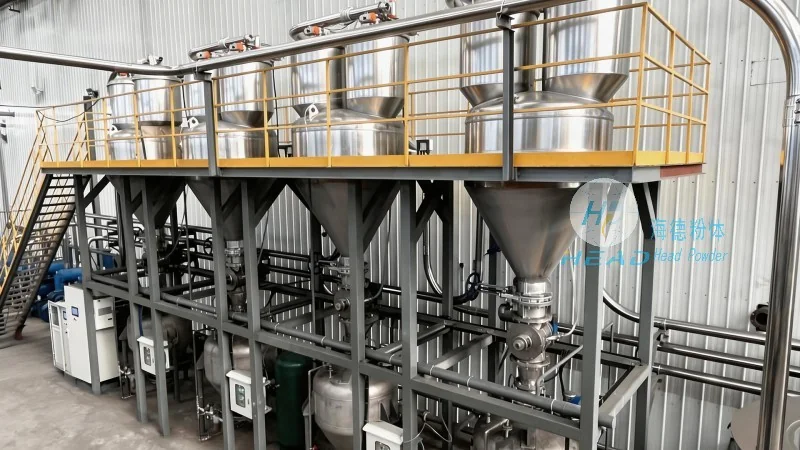
Design Principles for Efficient PVC Resin Pneumatic Conveying
The design of a PVC resin pneumatic conveying machine is guided by several key principles aimed at optimizing performance, reliability, and cost-effectiveness. One primary principle is the selection of appropriate air velocity. The air velocity must be high enough to entrain resin particles but low enough to prevent excessive wear on the conveying line and reduce energy consumption. This balance is crucial for maintaining resin integrity and minimizing operational costs.
Another critical design principle is accounting for material properties. PVC resin can vary in particle size, moisture content, and density, influencing its behavior during transport. Engineers must optimize system components—such as line diameter, air pressure, and hopper design—based on specific resin characteristics. For instance, a system for fine PVC particles may require higher air velocity and smaller line diameters compared to one handling larger chunks.
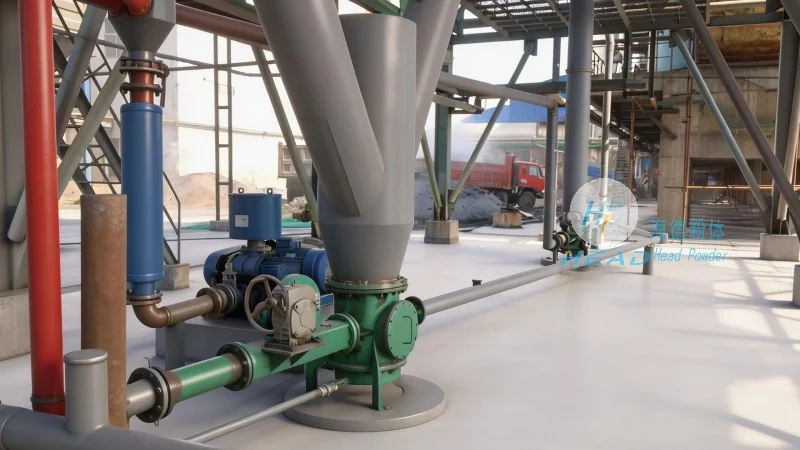
Advantages of Implementing a PVC Resin Pneumatic Conveying Machine
Adopting a pneumatic conveying system for PVC resin offers several advantages over traditional methods like belt conveyors or manual handling. A significant benefit is the closed system operation, which prevents dust contamination and safeguards the environment. This is particularly important for PVC resin, as fine particles can be hazardous if inhaled. Additionally, pneumatic systems enable material transport over longer distances and through complex layouts without multiple transfer points, reducing material loss or degradation risks.
Another advantage is energy efficiency. Pneumatic systems achieve high throughput with relatively low energy consumption compared to other bulk handling methods, making them economical for industries processing large volumes of PVC resin. Furthermore, the system design allows seamless integration with other processing equipment, such as mixing or extrusion machines, streamlining production and improving overall productivity.
Applications and Industries Utilizing PVC Resin Pneumatic Conveying
PVC resin material pneumatic conveying machines are widely employed across industries where PVC is a primary component. In construction, these systems transport resin to facilities producing pipes, windows, and building materials. The food and beverage industry uses them for handling PVC components in packaging machinery. The automotive and electronics sectors rely on such systems to transport PVC parts during assembly and manufacturing.
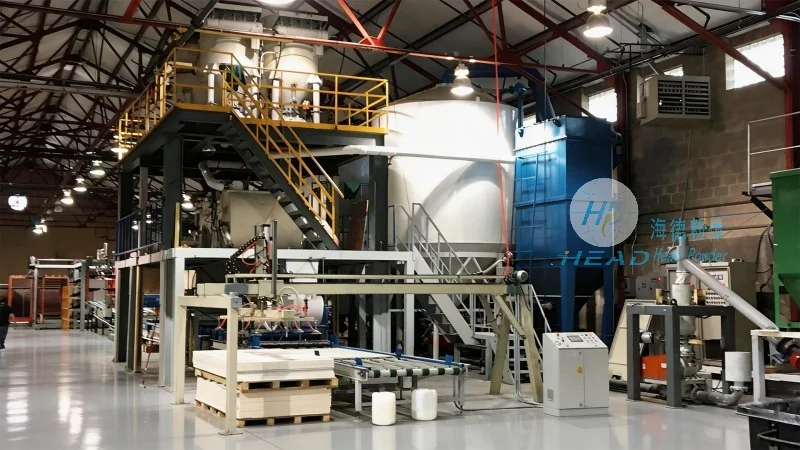
The versatility of these machines makes them suitable for small-scale operations to large industrial plants. Their ability to handle different resin types and particle sizes, combined with efficiency and safety features, has driven growing demand as industries seek reliable bulk material handling solutions. Consequently, the demand for PVC resin pneumatic conveying systems continues to expand as businesses prioritize operational enhancement.
Conclusion: The Significance of Proper Design and Implementation
In summary, a PVC resin material pneumatic conveying machine is a critical asset for industries reliant on PVC resin. Its design, rooted in air pressure principles, material properties, and system integration, ensures efficient and safe transport. The advantages—environmental protection, energy efficiency, and process integration—make it a valuable investment for companies aiming to boost operations. By understanding key components and design principles, businesses can select and implement a pneumatic conveying system tailored to their needs, contributing to overall success.