

What is Alumina Material Pneumatic Conveying Equipment? What are the Design Principles?
Alumina, a vital industrial material used extensively in sectors like ceramics, refractories, and chemicals, often requires efficient handling solutions. Pneumatic conveying equipment serves as a key technology for transporting alumina, offering benefits such as dust-free operation, reduced labor costs, and enhanced process safety. This article explores the fundamentals of alumina material pneumatic conveying equipment, focusing on its design principles and operational characteristics.
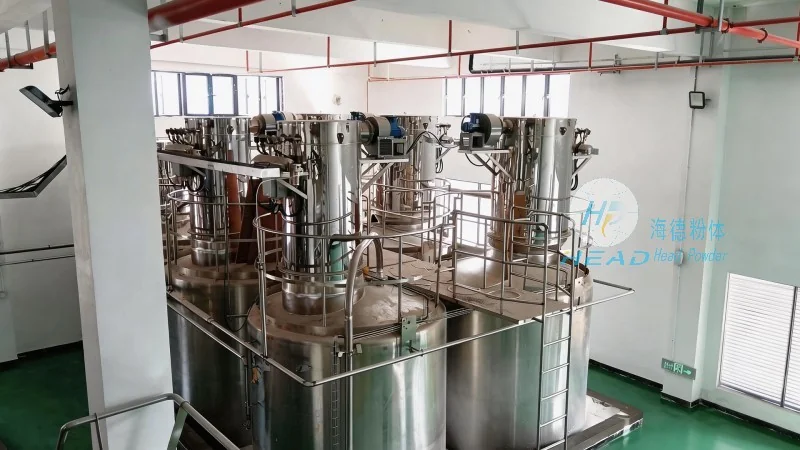
Understanding Pneumatic Conveying Systems for Alumina
Pneumatic conveying systems utilize air or gas to transport bulk materials like alumina through a pipeline network. These systems are classified into dilute-phase and dense-phase types. Dilute-phase systems operate at higher velocities and lower material concentrations, suitable for short distances and low-density materials. Dense-phase systems, conversely, operate at lower velocities and higher material concentrations, ideal for long distances and high-density handling. The selection between these systems depends on material properties, distance, and desired flow rates.
Design Principles of Alumina Pneumatic Conveying Equipment
The design of alumina material pneumatic conveying equipment is guided by critical principles to ensure optimal performance. First, the system must accommodate alumina's physical and chemical properties, including particle size distribution, moisture content, and abrasiveness. Equipment must be constructed from corrosion and wear-resistant materials, as alumina particles can be abrasive and may contain acidic components. Second, consistent air flow rate and pressure are essential for smooth transport, requiring careful selection of air compressors, filters, and pressure regulators. Third, the design must include material separation and cleaning features, such as cyclones or filters, to prevent buildup and maintain efficiency. Finally, safety standards, including explosion-proof designs for potentially flammable or reactive alumina, must be adhered to.
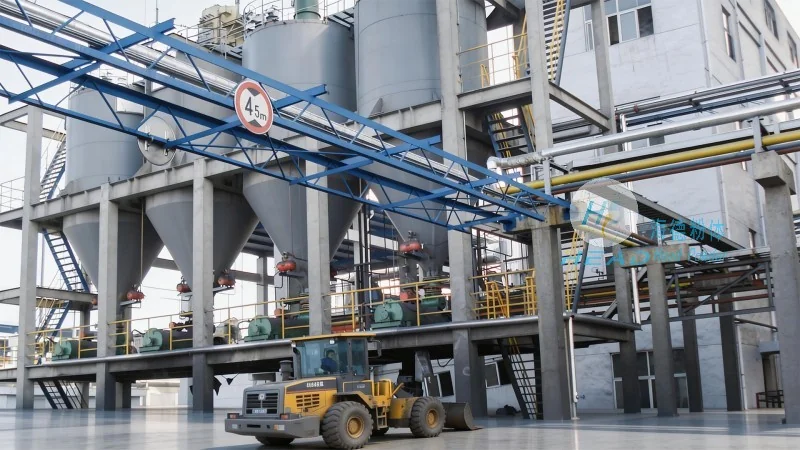
Key Components of Alumina Pneumatic Conveying Systems
Alumina pneumatic conveying systems consist of essential components working in unison for efficient material transport. These include the material feed hopper (storing and feeding alumina), the air compressor (generating air pressure and flow), the conveying line (transporting material-air mixture), the separation equipment (cyclones or filters for material-air separation), and the material discharge hopper (collecting transported alumina). Each component is crucial for system performance, and their design and integration are vital to the conveying process's success.
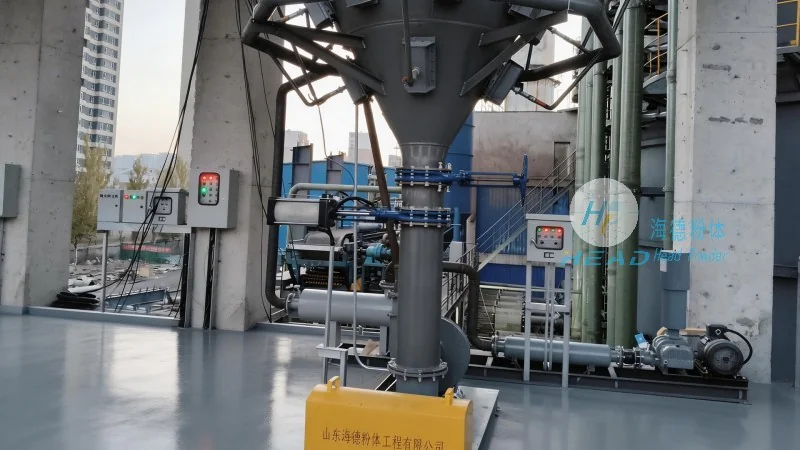
Operational Considerations for Alumina Pneumatic Conveying
Operational considerations are key to maintaining system efficiency and longevity. Regular maintenance, including filter cleaning, component wear checks, and pressure/flow monitoring, is essential. The system must handle material property variations, like changes in particle size or moisture, which affect conveying performance. Safety features, such as pressure relief valves and explosion-proof designs, are also critical to prevent accidents. Proper operator training ensures correct and efficient system operation.
About Shandong HeadPowder Engineering Co., Ltd.
Shandong HeadPowder Engineering Co., Ltd., a leading manufacturer of pneumatic conveying equipment, specializes in customized alumina material handling solutions. With years of industry experience, the company has developed advanced technologies and designs tailored to alumina processing facilities. HeadPowder's equipment is recognized for its durability, efficiency, and reliability, making it a trusted choice for industrial applications. The company's commitment to quality and customer satisfaction has established it as a leading provider of pneumatic conveying solutions in the alumina sector.