

What is a stone material pneumatic conveying system? What are its design principles?
For industries dealing with bulk stone materials, efficient and reliable material handling is crucial. A pneumatic conveying system offers a solution that can transport these materials over long distances with minimal maintenance and operational costs. This article explores the concept of a stone material pneumatic conveying system, detailing its design principles and the technology behind it.
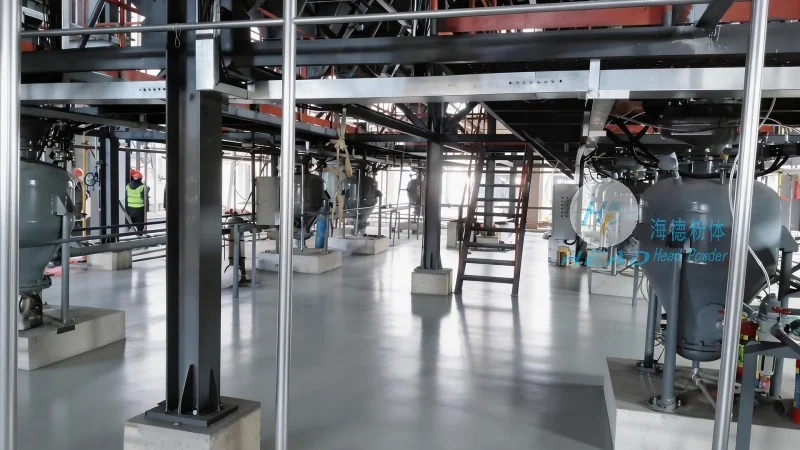
Understanding the Basics of Pneumatic Conveying for Stone Materials
A pneumatic conveying system is a method of transporting solid materials, such as crushed stone, gravel, or sand, using a stream of air or gas. In the context of stone materials, this technology is particularly useful for moving these heavy and abrasive particles from one location to another within a facility or between different sites. The system typically consists of a hopper for material storage, a conveying line, and a receiver for the delivered material. The entire process relies on the force of compressed air to move the material through the system.
Key Design Principles for Stone Material Pneumatic Conveying
The design of a stone material pneumatic conveying system must consider several critical factors to ensure optimal performance and longevity. These principles include the selection of appropriate equipment, the calculation of air flow rates, and the management of material properties. The system's design must also account for the abrasive nature of stone materials, which can cause wear and tear on components if not properly managed.
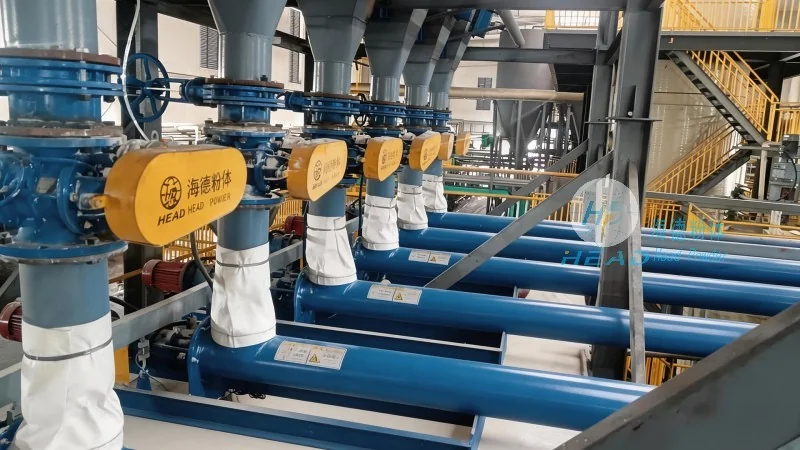
One of the primary design considerations is the choice of conveying method. There are two main types: dilute-phase and dense-phase. Dilute-phase systems use high air velocities to transport material in a suspended state, making them suitable for short to medium distances. Dense-phase systems, on the other hand, use lower air velocities and higher material concentrations, making them ideal for longer distances and more challenging applications. The selection between these two methods depends on the specific requirements of the material handling process, including the distance to be covered and the desired material flow rate.
Component Integration and System Efficiency
Effective pneumatic conveying for stone materials involves the integration of several key components. The hopper, where the material is loaded, must be designed to handle the bulk density and flow characteristics of the stone. The feeder, which controls the material flow into the conveying line, is critical to maintaining a consistent flow rate. The conveying line itself, often made of durable materials like stainless steel or high-grade plastic, must be able to withstand the abrasive nature of the stone and the pressure of the compressed air.
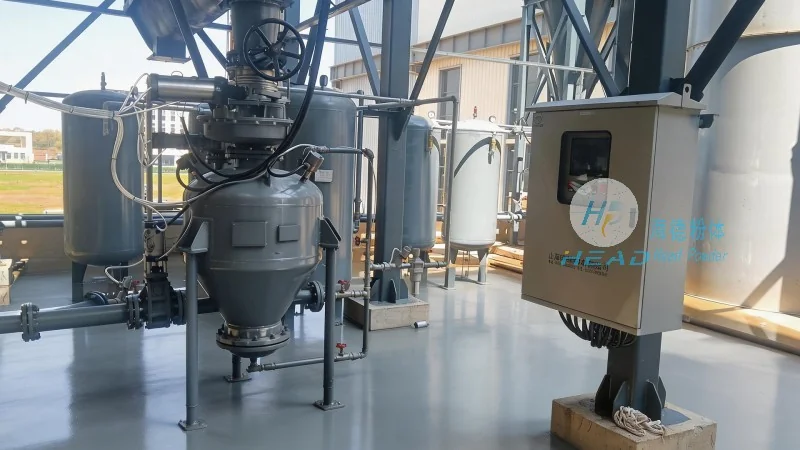
The receiver, where the material is deposited, should be designed to prevent material buildup and ensure easy unloading. Additionally, the system may include filters and cyclones to separate the material from the air stream, ensuring that the air is clean and can be reused or safely discharged. Proper maintenance of these components is essential to maintain system efficiency and prevent downtime.
Applications and Benefits of Stone Material Pneumatic Conveying
Stone material pneumatic conveying systems are widely used in various industries, including construction, mining, and manufacturing. They are particularly beneficial in applications where traditional methods like belt conveyors or trucks are impractical or inefficient. The system offers several advantages, including the ability to transport materials vertically and horizontally, reduced labor costs due to automated operation, and the elimination of material spillage and dust contamination.
For companies operating in the stone processing industry, investing in a well-designed pneumatic conveying system can lead to significant improvements in productivity and operational efficiency. The system's ability to handle large volumes of material with minimal human intervention makes it an attractive option for high-volume operations. Additionally, the system's compact design allows for installation in spaces where traditional conveyors may not fit, making it a versatile solution for various facility layouts.
Conclusion: The Role of Shandong HeadPowder Engineering Co., Ltd. in Pneumatic Conveying Solutions
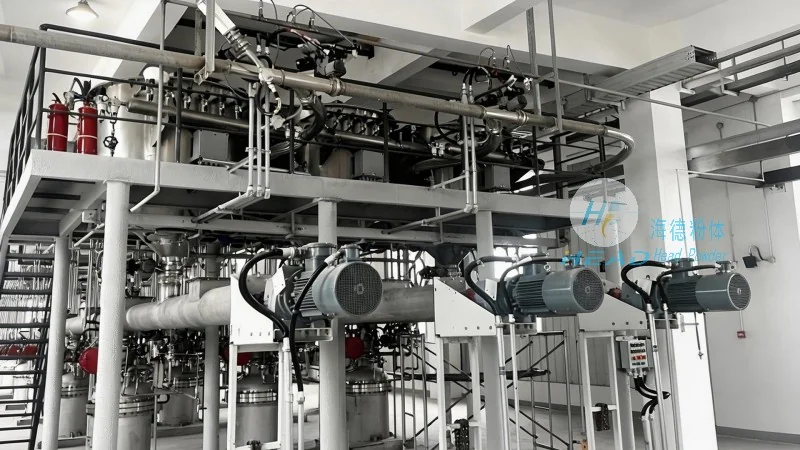
Shandong HeadPowder Engineering Co., Ltd., a leading provider of engineering solutions, specializes in designing and manufacturing pneumatic conveying systems tailored to the needs of the stone processing industry. With a focus on quality and innovation, the company ensures that its systems meet the highest standards of performance and durability. By incorporating the latest design principles and materials, HeadPowder delivers reliable and efficient solutions that help businesses optimize their material handling processes and improve overall productivity.
Whether you are looking to transport crushed stone, gravel, or other bulk materials, a well-designed pneumatic conveying system from HeadPowder can provide the solution you need. The company's expertise in material handling technology, combined with its commitment to customer satisfaction, makes it a trusted partner for businesses seeking to enhance their operational efficiency and reduce costs.