

What is a Coal Powder Material Pneumatic Conveying System? What are the Design Principles?
Coal powder material pneumatic conveying systems represent a critical technology in industrial material handling, particularly for the efficient transport of fine particulate materials like coal powder. These systems utilize the principles of fluidization and gas-solid two-phase flow to move materials through pipelines using compressed air or other gases. The core function is to replace traditional mechanical conveying methods, offering advantages such as reduced equipment wear, lower energy consumption, and enhanced safety in handling potentially hazardous powders.
Key Components and Working Principles
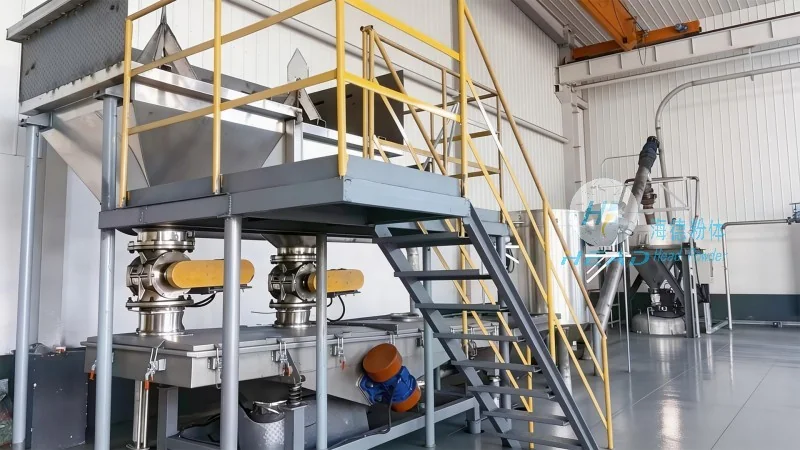
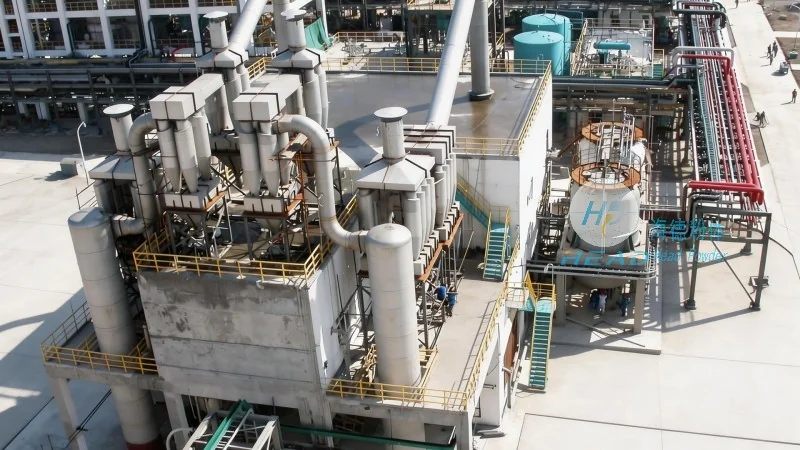
The design of a coal powder pneumatic conveying system typically involves several key components, each playing a vital role in the overall operation. The primary components include a material feeder, a conveying pipeline, a pressure vessel or receiver, and a control system. The material feeder is responsible for accurately dosing the coal powder into the system, ensuring a consistent flow rate. The conveying pipeline, often made of materials like stainless steel or plastic, transports the powder mixture. The pressure vessel or receiver collects the conveyed material and may include features for dust collection and material discharge. The control system monitors and regulates the pressure, flow rate, and other parameters to maintain optimal operation.
Design Principles and Operational Considerations
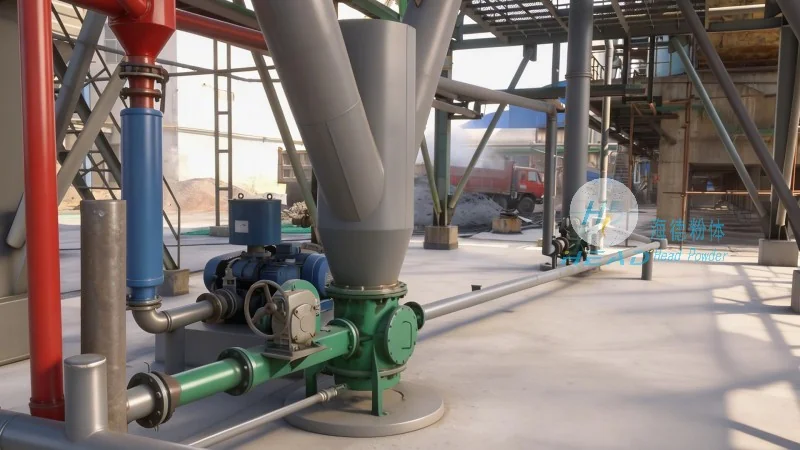
The design principles for coal powder pneumatic conveying systems are based on several fundamental concepts. One of the most important is the selection of the appropriate conveying velocity, which must be sufficient to keep the powder particles suspended in the gas stream and prevent particle deposition or blockage. The velocity is typically determined by the particle size, density, and flow characteristics of the coal powder. Another critical principle is the pressure drop across the system, which affects the energy consumption and overall efficiency. Engineers must carefully calculate the pressure drop to ensure the system operates within the capabilities of the air compressor or other gas source. Additionally, the system design must consider factors such as material compatibility, pipeline diameter, and the need for any auxiliary equipment like cyclones or filters to manage dust and ensure environmental compliance.
About Shandong HeadPowder Engineering Co., Ltd.
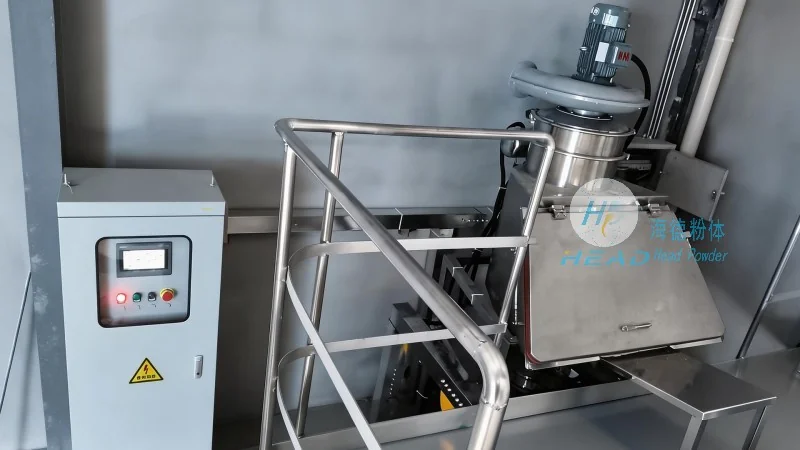
Shandong HeadPowder Engineering Co., Ltd., commonly known as HeadPowder, is a leading provider of industrial material handling solutions, specializing in the design, manufacturing, and installation of coal powder pneumatic conveying systems. With a strong focus on innovation and customer satisfaction, HeadPowder has established itself as a trusted partner in the industry. The company is headquartered in Shandong, China, where it leverages advanced technology and expertise to deliver high-quality, reliable systems tailored to the specific needs of clients. HeadPowder's commitment to quality and efficiency has made it a preferred choice for businesses seeking to optimize their material handling processes and improve operational performance.