

What is a Slurry and Powder Pneumatic Conveying System? And What Are Its Design Principles?
Slurry and powder pneumatic conveying systems are advanced industrial solutions designed to transport particulate materials, including powders and slurries, through a pipeline using pressurized air or gas. These systems are widely used across various industries such as mining, chemical processing, food processing, and pharmaceuticals, offering efficient, flexible, and often dust-free material handling compared to traditional methods like belt conveyors or trucks. Developed by Shandong HeadPowder Engineering Co., Ltd., a leading provider of industrial material handling solutions based in Shandong, China, these systems are engineered to meet the diverse needs of modern manufacturing processes.
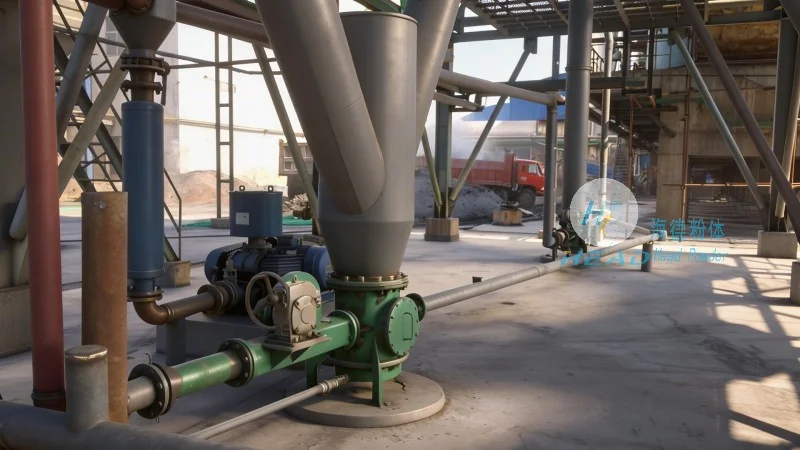
Introduction to Slurry and Powder Pneumatic Conveying Systems
A slurry and powder pneumatic conveying system operates by creating a flow of air or gas within a pipeline, which then carries the solid particles through the system. The system typically consists of a blower or compressor to generate the necessary pressure, a hopper or feeder to introduce the material, a pipeline network, and a receiver or discharge point. The design of such a system must consider several key factors to ensure optimal performance, including the characteristics of the material being conveyed, the system's operating pressure, and the required flow rate.
Key Components of a Pneumatic Conveying System
The core components of a slurry and powder pneumatic conveying system include the following:
- Blower or Compressor: Provides the motive force by generating pressurized air or gas. The choice of equipment depends on the system's pressure requirements and the material's properties.
- Feeder or Hopper: Delivers the material to the pipeline. For powders, a screw feeder or rotary valve may be used, while slurries often require a pump or slurry feeder to maintain consistent flow.
- Pipeline: The main conduit for transporting the material. The material's characteristics, such as particle size, density, and moisture content, influence the pipeline's diameter, material, and layout.
- Receiver or Discharge Point: Collects the conveyed material at the destination. This may include a hopper, silo, or processing equipment, and is designed to handle the material's properties to prevent blockages or spillage.
- Control System: Monitors and regulates the system's operation, including pressure, flow rate, and material level. This ensures safe and efficient operation and can include sensors, valves, and automation controls.
Design Principles for Efficient Pneumatic Conveying
The design of a slurry and powder pneumatic conveying system is critical to its performance and longevity. Several key principles guide the engineering process:
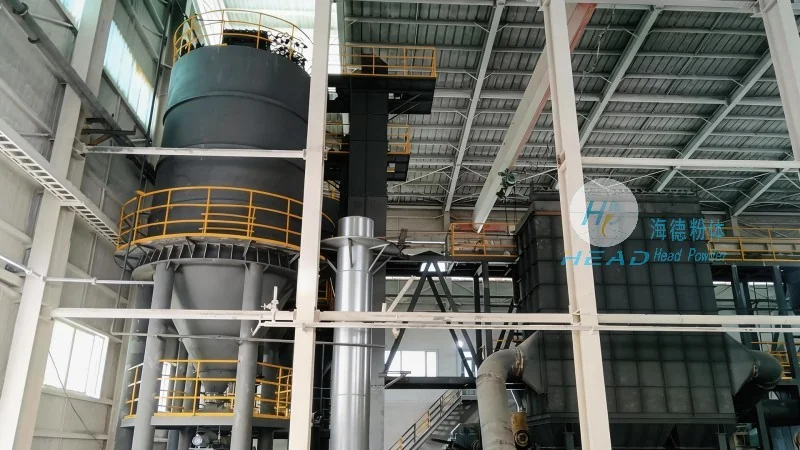
First, the system's operating pressure must be determined based on the material's properties. For example, cohesive or high-density materials may require higher pressures to maintain flow, while low-density powders can operate at lower pressures. The pressure drop along the pipeline is a critical factor, as it affects the system's energy consumption and overall efficiency. Engineers use fluid dynamics principles, such as the Ergun equation, to calculate the pressure drop and ensure the system can maintain the required flow rate.
Second, the pipeline layout and diameter are carefully designed to minimize pressure losses and prevent blockages. The pipeline's material (e.g., stainless steel, PVC, or carbon steel) is selected based on the material's corrosiveness and abrasiveness. For abrasive slurries, wear-resistant materials like lined steel or ceramic are often used to extend the system's lifespan.
Third, the feeder and discharge mechanisms are designed to handle the material's characteristics. For powders, a rotary valve or screw feeder can provide consistent material flow, while slurries may require a pump or slurry feeder to maintain a homogeneous mixture. The discharge point is designed to prevent material buildup and ensure smooth transfer to the next process step.
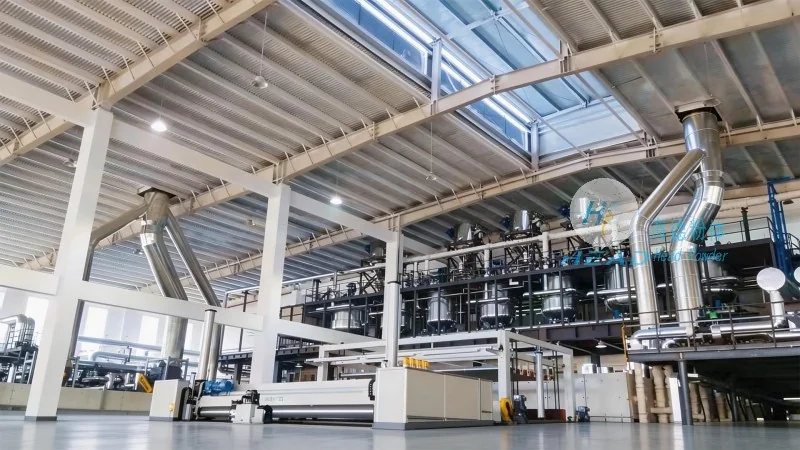
Advantages of Slurry and Powder Pneumatic Conveying Systems
Compared to traditional material handling methods, slurry and powder pneumatic conveying systems offer several advantages:
- Flexibility: The system can be easily reconfigured or expanded to accommodate changes in production volume or material types.
- Space Efficiency: The pipeline layout can be designed to fit into limited spaces, reducing the need for large equipment or storage areas.
- Dust Control: The enclosed pipeline system minimizes dust emissions, improving workplace safety and environmental compliance.
- Energy Efficiency: Modern systems use advanced control technologies to optimize energy use, reducing operational costs.
- Reduced Maintenance: Properly designed systems with wear-resistant components can have lower maintenance requirements compared to mechanical conveyors.
Applications and Industries
Slurry and powder pneumatic conveying systems are used in a wide range of industries, including:
- Mining and Minerals: Transporting ore, tailings, and other mineral powders from processing plants to storage or processing facilities.
- Chemical Processing: Handling powders and slurries in the production of fertilizers, paints, and other chemical products.
- Food and Pharmaceutical: Conveying powders like flour, sugar, or pharmaceutical ingredients in a sanitary, dust-free environment.
- Power Generation: Transporting coal or ash from power plants to storage or disposal sites.
Conclusion
Slurry and powder pneumatic conveying systems are sophisticated industrial solutions that offer efficient, flexible, and safe material handling for a variety of applications. The design principles, including material characteristics, pressure management, and system layout, are critical to ensuring optimal performance. By understanding these principles and working with experienced engineers, industries can select and implement a system that meets their specific needs and operational requirements.