PP material handling systems are specialized equipment and solutions designed to transport, store, and manage polypropylene (PP) materials efficiently. These systems are crucial in various industrial applications, including manufacturing, warehousing, and material processing, where the handling of PP materials requires precision and reliability. The design of such systems focuses on optimizing workflow, ensuring safety, and enhancing productivity in handling PP, a widely used thermoplastic polymer.
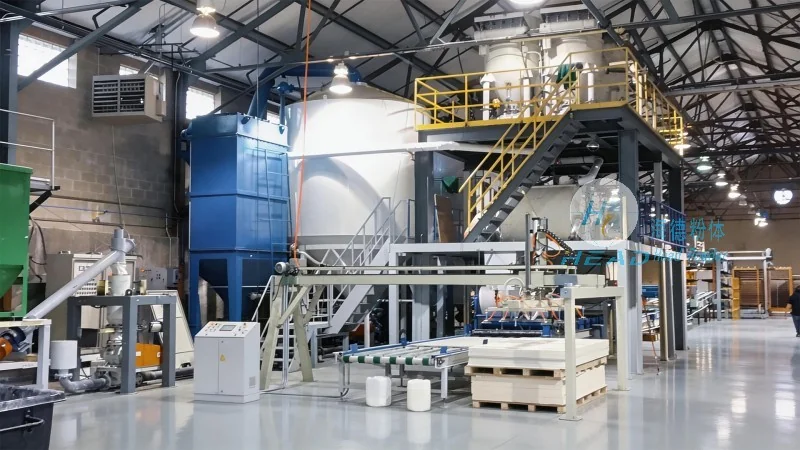
Key Components of PP Material Handling Systems
PP material handling systems typically consist of several key components that work together to facilitate the movement and management of PP materials. These components include conveyors, hoppers, storage bins, feeding mechanisms, and control systems. Conveyors, such as belt conveyors or screw conveyors, are commonly used to transport PP pellets or granules from one location to another. Hoppers and storage bins are essential for storing PP materials, providing a stable and organized space for inventory management. Feeding mechanisms, like vibratory feeders or rotary valves, ensure consistent and controlled material flow into processing equipment. Control systems, often integrated with sensors and automation, monitor and regulate the operation of these components, enhancing system efficiency and safety.
Design Principles for PP Material Handling Systems
The design principles of PP material handling systems are centered on several critical factors that ensure optimal performance and reliability. First, material compatibility is paramount, as the system components must be resistant to the chemical and physical properties of PP, such as its low density and high flexibility. Materials like stainless steel, corrosion-resistant alloys, and specialized plastics are commonly used to construct parts that come into direct contact with PP. Second, durability and wear resistance are essential, as PP materials can cause abrasion and wear on equipment surfaces. Therefore, components like conveyor belts, hoppers, and feeding mechanisms are often made from wear-resistant materials or coated with protective layers to extend their service life. Third, efficiency and flow optimization are key design considerations. The system is designed to minimize material handling time and energy consumption, ensuring smooth and continuous operation. This involves proper sizing of conveyors, appropriate hopper angles for material discharge, and controlled feeding rates to prevent clogging or overloading. Fourth, safety and compliance are integral to the design. Systems incorporate safety features like emergency stop buttons, overload protection, and proper guarding to prevent accidents and ensure adherence to industrial safety standards. Additionally, the design considers environmental factors, such as dust control and material containment, to maintain a clean and safe working environment.
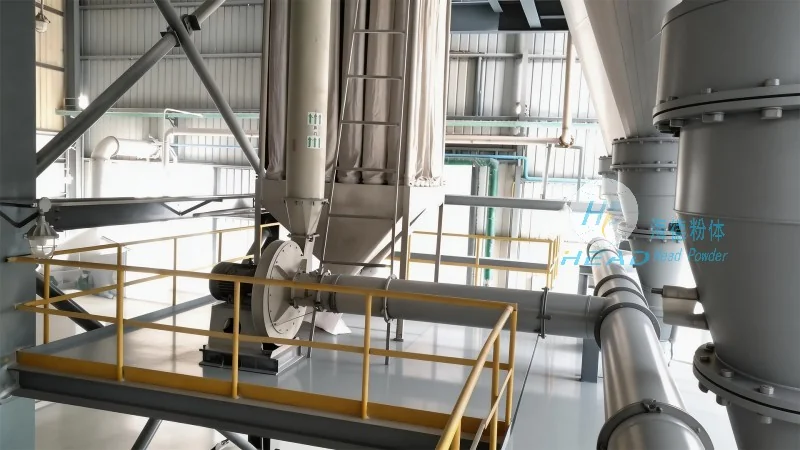
Applications of PP Material Handling Systems
PP material handling systems are widely used in various industries due to the versatility and properties of polypropylene. In the plastics manufacturing industry, these systems are essential for transporting PP pellets from storage to extrusion or molding machines. The systems ensure a steady supply of raw material, reducing downtime and improving production efficiency. In the warehousing and logistics sector, PP material handling systems are used for storing and moving PP products, such as plastic containers or packaging materials. These systems help in organizing inventory, facilitating order picking, and streamlining the distribution process. Additionally, in the chemical and petrochemical industries, PP material handling systems are employed for handling PP-based products, such as plastic pipes or films, ensuring safe and efficient material transfer. The adaptability of PP material handling systems makes them suitable for a range of applications, from small-scale operations to large-scale industrial production.
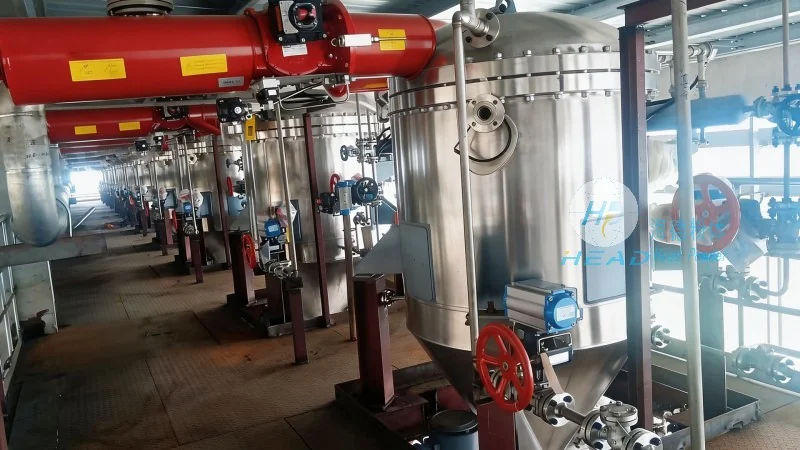
Advantages of Using PP Material Handling Systems
Implementing PP material handling systems offers several advantages that contribute to improved operational performance and cost-effectiveness. First, these systems enhance productivity by automating material handling processes, reducing manual labor and human error. Automated conveyors and feeding mechanisms ensure consistent and reliable material flow, minimizing delays and increasing throughput. Second, PP material handling systems improve safety in the workplace. By automating repetitive and potentially hazardous tasks, such as material transport and storage, the risk of accidents and injuries is significantly reduced. The integration of safety features, like sensors and emergency stops, further enhances workplace safety. Third, these systems contribute to cost savings by reducing material waste and operational costs. Efficient material handling minimizes spillage and loss, while optimized flow reduces energy consumption and maintenance expenses. Fourth, PP material handling systems improve product quality by ensuring consistent material handling. Uniform material flow and controlled feeding rates prevent contamination and ensure that the final product meets quality standards. Additionally, the systems provide better inventory management, allowing for accurate tracking and reduced stockouts.
Conclusion
PP material handling systems are vital components in industries that rely on polypropylene materials. The design principles and components of these systems are tailored to meet the specific needs of handling PP, ensuring efficiency, safety, and reliability. By understanding the key aspects of PP material handling systems, businesses can make informed decisions about implementing such systems to enhance their operational performance and productivity. Shandong HeadPowder Engineering Co., Ltd., a leading provider of material handling solutions, offers comprehensive PP material handling systems that are designed to meet the diverse requirements of industrial applications. With a focus on quality, durability, and safety, these systems help businesses optimize their material handling processes and achieve their operational goals.




