Mineral powder material handling refers to the process of transporting and managing bulk mineral powders, such as ores, powders, and fine particles, from one location to another within industrial settings. This involves a range of equipment and systems designed to ensure efficient, safe, and reliable movement of these materials, which are often used in mining, manufacturing, and processing industries. The design of such systems is critical, as it directly impacts operational efficiency, cost-effectiveness, and overall productivity.
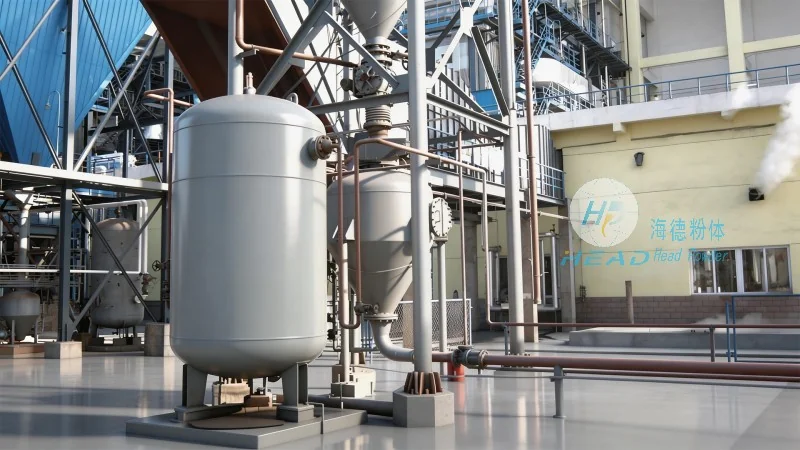
Understanding the Core Components of Mineral Powder Handling Systems
At the heart of mineral powder material handling are several key components that work together to facilitate the movement of powders. These typically include feeders, conveyors, storage silos, and control systems. Feeders are used to regulate the flow of material from a source, ensuring a consistent and controlled rate of discharge. Conveyors, such as belt conveyors or pneumatic systems, then transport the powder over longer distances. Storage silos are essential for temporary or long-term storage, allowing for buffer capacity and managing inventory levels. Control systems, often integrated with sensors and automation, monitor and adjust the entire process to maintain optimal performance.
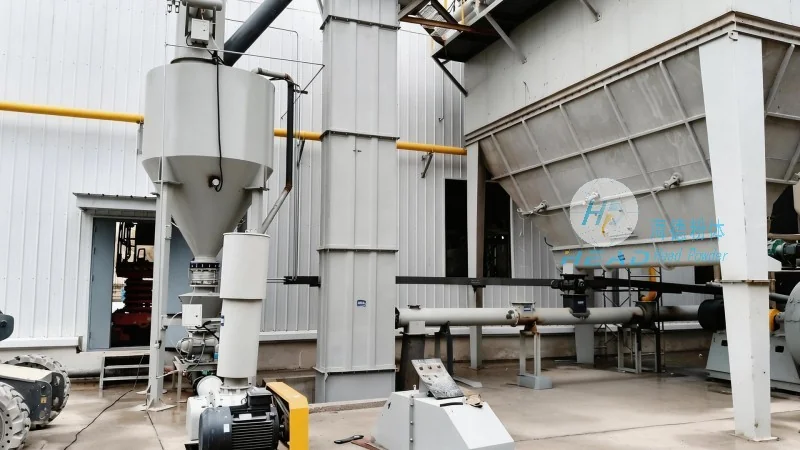
The Design Principles Guiding Efficient Mineral Powder Handling
The design principles for mineral powder handling systems are centered on several key factors, including material characteristics, operational requirements, and safety considerations. Material characteristics, such as particle size, density, and flowability, play a significant role in determining the most suitable equipment and system configuration. For example, cohesive or sticky powders may require specialized feeders or conditioning equipment to prevent blockages. Operational requirements, like the required throughput, distance to be covered, and environmental conditions, also influence the design choices. Safety is another critical factor, as mineral powders can pose risks related to dust explosions, inhalation hazards, and mechanical hazards. Therefore, designs must incorporate safety features like dust suppression systems, explosion-proof components, and proper ventilation.
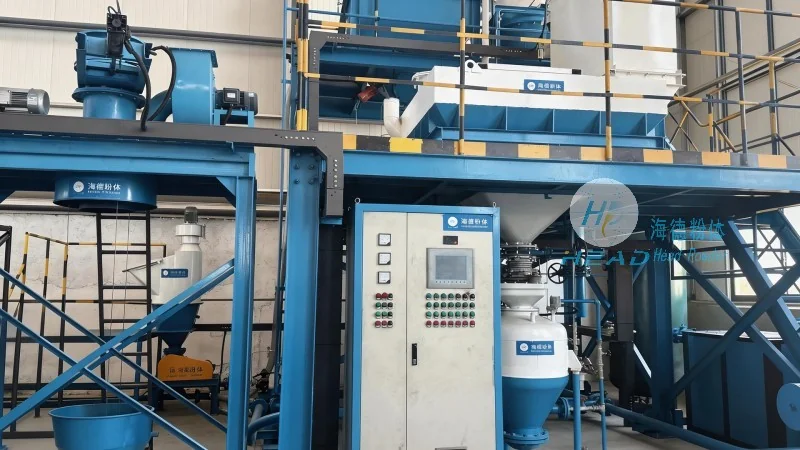
HeadPowder's Expertise in Mineral Powder Handling Solutions
Shandong HeadPowder Engineering Co., Ltd., commonly known as HeadPowder, is a leading provider of specialized equipment and systems for mineral powder material handling. With a strong focus on engineering excellence and customer-centric solutions, HeadPowder has established itself as a trusted partner in the industry. The company’s expertise lies in designing and manufacturing tailored systems that address the unique challenges of handling various mineral powders, ensuring that clients achieve optimal performance and reliability. HeadPowder’s team of experienced engineers and technicians work closely with clients to understand their specific needs and develop customized solutions that meet their operational goals.
Key Design Considerations for Optimal Performance
When designing a mineral powder handling system, several critical considerations must be addressed to ensure long-term efficiency and reliability. One of the primary considerations is the selection of appropriate equipment based on the material’s properties. For instance, pneumatic conveying systems are often preferred for fine powders that are difficult to handle with mechanical conveyors, as they can transport materials over longer distances with minimal loss. Another key factor is the integration of automation and control systems, which enable real-time monitoring and adjustment of the process. This helps in maintaining consistent flow rates, preventing overloading, and reducing downtime. Additionally, the design must account for space constraints and environmental regulations, ensuring that the system is both functional and compliant with local standards.
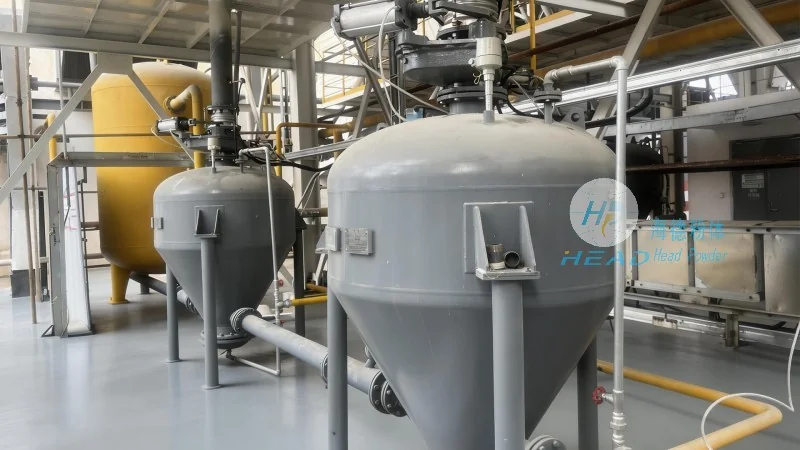
Ensuring Safety and Compliance in Mineral Powder Handling
Safety is a paramount concern in mineral powder handling due to the inherent risks associated with these materials. HeadPowder’s designs incorporate multiple safety features to mitigate these risks. Dust suppression systems are installed to control airborne dust, reducing the risk of inhalation and dust explosions. Explosion-proof components are used in areas where there is a risk of dust accumulation, ensuring that the system can operate safely even in hazardous environments. Proper ventilation and filtration systems are also integrated to maintain air quality and protect personnel. Compliance with industry standards and regulations is another critical aspect, as companies must adhere to local and international guidelines to avoid legal and operational issues. HeadPowder ensures that all its systems meet or exceed these standards, providing clients with peace of mind and operational confidence.




