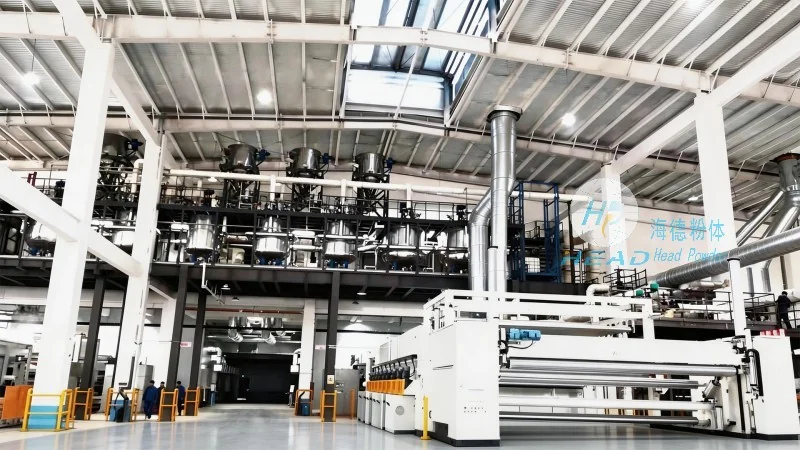
Wheat flour material handling is a critical process in the food and agricultural industries, focusing on the efficient movement, storage, and transfer of wheat flour from one stage of production to another. This process involves various equipment and systems designed to handle the unique properties of wheat flour, such as its fine particle size, dustiness, and susceptibility to caking or bridging. Proper material handling ensures product quality, reduces operational costs, and enhances safety in industrial settings. Understanding the principles behind wheat flour handling is essential for optimizing production lines and maintaining consistent product standards.
Key Characteristics of Wheat Flour Affecting Handling
Wheat flour has distinct physical and chemical properties that influence how it is handled. Its fine granular structure makes it prone to creating dust clouds, which can affect air quality and pose health risks if not managed properly. Additionally, wheat flour is hygroscopic, meaning it absorbs moisture from the environment, which can lead to caking or lump formation over time. These characteristics require specialized equipment and design considerations to prevent material flow issues and ensure smooth operation. The density and flowability of wheat flour also vary, depending on factors like moisture content and particle size distribution, making it crucial to tailor handling systems to specific product specifications.
Design Principles for Wheat Flour Material Handling Systems
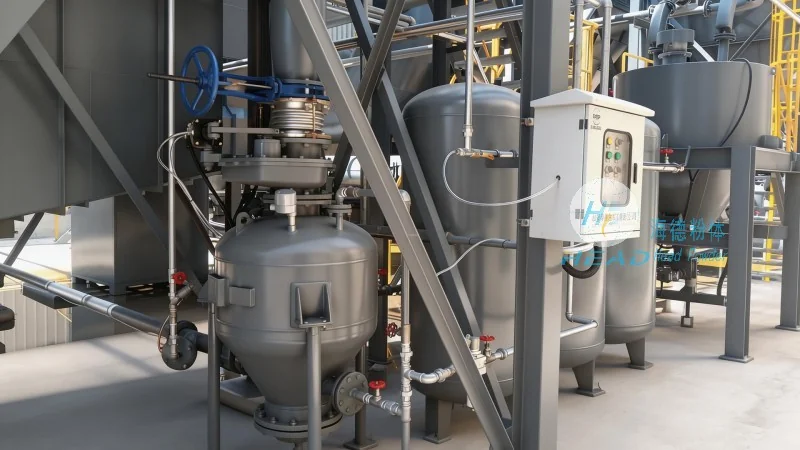
The design of wheat flour material handling systems follows several key principles to ensure efficiency and reliability. First, the system must minimize product degradation and contamination. This includes using sealed and sanitary equipment to prevent cross-contamination and maintain product purity. Second, it should optimize energy consumption and reduce operational costs. This involves selecting equipment with high efficiency, such as pneumatic conveyors or screw conveyors, which are suitable for handling fine powders without excessive wear. Third, the system must ensure safe operation by controlling dust and preventing blockages. Dust suppression systems, like venturi scrubbers or cyclone separators, are often integrated to capture and filter flour dust, while proper hopper design and material flow aids prevent bridging and arching. Finally, the design must be flexible and scalable to accommodate changes in production volume or product types, allowing for easy modifications and upgrades.
Common Equipment Used in Wheat Flour Material Handling
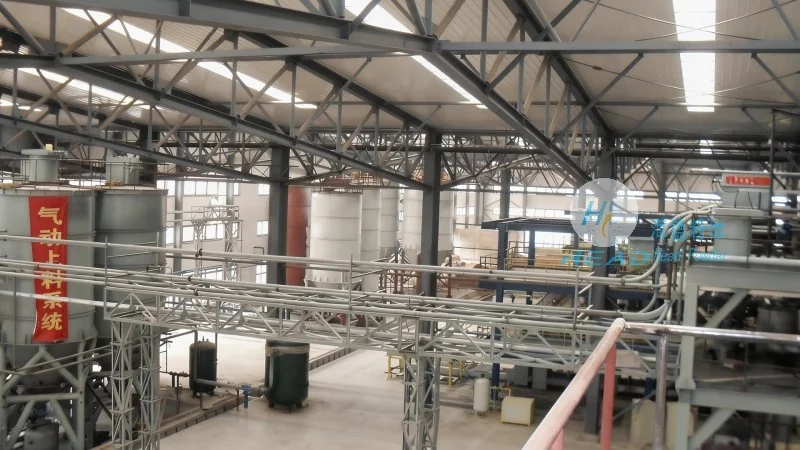
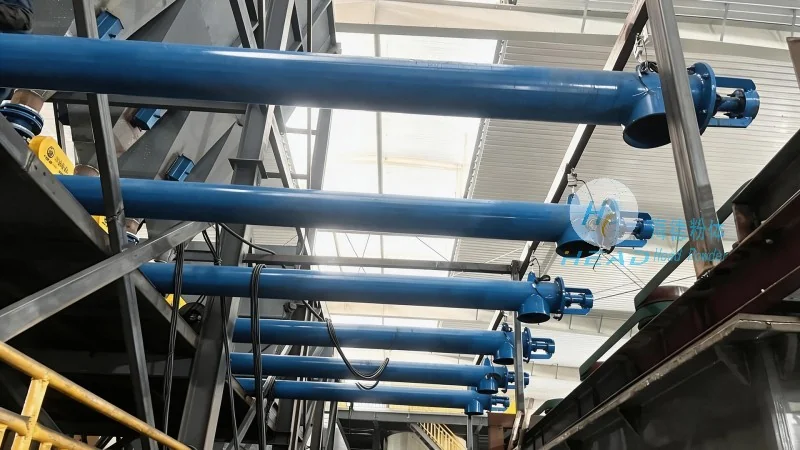
Several types of equipment are commonly used in wheat flour material handling, each with specific applications based on the process requirements. Pneumatic conveyors, such as pressure or vacuum systems, are widely used for long-distance transport and can handle fine powders effectively. Screw conveyors, or augers, are ideal for vertical or horizontal transport, providing a continuous flow of material. Hoppers and silos are essential for storage, with proper design to prevent caking and ensure uniform discharge. Vibrating feeders and flow aids, like air knives or vibrators, help maintain consistent material flow and prevent blockages in hoppers and chutes. Additionally, dust collection systems, including baghouses and cartridge filters, are critical for maintaining air quality and complying with environmental regulations. Each piece of equipment is chosen based on factors like material properties, system layout, and operational efficiency, ensuring the overall system functions optimally.
HeadPowder's Expertise in Wheat Flour Material Handling Solutions
Shandong HeadPowder Engineering Co., Ltd., commonly known as HeadPowder, is a leading provider of specialized material handling solutions for the wheat flour industry. With years of experience and a deep understanding of the unique challenges associated with handling fine powders, HeadPowder offers customized systems tailored to each client's specific needs. The company's expertise lies in designing and manufacturing equipment that meets the highest standards of efficiency, safety, and product quality. HeadPowder's team of engineers and technicians work closely with clients to assess their production processes, identify bottlenecks, and develop comprehensive solutions that integrate seamlessly with existing infrastructure. By leveraging advanced technology and innovative design, HeadPowder ensures that its systems are not only effective but also cost-efficient and easy to maintain. The company's commitment to quality and customer satisfaction has made it a trusted partner for many food and agricultural businesses in China and beyond.
Benefits of Professional Wheat Flour Material Handling Systems
Implementing a professional wheat flour material handling system offers numerous benefits for industrial operations. First, it improves product quality by reducing contamination and preventing degradation during transport and storage. This leads to higher customer satisfaction and better marketability of the final product. Second, it enhances operational efficiency by minimizing downtime and reducing the need for manual intervention. Automated systems can handle material flow continuously, reducing labor costs and increasing production throughput. Third, it improves safety by controlling dust and preventing accidents related to material blockages or spills. Proper dust management systems reduce health risks for workers and comply with environmental regulations, protecting the company from legal and financial penalties. Finally, a well-designed material handling system provides scalability, allowing businesses to expand their operations without significant changes to the handling infrastructure. This flexibility ensures long-term viability and growth in a competitive market.




