What is Vacuum Material Handling? What are the Design Principles?
Release time:2026-09-15 19:01:15
name of the company:Shandong Headpowder Engineering Co., Ltd.
telephone:156-6277-7102
contacts:Zhang manager
Understanding vacuum material handling is crucial for industries that require efficient and controlled movement of bulk materials. This technology, also known as negative pressure material conveying, relies on creating a pressure differential to transport powders, granules, and other particulate materials from one location to another. The design principles behind this system are centered on optimizing airflow, maintaining material integrity, and ensuring operational reliability.
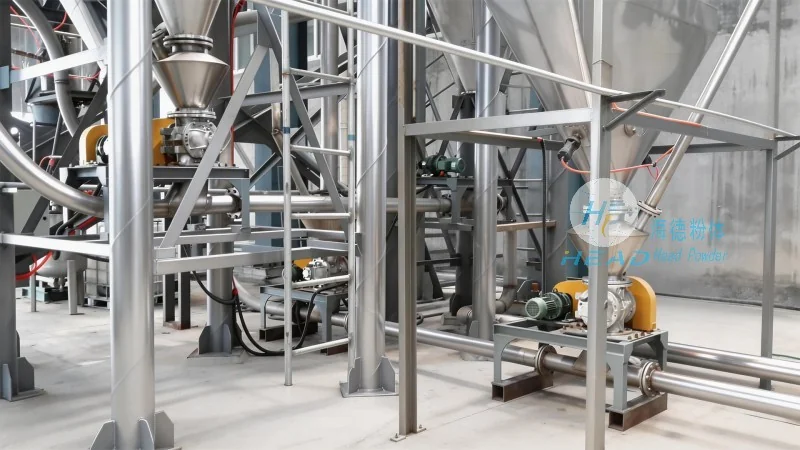
What is Vacuum Material Handling?
Vacuum material handling is a method of transporting bulk materials using a vacuum system. In this process, a vacuum pump creates a low-pressure environment in a conveying line, which draws material from a source container into the system. The material is then transported through pipes to a destination container or processing unit. This technique is widely used in various industries, including pharmaceuticals, food processing, chemicals, and manufacturing, due to its ability to handle fine powders and prevent contamination.
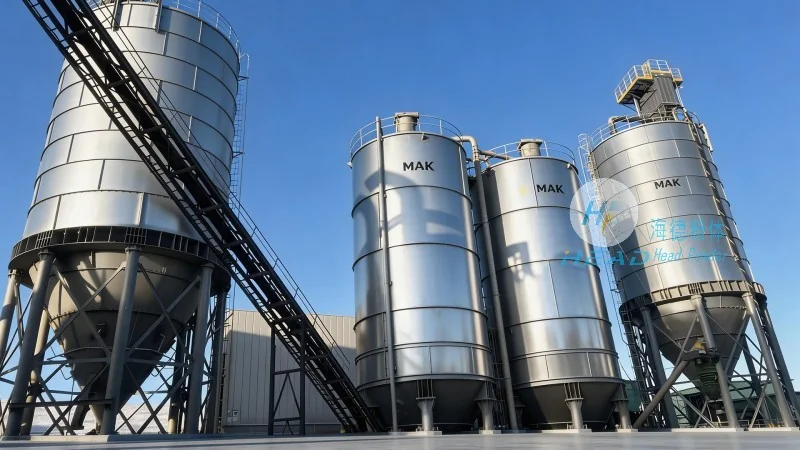
The Core Design Principles of Vacuum Material Handling Systems
The design of a vacuum material handling system involves several key principles that ensure effective and efficient operation. These principles include:
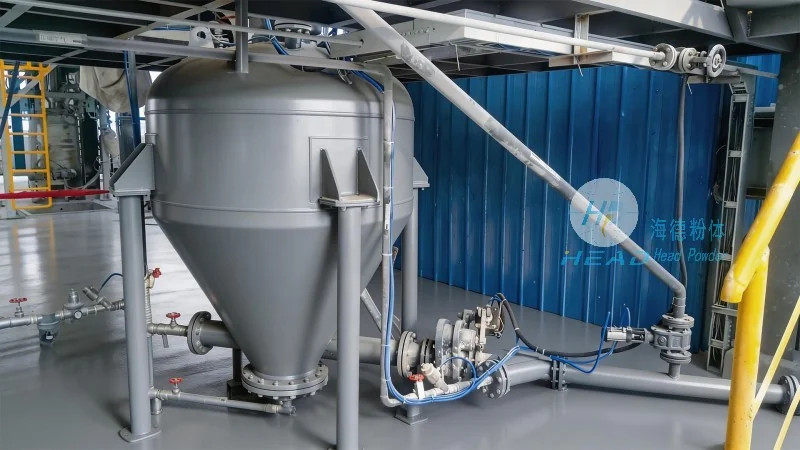
- Pressure Differential and Airflow Management: The system must maintain a sufficient pressure difference between the source and destination to achieve the desired material flow rate. Proper airflow design prevents blockages and ensures consistent material transport.
- Material Compatibility: The components of the system, such as pipes, valves, and containers, must be compatible with the specific material being handled. This includes considering factors like particle size, moisture content, and chemical properties to avoid degradation or equipment damage.
- System Efficiency and Energy Consumption: Designing for energy efficiency is critical. This involves selecting the appropriate vacuum pump size, optimizing pipe diameters, and minimizing pressure losses to reduce operational costs and environmental impact.
- Safety and Containment: Vacuum systems must incorporate safety features to prevent dust emissions and ensure operator safety. This includes proper sealing, filtration, and emergency shut-off mechanisms to comply with industrial safety standards.
Key Components and Their Roles in the System
A typical vacuum material handling system consists of several essential components, each playing a vital role in the overall operation:
- Vacuum Pump: The heart of the system, the vacuum pump generates the necessary negative pressure to draw material into the conveying line. Different types of pumps, such as rotary vane or roots blowers, are chosen based on the system's requirements for flow rate and vacuum level.
- Conveying Line (Pipes): The pipes form the path for material transport. They are typically made of materials like stainless steel or PVC, selected for their durability and resistance to the handled materials. The diameter and length of the pipes are carefully designed to minimize pressure drop and ensure smooth material flow.
- Valves and Controls: Valves regulate the flow of material and air within the system. These include inlet and outlet valves, check valves, and control valves that allow for precise control over the conveying process. Automated control systems may also be integrated to optimize operation and reduce human error.
- Material Containers: The source and destination containers are designed to connect to the system and hold the material. These containers often feature airtight seals and discharge mechanisms to facilitate material transfer and prevent contamination.
Applications and Benefits of Vacuum Material Handling
Vacuum material handling is employed in a wide range of applications across various industries. Its benefits include:
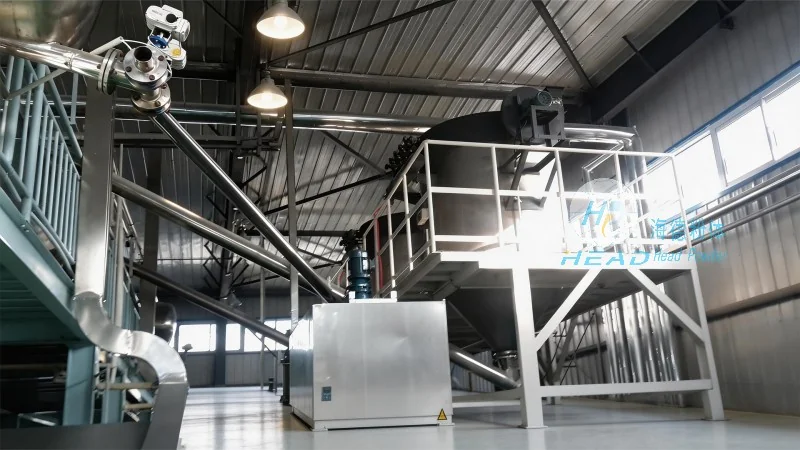
- Efficient Material Transport: The system can transport materials over long distances with minimal energy consumption, making it ideal for large-scale operations.
- Prevention of Contamination: By maintaining a closed system, vacuum conveying prevents cross-contamination and protects the material from external factors like dust or moisture.
- Reduced Downtime: The design allows for easy maintenance and cleaning, reducing downtime and increasing overall productivity.
- Flexibility: The system can be adapted to handle different types of materials and can be scaled up or down based on production needs.
Conclusion: The Importance of Proper Design and Implementation
Effective vacuum material handling relies on a well-designed system that considers the specific requirements of the material and the application. By adhering to the core design principles and selecting appropriate components, industries can achieve efficient, reliable, and safe material transport. Companies like Shandong HeadPowder Engineering Co., Ltd. specialize in providing customized vacuum material handling solutions tailored to meet the unique needs of their clients, ensuring optimal performance and operational success.




