Understanding the equipment used for transporting sodium hydroxide powder is crucial in various industrial applications. This article delves into the specifics of such equipment, focusing on its design principles and operational aspects. The primary goal is to provide a comprehensive overview that caters to professionals seeking reliable solutions for handling this caustic substance.
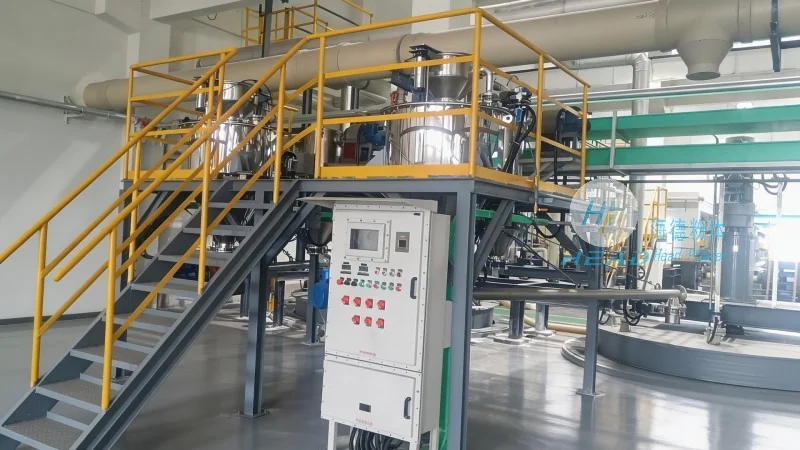
About HeadPowder Engineering Co., Ltd.
HeadPowder, a leading manufacturer based in Shandong, China, specializes in engineering solutions for material handling. With a strong commitment to quality and innovation, the company has established itself as a trusted provider of equipment tailored to the needs of chemical processing industries. The company’s headquarters is located in Shandong, where it conducts research, development, and manufacturing to meet global standards.
Design Principles of Sodium Hydroxide Powder Handling Systems
The design of sodium hydroxide powder material handling equipment involves several critical considerations to ensure safety, efficiency, and durability. First, the equipment must be constructed from materials that are resistant to corrosion, as sodium hydroxide is a highly caustic substance that can degrade many metals over time. Common materials used include stainless steel, particularly grades like 316 or 316L, which offer excellent resistance to chemical attack. Additionally, the design incorporates features to prevent dust accumulation and leakage, as these can lead to safety hazards and equipment failure.
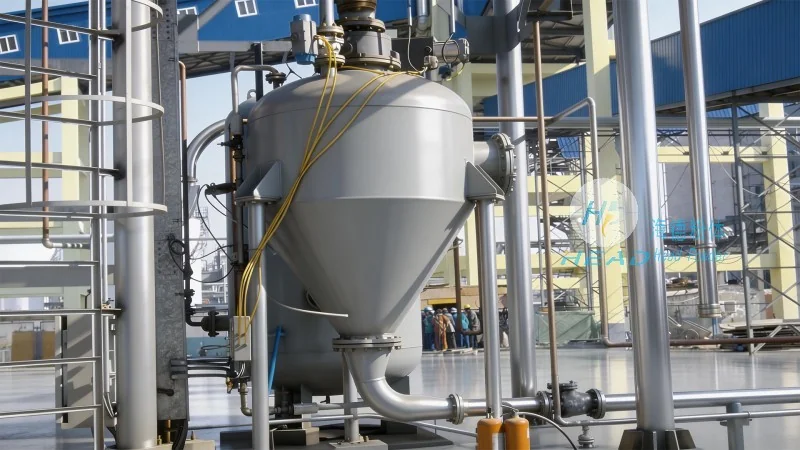
Another key design principle is the integration of dust control measures. Sodium hydroxide powder is fine and can become airborne easily, posing respiratory risks and environmental concerns. Therefore, equipment such as hoppers, conveyors, and storage silos are equipped with sealed designs and dust collection systems. These systems may include filters, cyclones, or other air purification components to capture and contain the powder, ensuring a safe working environment. The design also emphasizes the use of smooth surfaces and minimal crevices to facilitate cleaning and prevent material buildup, which is essential for maintaining equipment performance and compliance with safety regulations.
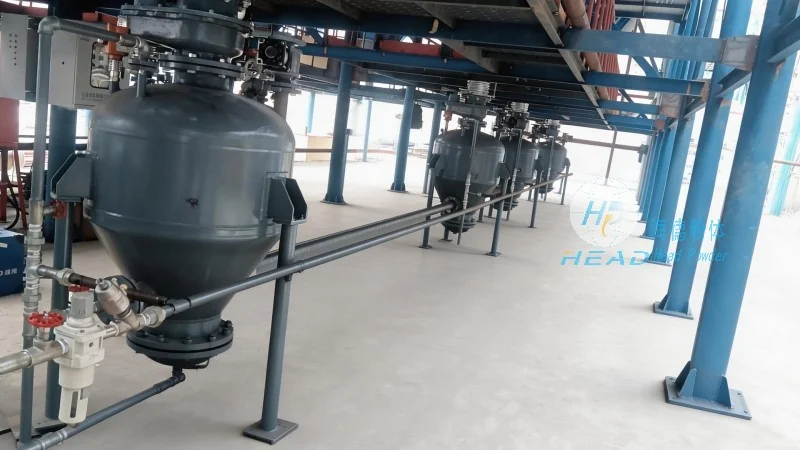
Efficiency is another critical factor in the design of these systems. The equipment must be able to handle the bulk volume of sodium hydroxide powder while minimizing energy consumption and downtime. This is achieved through the use of robust conveyor mechanisms, such as screw conveyors or pneumatic systems, which are optimized for the specific characteristics of the powder. The design also considers the flow properties of the material, including its density, moisture content, and flowability, to ensure smooth and consistent transport. For example, some systems may incorporate vibrators or agitators to prevent caking or bridging, which can occur with certain powders and disrupt the handling process.
Furthermore, the design prioritizes safety features to protect operators and the surrounding environment. This includes the incorporation of emergency shut-off valves, pressure relief devices, and monitoring systems that alert operators to any abnormalities in the system. The equipment is also designed to meet international safety standards, such as those set by the Occupational Safety and Health Administration (OSHA) or the European Union’s Machinery Directive, ensuring compliance with regulatory requirements. The use of explosion-proof components in certain applications is also common, especially in environments where there is a risk of dust explosions.




