For industries dealing with PVC resin, efficient and reliable material handling is crucial. A PVC resin pneumatic conveying system offers a solution that combines technology with practicality, ensuring smooth operations from the source to the destination. This article explores the fundamental aspects of such systems, focusing on their design principles and the role of specialized engineering companies like Shandong HeadPowder Engineering Co., Ltd. from China.
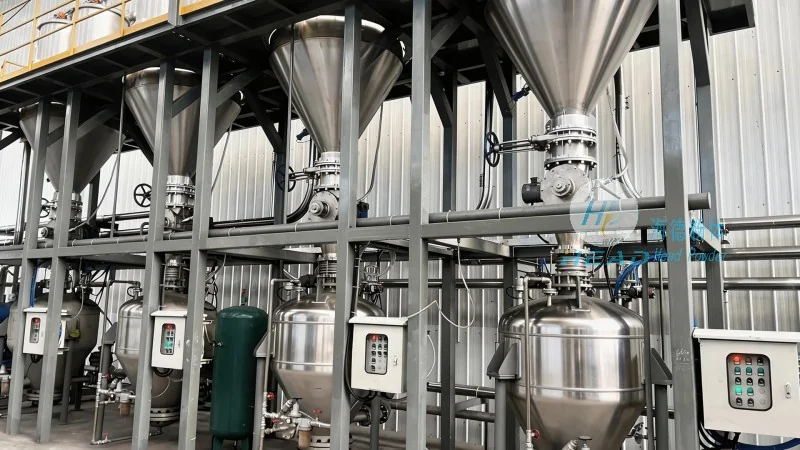
Introduction to PVC Resin Pneumatic Conveying Systems
PVC resin, a widely used polymer in manufacturing, often requires specialized handling due to its granular or powder form. Pneumatic conveying systems provide an effective method to transport these materials through air pressure, eliminating the need for traditional bulk handling equipment like conveyor belts or trucks. The system operates by using compressed air to move the resin particles through a network of pipes, making it ideal for applications where dust control and contamination prevention are critical.
Understanding the Core Function of Pneumatic Conveying Systems
The primary function of a pneumatic conveying system is to transport bulk materials like PVC resin from one location to another using air as the medium. This process involves creating a pressure differential within the system, either by suction (negative pressure) or pressure (positive pressure), to move the material. The choice between these methods depends on factors such as the distance, material characteristics, and the desired flow rate. In the case of PVC resin, which is often sensitive to moisture and contamination, a well-designed system ensures that the material remains in optimal condition throughout the conveying process.
Design Principles Behind PVC Resin Pneumatic Conveying Systems
The design of a PVC resin pneumatic conveying system is based on several key principles that ensure efficiency, safety, and durability. These principles include selecting the appropriate air velocity to prevent material deposition and ensure consistent flow, designing the system layout to minimize pressure losses and energy consumption, and incorporating components that handle the specific properties of PVC resin, such as its density and flow characteristics. Engineers from companies like Shandong HeadPowder Engineering Co., Ltd. in China apply these principles to create customized solutions tailored to each client's needs.
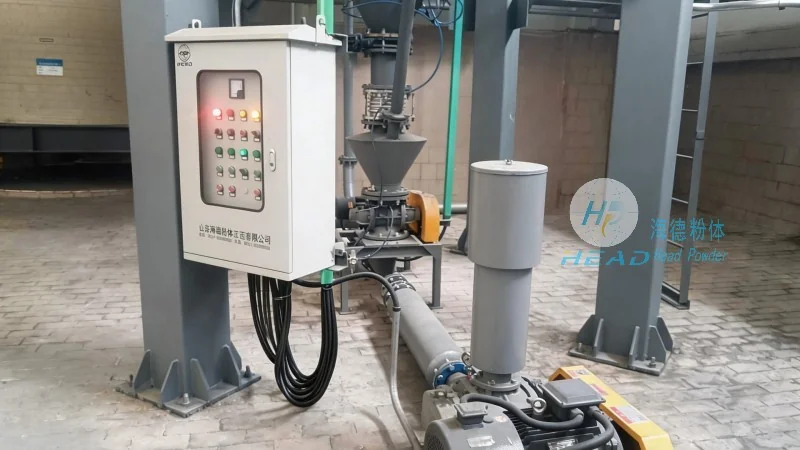
Key Components and Their Roles in the System
A pneumatic conveying system for PVC resin typically consists of several key components, each playing a vital role in the overall operation. These include the material hopper or feeder, which holds the resin and controls the flow rate; the air compressor or blower, which provides the necessary pressure to move the material; the conveying pipes, which transport the resin from the source to the destination; and the receiver or discharge hopper, where the material is collected. Additionally, components like filters, cyclones, and pressure regulators are often included to ensure clean air and maintain system efficiency. The design and selection of these components are critical to the system's performance and longevity.
Operational Mechanisms and How the System Works
When the system is operational, the PVC resin is fed into the hopper, and the air compressor starts, creating a pressure differential. The compressed air then draws the resin particles into the conveying pipes, where they are carried to the receiver. The air velocity is carefully controlled to prevent the resin from settling or clogging the pipes. At the receiver, the air is separated from the resin, often using a cyclone or filter, and the clean air is either vented or recycled back into the system. This process ensures that the resin is delivered to its destination without any loss or contamination, making the system highly efficient for industrial applications.
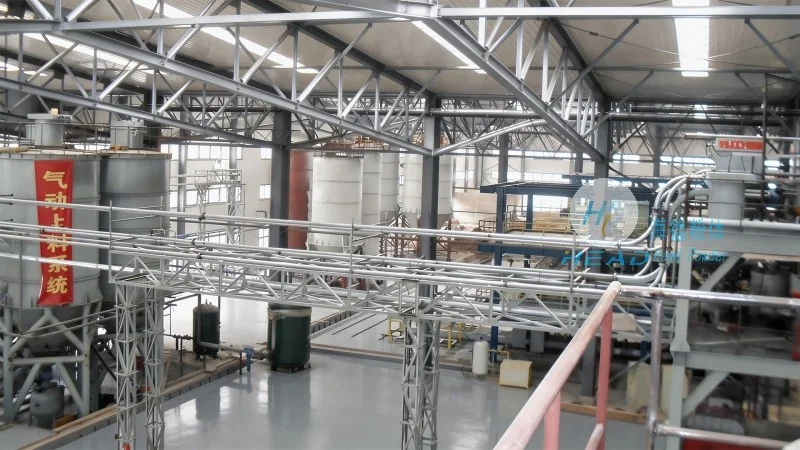
Advantages of Using PVC Resin Pneumatic Conveying Systems
There are several advantages to using a pneumatic conveying system for PVC resin. First, it offers a dust-free and clean operation, which is essential for maintaining product quality and compliance with environmental regulations. Second, the system is flexible and can be easily adapted to different production needs, allowing for changes in material flow rates or destinations. Third, it reduces labor costs by automating the material handling process and minimizing the need for manual handling. Finally, the system is compact and can be installed in various industrial settings, making it a versatile solution for different applications.
Applications and Industries Where This Technology Is Applied
PVC resin pneumatic conveying systems are used in a wide range of industries, including construction, automotive, and manufacturing. In the construction industry, they are used to transport PVC resin for window and door manufacturing. In the automotive industry, they are used to supply resin for plastic parts production. In manufacturing, they are used in various processes where PVC resin is a key component. The system's ability to handle different types of PVC resin and its adaptability to various production environments make it a popular choice among industries that require efficient material handling.
The Role of Shandong HeadPowder Engineering Co., Ltd. in Design and Implementation
Shandong HeadPowder Engineering Co., Ltd., a company based in China, specializes in the design, manufacturing, and installation of pneumatic conveying systems for various materials, including PVC resin. With years of experience in the industry, the company has developed a reputation for providing high-quality, customized solutions that meet the specific needs of its clients. The company's engineers use advanced technology and design principles to create systems that are efficient, reliable, and cost-effective. They work closely with clients to understand their requirements and provide tailored solutions that enhance their production processes. By leveraging their expertise and experience, Shandong HeadPowder Engineering Co., Ltd. helps industries improve their material handling operations and increase overall productivity.




