For industrial applications involving the transport of rubber granules, pneumatic conveying systems offer an efficient and reliable solution. The core principle of these systems revolves around the use of air or gas to move material particles through a pipeline. This method is particularly advantageous for rubber granules due to their size, density, and handling characteristics. By understanding the fundamental mechanisms and components of a rubber granule pneumatic conveying system, users can optimize performance, reduce operational costs, and enhance safety in material handling processes.
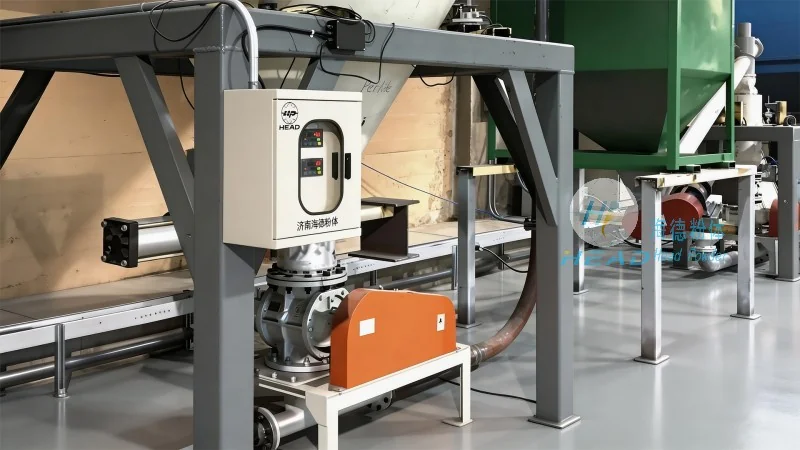
Key Components of a Pneumatic Conveying System
The rubber granule pneumatic conveying system consists of several critical components that work in tandem to achieve material transport. The primary components include the material feed hopper, the air supply system (typically a blower or compressor), the conveying pipeline, and the discharge unit. The feed hopper is designed to store and meter the rubber granules, ensuring a consistent flow into the system. The air supply system generates the necessary pressure or vacuum to move the material through the pipeline. The conveying pipeline, often made of durable materials like stainless steel or plastic, is configured with bends and fittings to guide the material to the discharge point. Finally, the discharge unit, such as a rotary valve or a hopper, collects the conveyed rubber granules and releases them to the next processing stage.
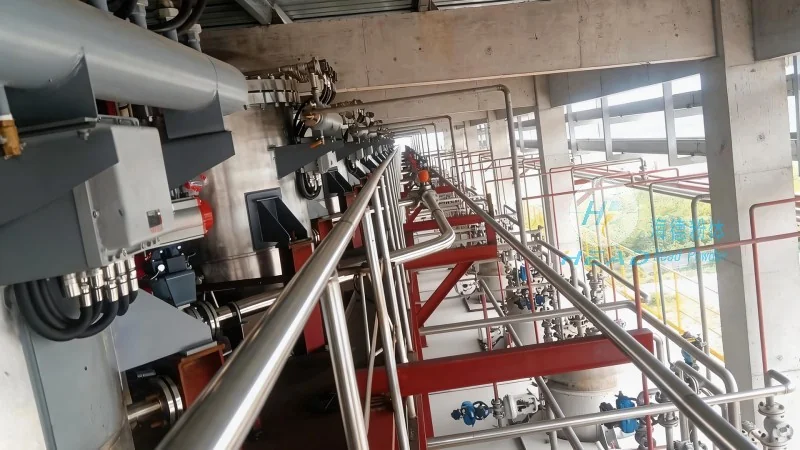
Working Principle of Pneumatic Conveying
The operation of a rubber granule pneumatic conveying system is based on the principles of fluid dynamics and particle motion. In a typical positive pressure system, a blower introduces high-pressure air into the conveying pipeline. As the air flows through the pipe, it entrains the rubber granules, creating a mixture of air and material. The velocity of the air is maintained above the minimum conveying velocity, which is the speed required to keep the granules suspended and prevent deposition. The mixture travels through the pipeline, passing through bends and other obstructions, and is then discharged at the receiving end. The air then passes through a separator, where the rubber granules are separated from the air stream and collected. In a negative pressure (vacuum) system, a vacuum pump creates a low-pressure environment that draws the rubber granules into the pipeline, with the air flow pulling the material towards the discharge point.
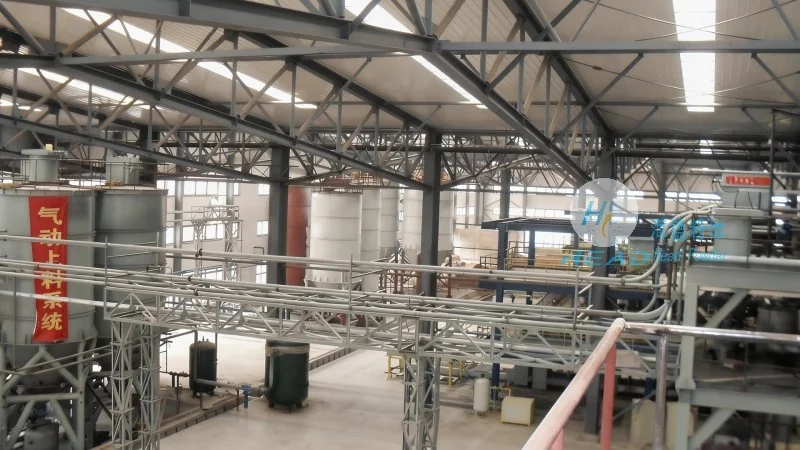
Advantages of Rubber Granule Pneumatic Conveying
Implementing a pneumatic conveying system for rubber granules offers several advantages over traditional mechanical conveying methods. One of the most significant benefits is the ability to transport materials over long distances without the need for multiple transfer points or elevators. This reduces the risk of material spillage and contamination, which is crucial for maintaining product quality in rubber processing applications. Additionally, pneumatic systems are less prone to blockages and can handle a wide range of particle sizes and shapes, including irregularly shaped rubber granules. The enclosed pipeline design also minimizes dust and odor emissions, contributing to a cleaner and safer working environment. Furthermore, these systems can be easily integrated with other processing equipment, such as mixers or extruders, enabling seamless material flow throughout the production line.
Applications in Rubber Processing
Rubber granule pneumatic conveying systems are widely used in various stages of rubber processing and manufacturing. In tire manufacturing, for example, these systems are employed to transport rubber granules from storage silos to mixing plants, ensuring a continuous supply of raw material. In recycling operations, pneumatic conveyors are used to move reclaimed rubber from sorting facilities to grinding or compounding equipment. The systems are also utilized in the production of rubber flooring, where granules are conveyed from storage to the mixing and extrusion lines. By providing a reliable and efficient means of material transport, these systems help manufacturers maintain production efficiency and reduce downtime caused by material handling issues.
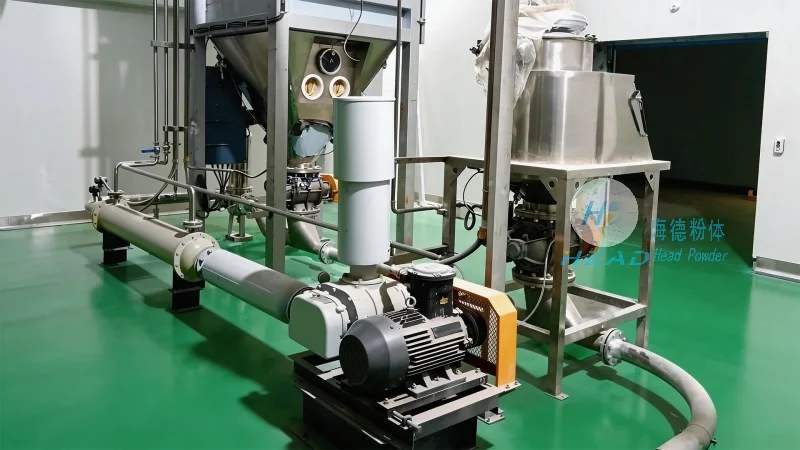
Considerations for System Design and Installation
When designing and installing a rubber granule pneumatic conveying system, several factors must be carefully considered to ensure optimal performance. The first consideration is the material characteristics of the rubber granules, including their size distribution, density, and moisture content. These properties influence the required air velocity and system pressure. The second factor is the distance and layout of the conveying route, as the length and number of bends affect the system's energy consumption and overall efficiency. The third consideration is the environmental conditions, such as temperature and humidity, which can impact the material's flow properties and the system's components. Proper system sizing, including the selection of the appropriate blower or vacuum pump, is critical to avoid under- or over-pressurization. Additionally, regular maintenance and cleaning of the pipeline and components are essential to prevent blockages and ensure long-term system reliability.




