Pyrolysis char, as a byproduct from the pyrolysis process, often requires efficient and reliable transportation methods for industrial applications. The pneumatic conveying system is a key technology in handling such materials, ensuring safe and effective movement from production sites to processing or storage areas. This article explores the fundamental principles behind the pyrolysis char pneumatic conveying system, highlighting its operational mechanisms, advantages, and practical applications.
Understanding the Core Components and Functionality
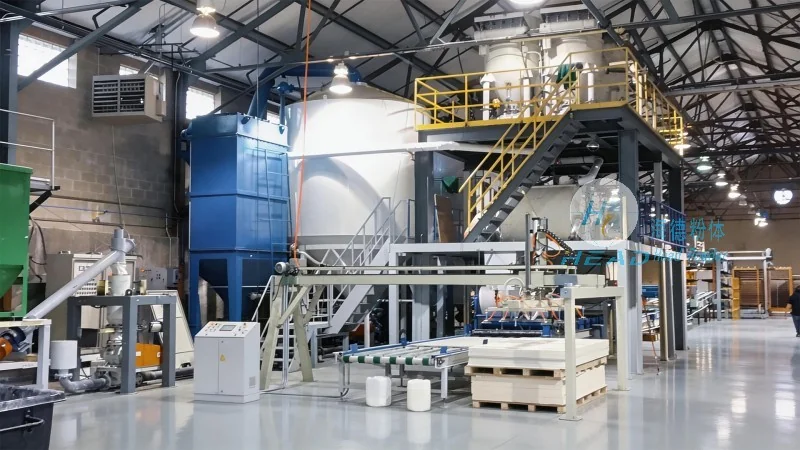
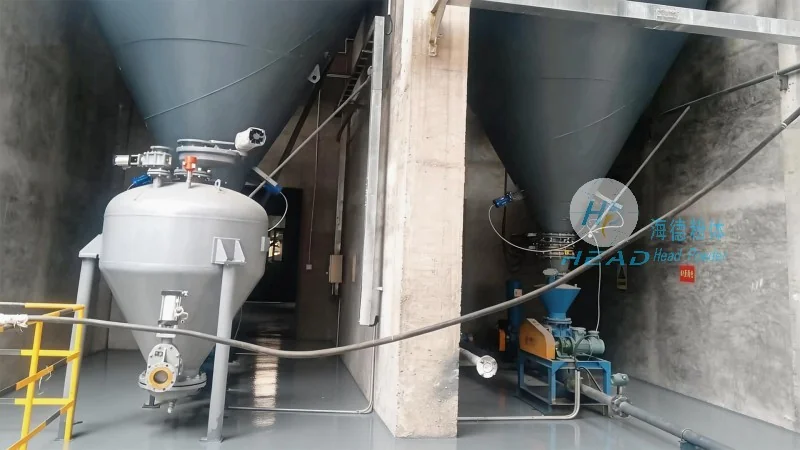
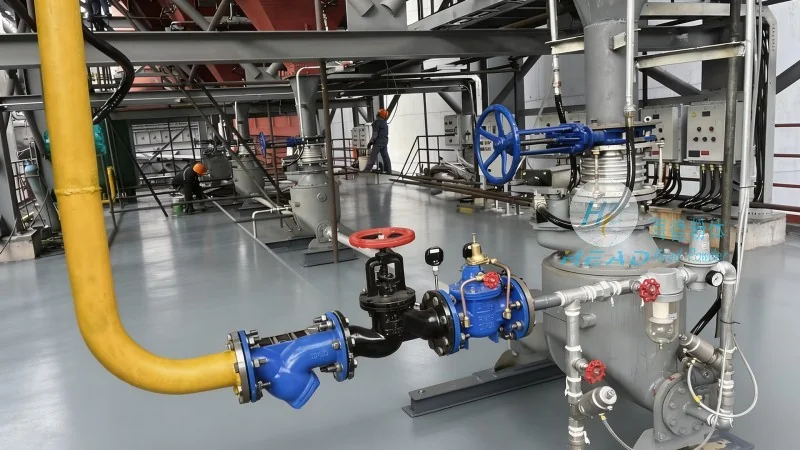
The pyrolysis char pneumatic conveying system operates on the principle of using air or other gases to transport solid particles through a pipeline. At its core, the system comprises several critical components that work in tandem to achieve efficient material transfer. These include the material feed hopper, which stores and feeds the pyrolysis char into the system; the air or gas source, typically a blower or compressor, that generates the necessary pressure and flow; the conveying pipeline, which transports the material; and the control valves and regulators that manage the flow rate and pressure. The system may also incorporate dust collection and filtration equipment to ensure environmental compliance and maintain air quality.
Operational Mechanisms and Flow Dynamics
The pneumatic conveying process involves either dense-phase or dilute-phase conveying, depending on the system design and material characteristics. Dense-phase conveying uses higher air velocities and lower material concentrations to move the char in a plug-like flow, reducing particle degradation and wear on the system components. Dilute-phase conveying, on the other hand, employs lower velocities and higher material concentrations, suitable for shorter distances or less abrasive materials. The system's performance is influenced by factors such as air pressure, flow rate, particle size distribution, and moisture content of the pyrolysis char. Proper design and maintenance of the components are essential to optimize conveying efficiency and minimize operational costs.
Advantages of the Pyrolysis Char Pneumatic Conveying System
Implementing a pneumatic conveying system for pyrolysis char offers several advantages over traditional methods like belt conveyors or manual handling. Firstly, it provides a closed system, which helps in controlling dust emissions and maintaining a clean working environment, aligning with environmental regulations. Secondly, the system allows for continuous and automated material transfer, improving production efficiency and reducing labor costs. Thirdly, it minimizes material degradation due to reduced friction and impact compared to mechanical conveyors. Additionally, the flexibility of pneumatic systems enables easy integration with other processing equipment, such as storage silos or processing units, enhancing overall operational flexibility.
Applications and Industrial Use Cases
The pyrolysis char pneumatic conveying system is widely used in various industrial sectors where pyrolysis char is a valuable byproduct. In the energy sector, it is employed in the transportation of char from pyrolysis plants to power generation facilities or storage sites. In the chemical industry, the system aids in moving char to processing units for further conversion into valuable products like activated carbon or fuel additives. The system is also utilized in the agricultural and waste management sectors, where pyrolysis char is used as a soil amendment or fuel source. Its adaptability to different material properties and operational requirements makes it a versatile solution for industrial material handling needs.
Key Considerations for System Design and Installation
When designing and installing a pyrolysis char pneumatic conveying system, several factors must be carefully considered to ensure optimal performance and longevity. Material properties, such as particle size, density, and moisture content, play a crucial role in determining the appropriate conveying method and equipment specifications. The system's layout, including pipeline length, elevation changes, and number of bends, affects the required air pressure and flow rate. Proper sizing of the blower or compressor is essential to maintain the necessary pressure for effective conveying. Additionally, the use of appropriate materials for the pipeline and components, such as corrosion-resistant metals or high-quality plastics, is vital to prevent wear and degradation over time. Regular maintenance, including cleaning of filters and checking for leaks, is necessary to keep the system operating efficiently and within environmental standards.
Conclusion and Future Outlook
The pyrolysis char pneumatic conveying system represents an advanced and efficient solution for handling pyrolysis char in industrial applications. By leveraging the principles of pneumatic transport, it offers benefits such as dust control, automation, and reduced material degradation. As industries continue to adopt sustainable practices and seek more efficient material handling solutions, the demand for such systems is likely to grow. Companies like Shandong HeadPowder Engineering Co., Ltd., with their expertise in engineering and manufacturing, play a vital role in providing tailored solutions that meet the specific needs of clients in various sectors. The continued development and optimization of pneumatic conveying systems will further enhance their role in sustainable industrial operations.




