Pyrolysis carbon, a valuable byproduct from the pyrolysis process, often requires efficient and reliable transportation systems to move it from production sites to processing or storage facilities. Pneumatic conveying, a method that uses air or gas to transport bulk materials, offers several structural configurations tailored to the unique properties of pyrolysis carbon. Understanding these main structures is crucial for selecting the most suitable system for specific industrial applications.
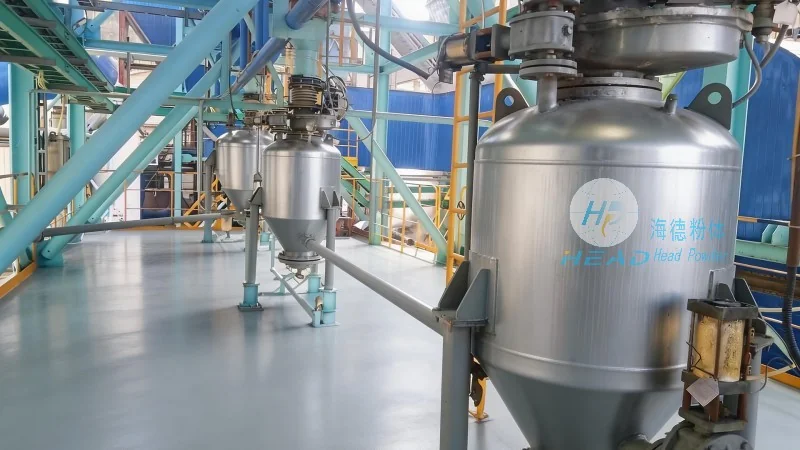
Key Structural Components of Pyrolysis Carbon Pneumatic Conveying Systems
The core components of a pneumatic conveying system for pyrolysis carbon typically include the material feed system, the conveying line, and the material discharge equipment. The feed system is responsible for introducing the carbon into the system, often using a hopper or a rotary valve to control the flow rate. This component must be designed to handle the bulk density and flow characteristics of pyrolysis carbon, which can vary based on the pyrolysis conditions and the type of feedstock used. For example, some pyrolysis processes produce carbon with a higher moisture content or finer particle size, which may require specialized feed mechanisms to prevent blockages or ensure consistent feeding.
The conveying line, which can be either positive pressure or negative pressure, is the central part of the system that transports the carbon. Positive pressure systems use a blower or a fan to push air and the carbon mixture through the pipeline, while negative pressure systems use a vacuum to draw the material. The choice between these two depends on factors such as the distance to be covered, the required flow rate, and the material's properties. For pyrolysis carbon, which is often a fine powder or a granular material, positive pressure systems are commonly preferred due to their ability to handle higher flow rates and longer distances without significant pressure losses.
Types of Pneumatic Conveying Structures
Several structural configurations are commonly used in pyrolysis carbon pneumatic conveying systems, each with its own advantages and applications. The most common types include the dilute phase system, the dense phase system, and the hybrid system.
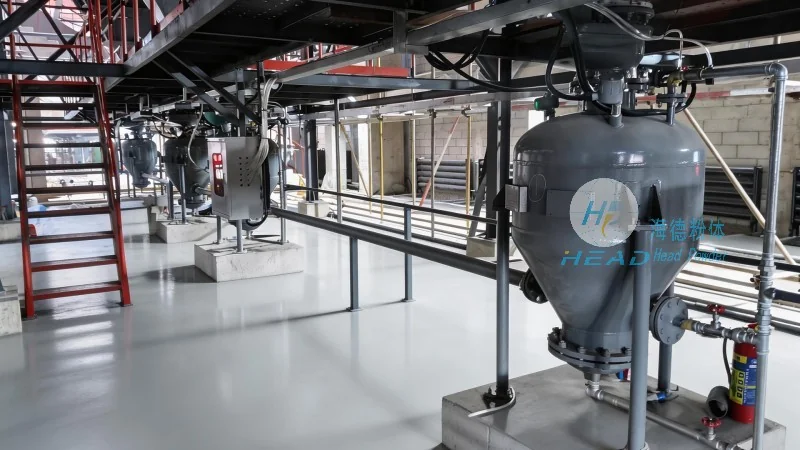
The dilute phase system operates at low pressure and high velocity, where the carbon particles are suspended in the air stream as a fine mist. This system is suitable for short to medium distances and for materials that are less abrasive or have a lower bulk density. However, it may not be efficient for long-distance transport or for materials that tend to settle quickly. The dense phase system, on the other hand, operates at higher pressure and lower velocity, where the carbon particles are conveyed in a slurry-like state, often with a higher air-to-material ratio. This system is ideal for longer distances and for materials that are more abrasive or have a higher bulk density, as it reduces the risk of particle degradation and system wear.
The hybrid system combines elements of both dilute and dense phase systems, offering flexibility in handling different material characteristics and conveying distances. It typically uses a combination of positive and negative pressure sections, allowing for efficient transport over varying distances with minimal pressure drop. For pyrolysis carbon, which may have variable properties depending on the feedstock, the hybrid system can be particularly advantageous as it can adapt to changing conditions without requiring significant system modifications.
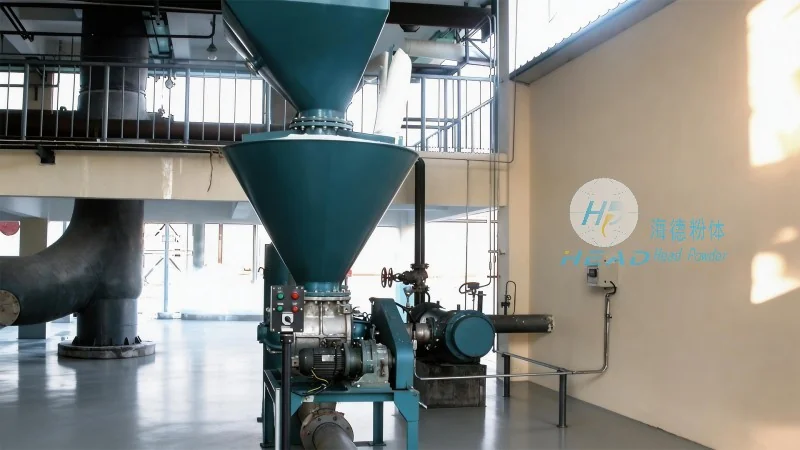
Material Handling and Processing Considerations
In addition to the conveying structure, the overall system design must consider the material's physical and chemical properties to ensure optimal performance and longevity. Pyrolysis carbon is often a carbonaceous material with specific characteristics such as high surface area, potential moisture content, and varying particle sizes. These properties can affect the system's efficiency and may require additional components such as drying units or particle size classifiers. For instance, if the pyrolysis carbon has a high moisture content, a drying section may be integrated into the system to prevent clogging or corrosion in the conveying line. Similarly, if the carbon particles are too fine, a classifier may be used to separate larger particles, which can then be reprocessed or used for other applications.
System Integration and Maintenance
Effective pneumatic conveying of pyrolysis carbon also depends on proper system integration and regular maintenance. The components must be properly sized and matched to ensure that the system operates within its optimal range. For example, the blower or vacuum pump must be capable of providing sufficient pressure or vacuum to move the carbon through the pipeline without excessive energy consumption. Regular maintenance, including cleaning of filters, checking for leaks, and inspecting for wear in moving parts, is essential to maintain system efficiency and prevent downtime. Proper maintenance can also extend the lifespan of the equipment and reduce the risk of material contamination or system failure.
Conclusion
Pneumatic conveying structures for pyrolysis carbon are critical components in the processing and handling of this valuable material. The choice of system structure depends on various factors, including the material's properties, the distance to be covered, and the required flow rate. By understanding the key components and different structural configurations, industries can select the most suitable pneumatic conveying system to ensure efficient and reliable transportation of pyrolysis carbon. With proper design, integration, and maintenance, these systems can effectively meet the demands of modern pyrolysis operations and contribute to the overall efficiency and sustainability of the process.




