HeadPowder, a leading engineering firm based in Shandong, China, specializes in providing advanced pneumatic conveying solutions for handling sintered ash. Understanding the core structures of these systems is crucial for optimizing material transport efficiency and reliability in industrial applications.
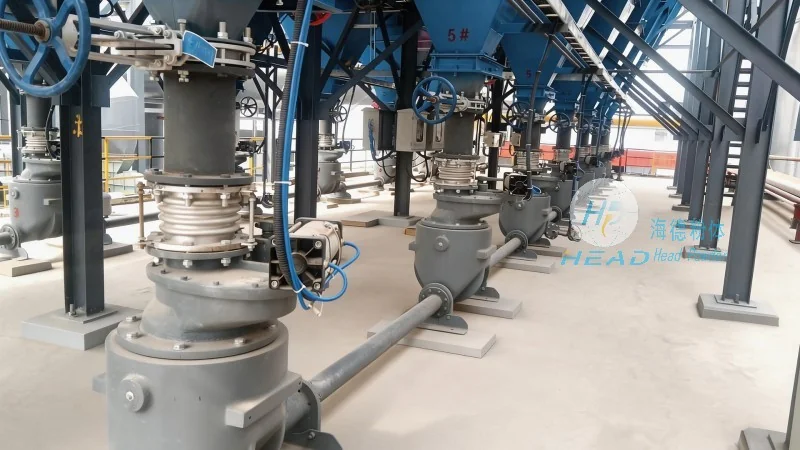
Key Pneumatic Conveying Structures for Sintered Ash
One of the primary structures used in sintered ash pneumatic conveying is the positive pressure system. This design operates by blowing air or a carrier gas into the conveying line, creating a positive pressure environment that pushes the material forward. The positive pressure system is particularly effective for short to medium distance transport and can handle a wide range of particle sizes and moisture content. It typically includes components such as a blower, hopper, and flexible hoses or rigid pipes, ensuring a continuous and controlled flow of sintered ash from the source to the destination.
Negative Pressure Conveying Systems
Another common structure is the negative pressure (or vacuum) system, which draws material into the conveying line using a vacuum created by a fan or ejector. This approach is ideal for applications requiring dust control and is often used in environments where minimizing emissions is a priority. The negative pressure system can handle longer distances and is suitable for materials that are prone to dusting or require gentle handling. Key components include a vacuum fan, collection hopper, and sealed ductwork, all designed to maintain a negative pressure throughout the conveying path and prevent material leakage or contamination.
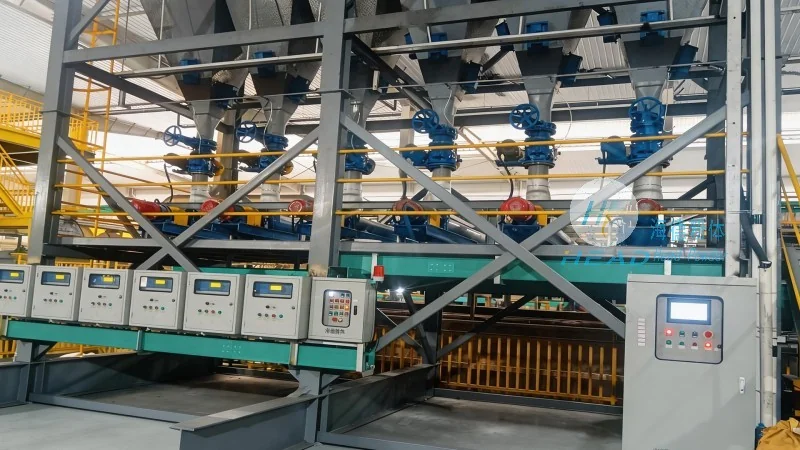
Closed Loop Pneumatic Conveying
A third significant structure is the closed loop system, which recirculates the carrier gas to improve energy efficiency and reduce operational costs. In this design, the air or gas is filtered and re-used, minimizing waste and enhancing sustainability. The closed loop system is particularly beneficial for high-volume sintered ash transport, as it reduces the need for continuous air supply and lowers energy consumption. It typically incorporates advanced filtration systems to ensure the re-circulated gas remains clean and free from particulate matter, maintaining system performance over time.
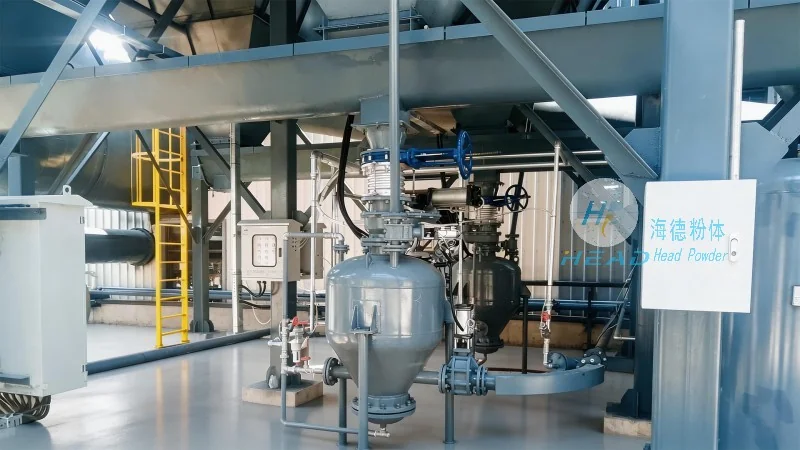
Hybrid Pneumatic Conveying Structures
Hybrid systems combine elements of both positive and negative pressure designs, offering flexibility and adaptability for diverse industrial needs. These structures are often used in complex conveying scenarios where different sections of the system require varying pressure conditions. For example, a hybrid system might use a positive pressure section for short horizontal transport and a negative pressure section for vertical lift or long-distance horizontal movement. This approach allows for optimized material handling while maintaining efficiency and control. Key components in hybrid systems include dual blower units, variable speed drives, and intelligent control panels that adjust pressure and flow rates in real-time based on operational demands.
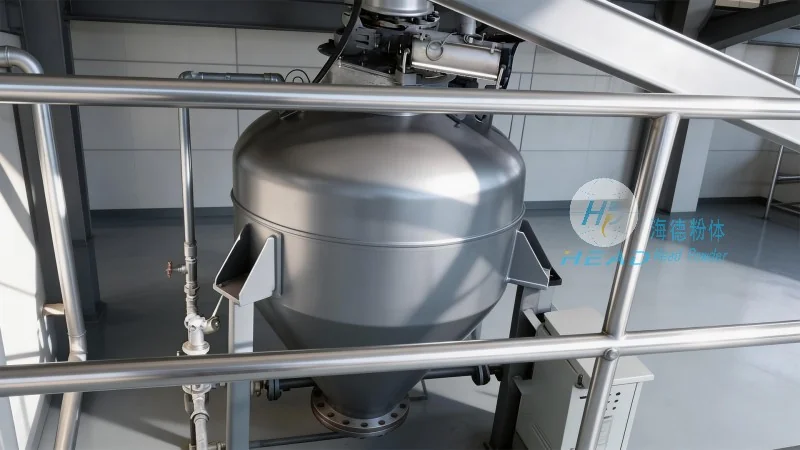
Material Handling Considerations in Sintered Ash Conveying
When selecting a pneumatic conveying structure for sintered ash, several material handling factors must be considered to ensure optimal performance. The particle size distribution, moisture content, and density of the sintered ash are critical parameters that influence the choice of system. Coarser particles may require higher air velocities and larger duct diameters to prevent blockages, while finer particles might benefit from a negative pressure system to minimize dust generation. Additionally, the presence of sticky or cohesive materials can impact the system's design, as special features such as vibrators or agitators may be needed to prevent material buildup in the conveying line. Proper material characterization and testing are essential steps before finalizing the pneumatic conveying structure to ensure long-term reliability and efficiency.
System Integration and Maintenance
Effective integration of the pneumatic conveying structure with other industrial processes is vital for seamless operation. This includes coordinating with storage silos, feeders, and discharge equipment to ensure a smooth flow of sintered ash from the source to the processing unit. Regular maintenance is also crucial to maintain the system's performance and extend its lifespan. Routine checks on components such as blowers, filters, and ductwork are necessary to identify and address potential issues before they escalate into major problems. Proper maintenance schedules, including cleaning of filters, lubrication of moving parts, and inspection of seals, help prevent downtime and ensure consistent material transport. By adhering to a proactive maintenance plan, industrial facilities can maximize the efficiency and reliability of their sintered ash pneumatic conveying systems.




