Understanding the technical parameters of wheat is crucial for the efficient operation of conveying systems used in grain handling. The characteristics of wheat, such as moisture content, bulk density, and impurity levels, directly impact the performance and lifespan of conveying equipment. Proper assessment of these parameters ensures that the chosen conveying system can handle the specific requirements of the wheat being processed, minimizing operational issues and maximizing productivity.
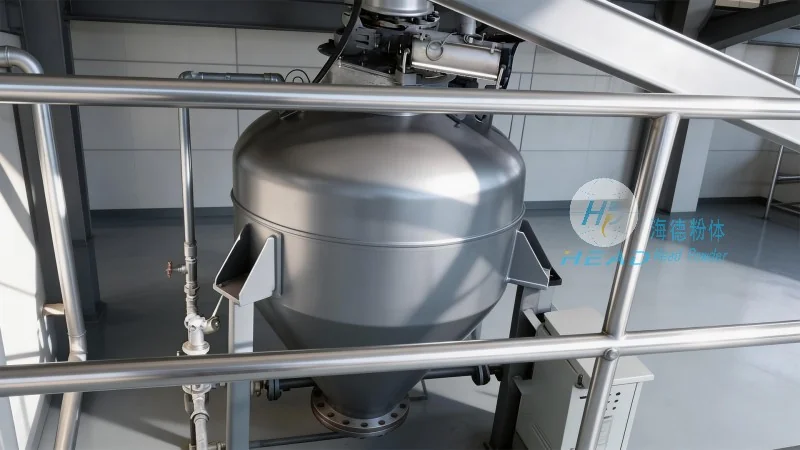
Design Considerations for Wheat Conveying Systems
The design of a wheat conveying system must align with the technical specifications of the wheat being transported. Factors like moisture content affect the flowability and potential for caking, while bulk density influences the capacity and power requirements of the equipment. Impurities, including stones, dust, and foreign materials, can cause wear and tear on conveyor components, necessitating robust design and maintenance strategies. Engineers from Shandong HeadPowder Engineering Co., Ltd., a leading provider in this field, emphasize the importance of integrating these parameters into the system design to ensure optimal performance.
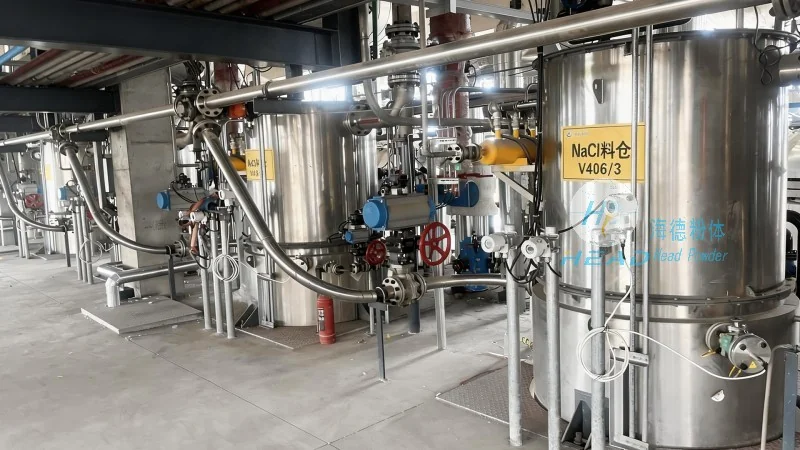
Key Technical Parameters of Wheat
Several key technical parameters define the quality and handling characteristics of wheat. Moisture content is a critical factor, as it affects the grain's stability during transport and storage. Typically, wheat moisture levels range from 10% to 15% for safe handling, but variations may require adjustments in conveying speed and equipment selection. Bulk density, measured in kilograms per cubic meter, determines the volume of wheat that can be transported per unit time. This parameter influences the sizing of conveyor belts, buckets, or air flow in pneumatic systems. Additionally, impurity levels, including foreign materials and dust, are measured as a percentage of the total grain mass. High impurity content can lead to increased maintenance costs and equipment degradation, making it essential to incorporate effective cleaning and separation processes into the conveying system.
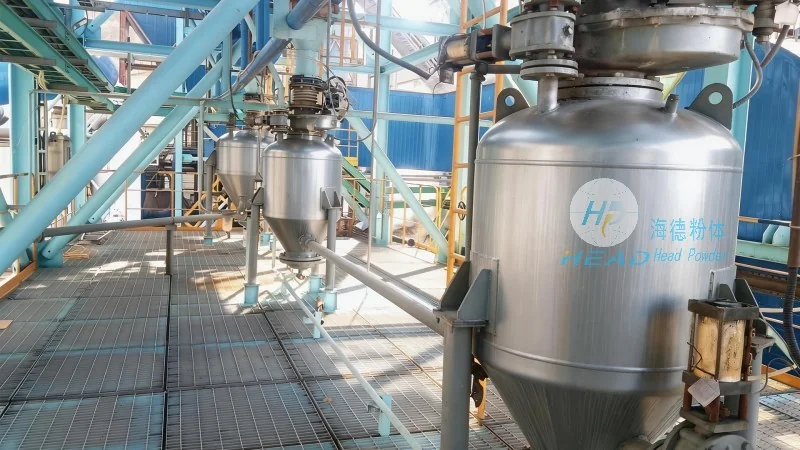
Conveying System Process and Equipment
The conveying process for wheat involves multiple stages, each tailored to the specific technical parameters of the grain. Pre-conveying steps often include cleaning and grading to remove impurities and segregate different wheat grades. This is followed by the primary conveying phase, where equipment like bucket elevators, screw conveyors, or pneumatic systems transport the wheat from one location to another. Bucket elevators are commonly used for vertical transport due to their high capacity and ability to handle bulk materials, while screw conveyors excel in horizontal or inclined transport, especially for materials with moderate moisture content. Pneumatic conveying systems, on the other hand, use air to transport wheat, which is particularly effective for handling fine or dusty materials and minimizing product contamination.
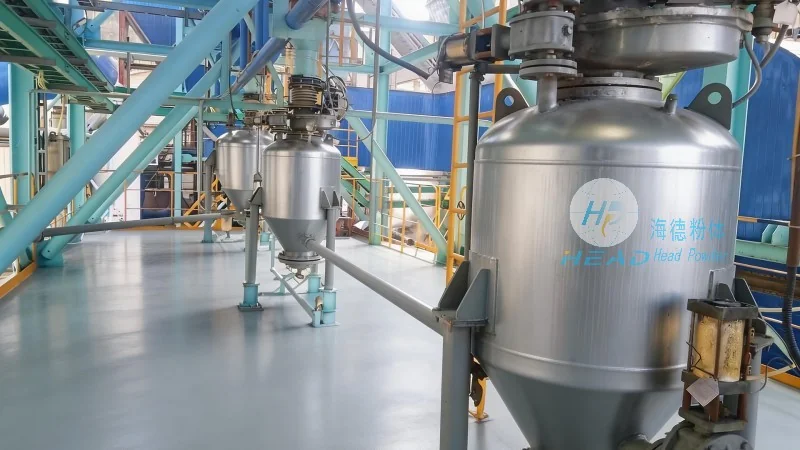
Application of HeadPowder Engineering in Wheat Handling
Shandong HeadPowder Engineering Co., Ltd., based in Shandong, China, specializes in the design and implementation of customized wheat conveying systems that address the unique technical parameters of each client's wheat. The company leverages advanced engineering principles to develop solutions that optimize efficiency, reduce energy consumption, and enhance the longevity of conveying equipment. By integrating detailed knowledge of wheat technical parameters into the system design, HeadPowder Engineering ensures that its clients achieve reliable and cost-effective grain handling operations. The company's expertise in material handling technology, combined with a deep understanding of wheat characteristics, positions it as a trusted partner for businesses in the grain processing industry.




