For industrial applications requiring efficient and reliable dry sand handling, understanding the technical parameters and the associated conveying system processes is crucial. This document provides an in-depth overview of the key aspects that define the performance and effectiveness of dry sand conveying systems, presented by Shandong HeadPowder Engineering Co., Ltd., a leading provider in the field.
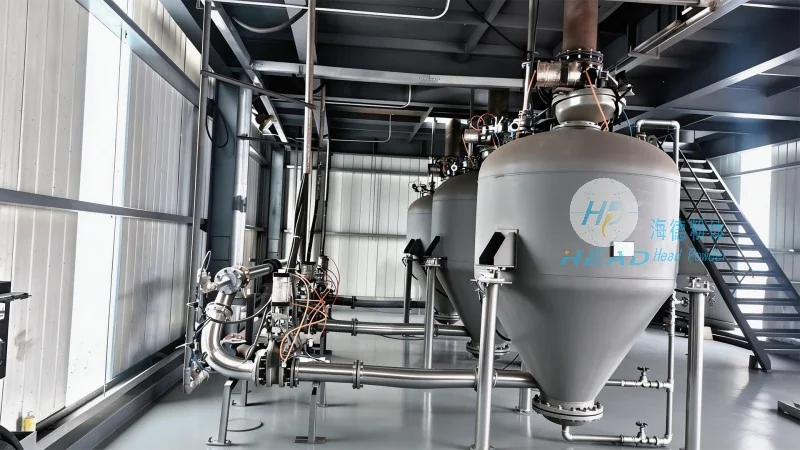
Key Technical Parameters for Dry Sand Handling
Dry sand, as a bulk material, exhibits specific physical properties that directly impact the design and operation of conveying systems. The primary technical parameters to consider include particle size distribution, bulk density, angle of repose, and moisture content. These factors influence the flow characteristics, frictional resistance, and overall system efficiency. For instance, finer sand particles may require higher air pressure or more robust pump designs to ensure consistent transport, while coarser particles might benefit from larger diameter pipelines to minimize pressure drop. The bulk density of the sand, typically ranging from 1.4 to 1.6 g/cm³ for dry sand, affects the volumetric flow rate and the power consumption of the conveying equipment. Additionally, the angle of repose, which measures the stability of the sand pile, is critical for determining the slope of hoppers and chutes to prevent material buildup and ensure smooth flow.
Conveying System Process Overview
The dry sand conveying system process involves several integrated components working in tandem to transport the material from the source to the destination. The process typically begins with the storage of dry sand in silos or bulk containers, where the material is kept under controlled conditions to maintain its dryness and prevent caking. From the storage unit, the sand is fed into a hopper equipped with a feeder, such as a rotary valve or a screw feeder, which regulates the flow rate to the conveying line. The feeder ensures a consistent and controlled discharge of the sand into the pipeline, minimizing fluctuations that could affect the system's performance.
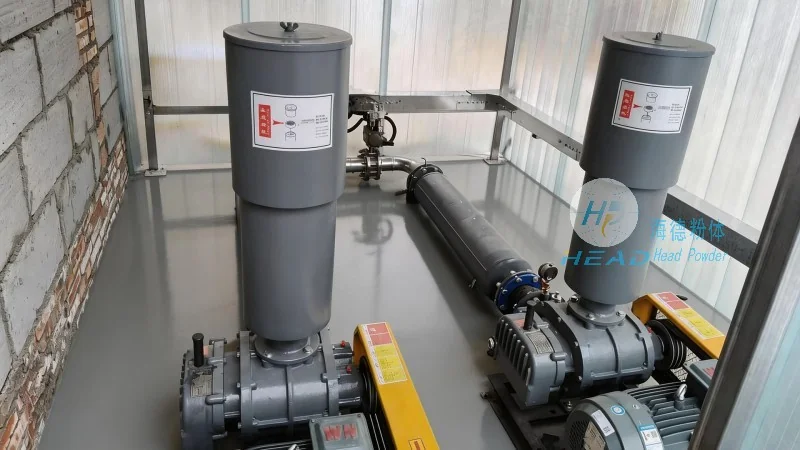
Once the sand enters the pipeline, it is transported using either pneumatic or mechanical conveying methods. Pneumatic conveying systems utilize compressed air to move the sand particles through the pipeline, while mechanical systems employ positive displacement pumps or screw conveyors to push the material forward. The choice between these methods depends on factors such as the distance to be covered, the required flow rate, and the material's properties. For longer distances or higher flow rates, pneumatic systems are often preferred due to their ability to handle larger volumes and maintain consistent pressure. In pneumatic systems, the air velocity must be sufficient to keep the sand particles suspended and prevent deposition, which is typically achieved by maintaining a velocity above the minimum fluidization velocity of the sand.
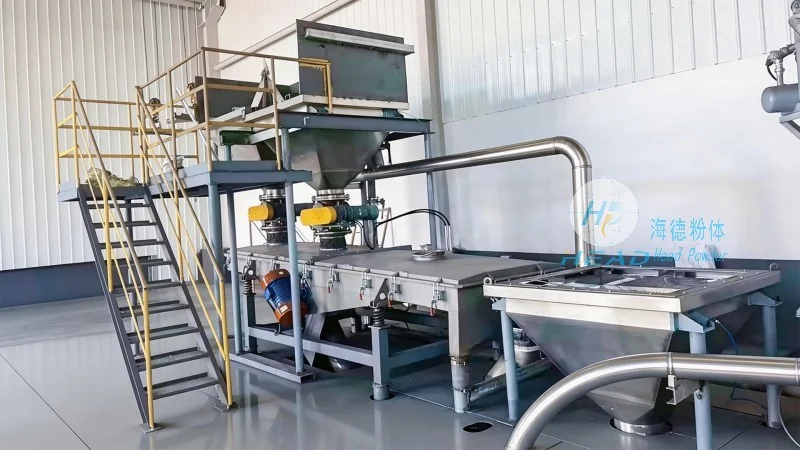
System Components and Design Considerations
The effectiveness of a dry sand conveying system is heavily dependent on the proper selection and integration of its components. Key components include the feeder, pipeline, pump or air compressor, and control system. The feeder must be designed to handle the specific characteristics of the dry sand, ensuring that it can deliver a uniform flow without causing blockages or excessive wear. The pipeline, usually made of stainless steel or other corrosion-resistant materials, must be sized appropriately to minimize pressure losses and prevent material degradation. For pneumatic systems, the air compressor must be capable of providing the required pressure and flow rate, with features such as variable speed control to adjust to changing demand. The control system, which may include sensors for pressure, flow, and level, ensures that the system operates within safe and efficient parameters, automatically adjusting the feeder speed or air pressure as needed.
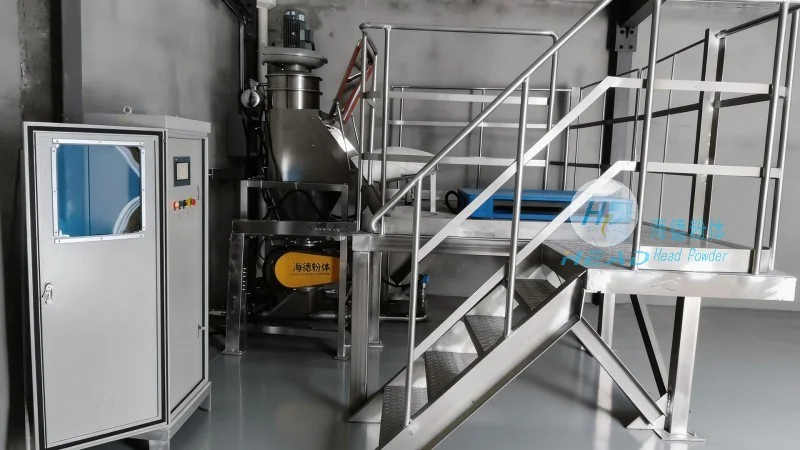
Performance Optimization and Maintenance
To maintain optimal performance and extend the lifespan of the dry sand conveying system, regular maintenance and performance optimization are essential. This includes monitoring key parameters such as pressure drop, flow rate, and material temperature, which can indicate potential issues like blockages or wear in the components. Regular cleaning of the pipeline and feeder, as well as lubrication of moving parts, helps prevent clogging and reduces frictional losses. Additionally, the system should be inspected periodically for signs of corrosion or wear, particularly in areas exposed to the sand and air. By implementing a proactive maintenance schedule, the system can achieve higher efficiency, lower energy consumption, and reduced downtime, ensuring consistent and reliable dry sand transport.
About Shandong HeadPowder Engineering Co., Ltd.
Shandong HeadPowder Engineering Co., Ltd., operating under the brand name headpowder, is a professional manufacturer and supplier specializing in dry sand conveying systems and related engineering solutions. With a strong focus on innovation and quality, the company provides customized solutions tailored to the specific needs of its clients. HeadPowder's team of experienced engineers and technicians work closely with customers to design and implement efficient conveying systems that meet industry standards and regulatory requirements. The company's headquarters is located in Shandong, China, where it leverages advanced technology and manufacturing capabilities to deliver high-performance products and services to the global market.




