Plastic powder pneumatic conveying systems are essential for efficient material handling in various industrial applications. These systems utilize air or other gases to transport plastic powders from one location to another, offering advantages such as reduced contamination, improved safety, and enhanced process control. Understanding the components, operation, and benefits of these systems is crucial for optimizing material flow in manufacturing processes.
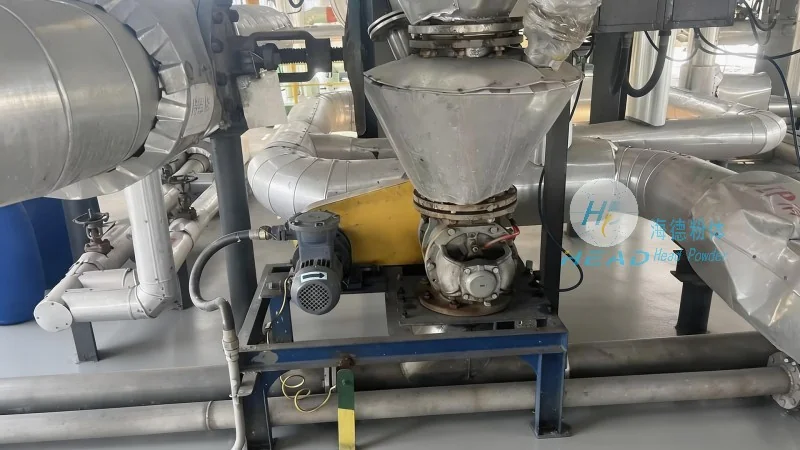
About Shandong HeadPowder Engineering Co., Ltd.
HeadPowder, a leading provider of pneumatic conveying solutions, specializes in designing and manufacturing systems tailored to the unique needs of plastic powder handling. With a strong commitment to quality and innovation, the company has established itself as a trusted partner in the industry. HeadPowder's expertise lies in delivering reliable, efficient, and cost-effective pneumatic conveying systems that meet the highest standards of performance and durability.
Key Components of a Plastic Powder Pneumatic Conveying System
A typical plastic powder pneumatic conveying system consists of several critical components that work in tandem to ensure smooth material transport. These include the hopper or feeder, which stores and meters the plastic powder; the air compressor or blower, which generates the necessary airflow; the conveying line, which transports the powder through the system; and the receiver or discharge unit, which collects the material at the destination. Each component plays a vital role in maintaining the system's efficiency and reliability.
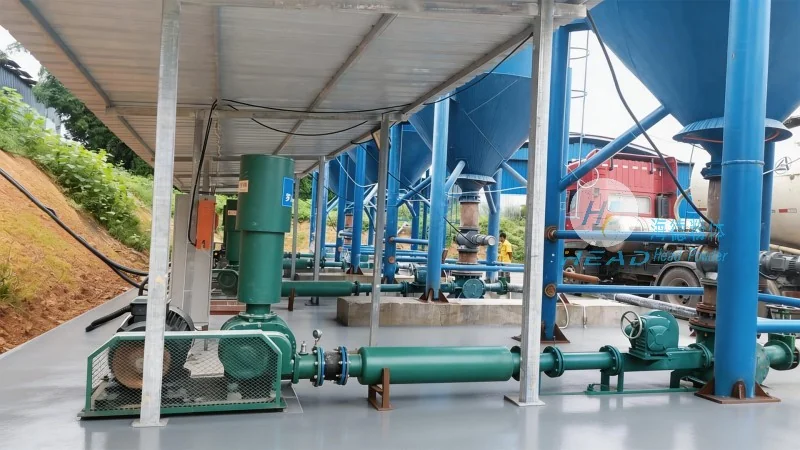
How Plastic Powder Pneumatic Conveying Works
The operation of a plastic powder pneumatic conveying system involves the following steps: first, the plastic powder is fed from the hopper into the conveying line; second, the air compressor supplies compressed air to create a flow that lifts and transports the powder; third, the powder travels through the line to the receiver; and finally, the material is discharged from the receiver. The system can operate in either positive or negative pressure modes, depending on the specific application and material characteristics. Positive pressure systems use compressed air to push the powder, while negative pressure systems use vacuum to pull the powder.
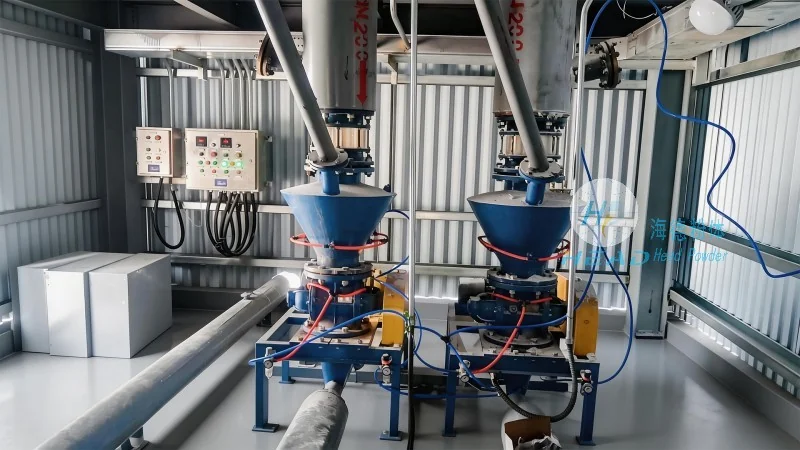
Advantages of Plastic Powder Pneumatic Conveying Systems
Plastic powder pneumatic conveying systems offer numerous advantages over traditional mechanical conveying methods. These include reduced risk of material contamination due to enclosed systems, improved safety by eliminating manual handling of powders, and enhanced process control through precise metering and flow regulation. Additionally, these systems are highly flexible, allowing for easy integration into existing production lines and adaptation to changing production requirements. The ability to handle a wide range of plastic powders, from fine to coarse, further enhances their versatility in various industrial applications.
Applications in the Plastic Industry
Plastic powder pneumatic conveying systems are widely used in the plastic manufacturing industry for transporting raw materials such as polyethylene, polypropylene, and other plastic resins. They are also utilized in the processing of plastic additives, colorants, and fillers, ensuring that these materials are delivered to processing equipment without loss or contamination. The systems are particularly beneficial in applications where dust control and material purity are critical, such as in the production of high-quality plastic products. By providing a clean and efficient method of material transport, these systems contribute to improved product quality and reduced operational costs.




