Gas-pneumatic conveying systems have become a critical component in the production and processing of lithium-ion battery anode materials. These systems are designed to efficiently transport fine powders, such as graphite and other anode precursors, from one point to another within a manufacturing facility. The technology offers several advantages over traditional mechanical conveying methods, including reduced contamination, improved safety, and enhanced process control.
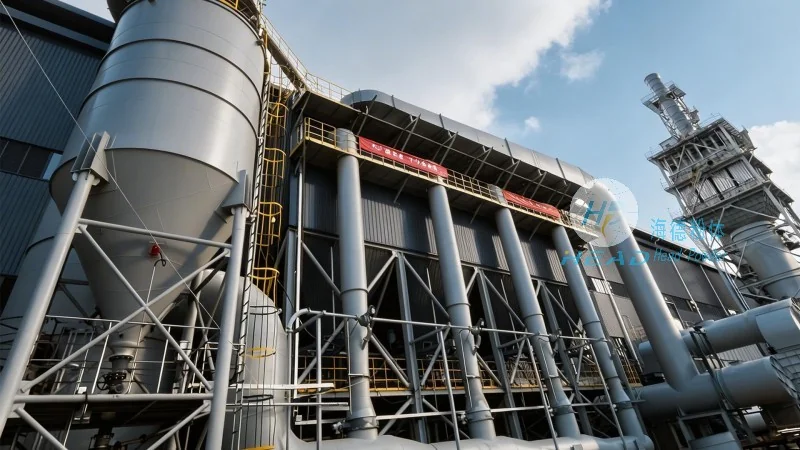
Introduction to Gas-Pneumatic Conveying for Lithium-Ion Battery Anode Materials
Gas-pneumatic conveying, also known as pneumatic conveying, is a method of transporting bulk materials using a gas stream, typically air or other gases. In the context of lithium-ion battery production, this technology is particularly important for handling anode materials, which are often in the form of fine powders that require precise handling to maintain quality and consistency. The system works by creating a pressure differential that propels the material through a pipeline, ensuring a continuous and controlled flow.
Key Components of a Gas-Pneumatic Conveying System
At the core of a gas-pneumatic conveying system are several key components that work in tandem to ensure efficient material transport. These include a material feed hopper, a conveying line (often made of stainless steel to prevent contamination), a gas source (usually a blower or compressor), and a receiver or discharge hopper. The system may also incorporate features such as in-line filters to remove dust and moisture, and pressure regulators to maintain consistent airflow. The design of these components is critical to the overall performance and reliability of the system.
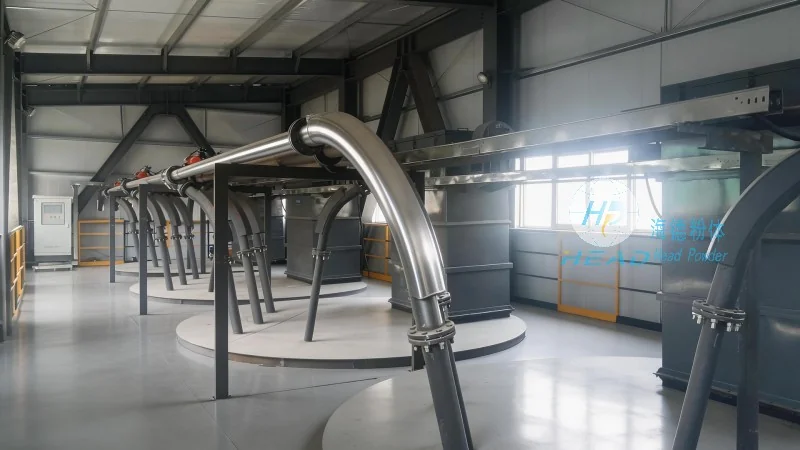
Advantages of Using Gas-Pneumatic Conveying for Anode Materials
Compared to traditional mechanical conveying, gas-pneumatic systems offer several advantages that are particularly beneficial for lithium-ion battery anode material processing. First, they minimize material contamination, which is essential for maintaining the purity of anode materials that directly impact battery performance. Second, the systems provide better safety by eliminating the need for manual handling of powders, reducing the risk of dust explosions and other hazards. Third, they offer enhanced process control, allowing for precise control over material flow rates and pressure, which is crucial for achieving consistent product quality. Additionally, gas-pneumatic systems can handle a wide range of particle sizes and densities, making them versatile for different anode material types.
Application in Lithium-Ion Battery Manufacturing
The application of gas-pneumatic conveying systems in lithium-ion battery manufacturing is widespread. These systems are used in various stages of the production process, from raw material handling and mixing to final product packaging. For example, in the mixing stage, the system can transport anode powders to a mixing vessel, ensuring uniform blending with other components like binders and conductive agents. In the coating stage, the system may be used to convey the mixed anode slurry to the coating machine, where it is applied to current collectors. The ability to handle fine powders with high precision makes gas-pneumatic systems indispensable in these critical steps.
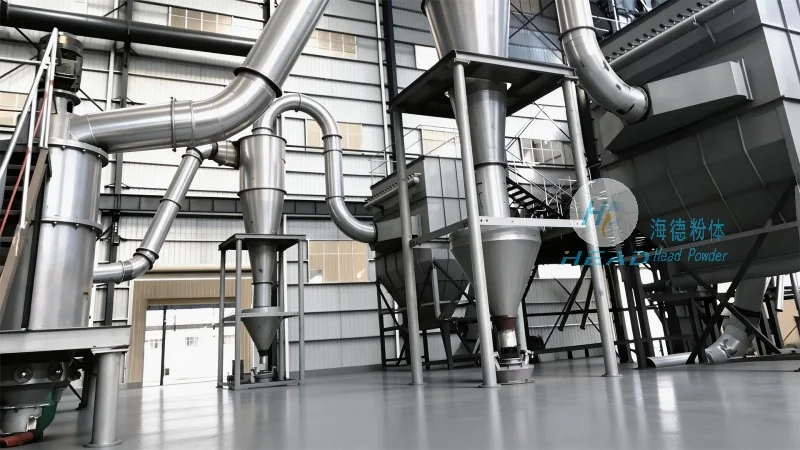
System Design and Customization
Gas-pneumatic conveying systems are often customized to meet the specific requirements of lithium-ion battery manufacturers. The design considerations include the type of anode material (e.g., graphite, silicon, or other composites), the required flow rate, the distance of material transport, and the environmental conditions of the facility. For instance, systems handling reactive materials may incorporate explosion-proof designs to ensure safety. The choice of materials for the conveying line, such as stainless steel or PTFE, is also critical to prevent material degradation or contamination. Customization may also involve the integration of automation controls to monitor and adjust system parameters in real-time, optimizing performance and reducing downtime.
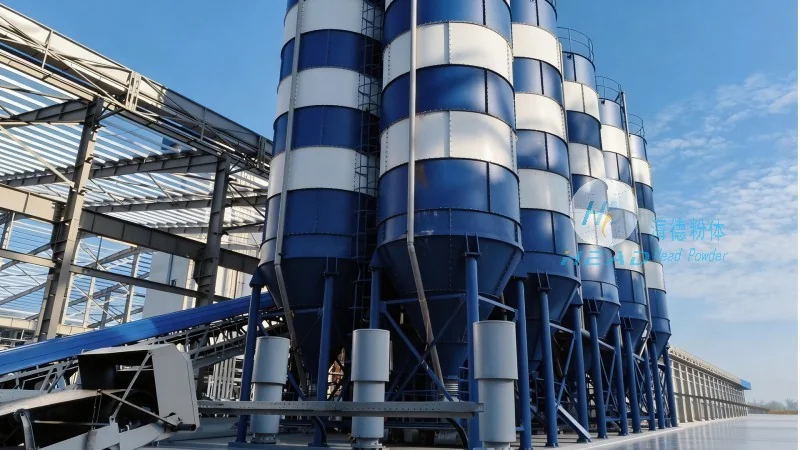
Maintenance and Operational Considerations
Proper maintenance is essential to ensure the long-term reliability and efficiency of gas-pneumatic conveying systems. Regular maintenance tasks include cleaning the conveying line and filters to prevent clogging, inspecting the blower or compressor for wear and tear, and checking the integrity of seals and connections. The system's operational parameters, such as airflow and pressure, should be monitored regularly to detect any deviations that could indicate a problem. Additionally, training operators on proper system operation and maintenance is crucial to prevent accidents and ensure optimal performance. By adhering to a regular maintenance schedule and following best practices, manufacturers can maximize the lifespan and efficiency of their gas-pneumatic conveying systems.
About Shandong HeadPowder Engineering Co., Ltd.
Shandong HeadPowder Engineering Co., Ltd., operating under the brand name headpowder, is a leading provider of specialized engineering solutions for the powder handling industry. With a focus on innovation and quality, the company has developed advanced gas-pneumatic conveying systems tailored to the needs of lithium-ion battery manufacturers. Headpowder's expertise lies in designing and manufacturing systems that meet the stringent requirements of anode material processing, ensuring high purity, consistent quality, and reliable performance. The company's commitment to customer satisfaction and technological advancement has made it a trusted partner in the battery industry.




