HeadPowder, a leading enterprise in the field of powder handling technology, specializes in the design, manufacturing, and supply of advanced conveying systems tailored for the battery materials industry. This article provides an overview of the anode material powder conveying system, focusing on its structural design and operational principles to help clients understand its functionality and benefits.
Company Profile and Background
HeadPowder Engineering Co., Ltd. is headquartered in Shandong, China. As a professional manufacturer with years of experience in powder processing equipment, the company has established itself as a trusted partner for businesses in the battery, chemical, and material sectors. Our core mission is to deliver high-efficiency, reliable, and cost-effective solutions that meet the stringent demands of modern industrial applications.
Overview of the Anode Material Powder Conveying System
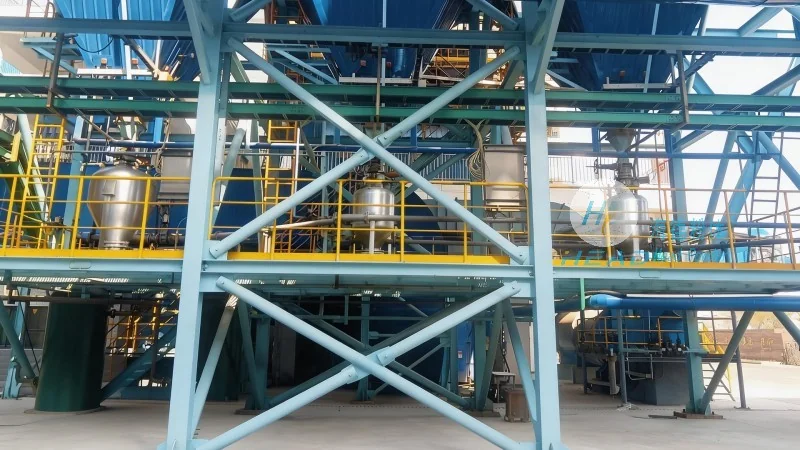
The anode material powder conveying system is a specialized piece of equipment designed to handle and transport fine powders, such as those used in lithium-ion battery production. This system is critical for ensuring the efficient and safe movement of anode materials from storage to processing units, minimizing material loss and optimizing production throughput. The system integrates various components, including hoppers, feeders, conveyors, and control units, to achieve seamless material flow.
Structural Components and Design
The anode material powder conveying system consists of several key structural components, each playing a vital role in the overall operation. The primary components include:
1. Material Hopper: This is the storage container where raw anode powders are held before being conveyed. The hopper is typically designed with a conical or rectangular shape to facilitate uniform material discharge and prevent clogging. It is equipped with a lid or cover to protect the material from moisture and contamination.
2. Feeder: The feeder is responsible for controlling the flow rate of the powder from the hopper. Common types include rotary valves, vibratory feeders, and screw feeders. These devices ensure a consistent and controlled feed rate, which is crucial for maintaining stable conveyor performance and preventing overloading or underloading of the system.
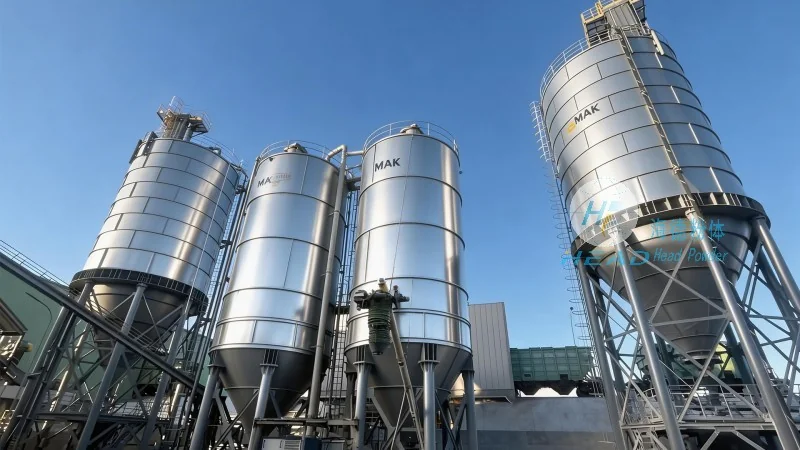
3. Conveying Unit: The core of the system, the conveying unit is responsible for transporting the powder from the feeder to the processing equipment. Depending on the application, different types of conveyors may be used, such as pneumatic conveying systems (air-assisted), mechanical conveyors (e.g., belt conveyors, screw conveyors), or a combination of both. The choice of conveyor type depends on factors like material properties, distance, and environmental requirements.
4. Control System: The control system manages the operation of all components, including the feeder, conveyor, and safety features. It typically includes sensors, controllers, and monitoring devices to ensure the system operates within safe parameters. The control system allows for real-time adjustments to flow rates, pressure, and other variables to optimize performance and prevent issues such as blockages or overpressure.
Working Principle and Operational Flow
The operational principle of the anode material powder conveying system involves a sequential process of material handling and transport. The workflow typically begins with the loading of anode powders into the material hopper. Once the hopper is filled, the feeder starts to discharge the powder at a controlled rate. The feeder then transfers the material to the conveying unit, which then transports the powder to the next stage of the production process, such as mixing, coating, or packing.
During the conveying process, the system monitors key parameters like pressure, flow rate, and temperature to ensure smooth operation. The control system adjusts the feeder speed or conveyor speed as needed to maintain a consistent material flow. If any abnormalities are detected, such as a blockage or pressure surge, the system will automatically shut down or alert operators to address the issue, preventing material damage or equipment failure.
Advantages and Benefits of the System
The anode material powder conveying system offers several advantages that make it an essential component in modern battery material production. These benefits include:
1. High Efficiency and Throughput: The system is designed to handle large volumes of powder with minimal downtime, ensuring high production throughput. The controlled flow rates and efficient conveying mechanisms minimize material loss and maximize output.
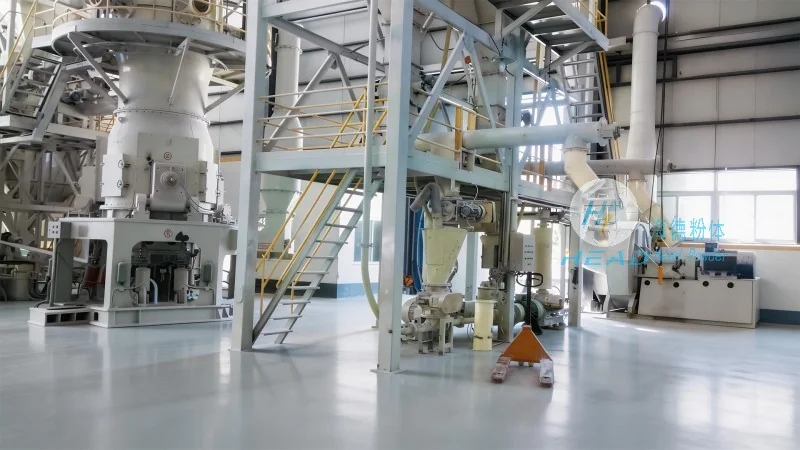
2. Reduced Downtime and Maintenance: The robust design and reliable components of the system reduce the risk of breakdowns and simplify maintenance procedures. Regular maintenance is straightforward, and the system's modular design allows for easy replacement of parts, minimizing downtime.
3. Enhanced Safety and Environmental Protection: The system is equipped with safety features, such as pressure relief valves and dust collection systems, to prevent accidents and protect the environment. The enclosed design of the conveying unit minimizes dust emissions, ensuring a clean and safe working environment.
4. Customization and Flexibility: HeadPowder offers customized solutions tailored to the specific needs of each client. The system can be adapted to handle different types of anode materials, varying particle sizes, and different production capacities, providing flexibility to meet evolving industry demands.
Application in Battery Manufacturing
The anode material powder conveying system is widely used in the production of lithium-ion batteries, where anode materials such as graphite, silicon, and lithium iron phosphate are critical components. The system ensures that these powders are transported safely and efficiently from raw material storage to the battery cell manufacturing line. By maintaining consistent material quality and flow, the system contributes to the overall quality and performance of the final battery products.
Conclusion
HeadPowder Engineering Co., Ltd. provides advanced anode material powder conveying systems that combine innovative design, reliable performance, and comprehensive control capabilities. With its headquarters in Shandong, China, the company leverages years of experience and expertise to deliver solutions that meet the evolving needs of the battery materials industry. The system's structural design and operational principles ensure efficient, safe, and cost-effective powder handling, making it an indispensable asset for modern battery manufacturing facilities.




