Pneumatic conveying systems are widely used in the handling and transportation of polyolefin materials, which are essential components in various industrial applications. These systems provide an efficient and reliable method for moving bulk materials like polypropylene, polyethylene, and other polyolefin-based compounds from one location to another within a processing facility. The design and operation of such systems are critical to ensuring smooth production workflows and maintaining material integrity.
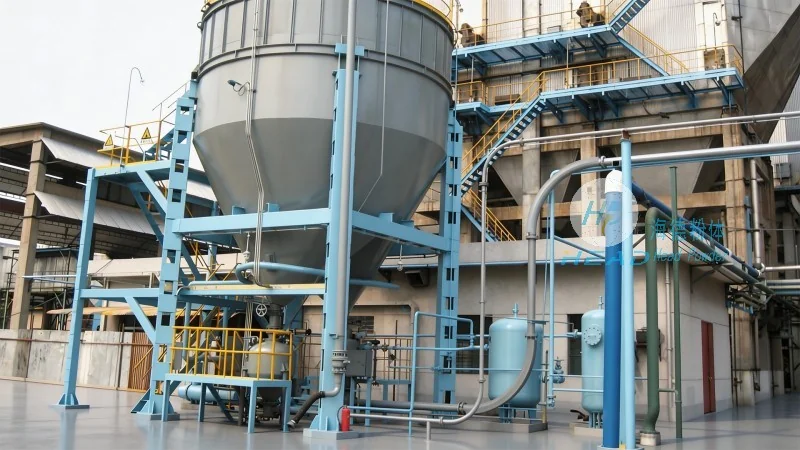
Key Components of a Polyolefin Pneumatic Conveying System
A typical polyolefin pneumatic conveying system consists of several key components that work in concert to achieve effective material transport. These include a material hopper or feeder, a conveying pipeline, a fan or blower to generate the necessary air flow, a control system for regulating pressure and flow, and a discharge point or receiver. Each component plays a vital role in the overall functionality of the system, and their proper integration is essential for optimal performance.
The Operation Process of Polyolefin Pneumatic Conveying
The operation of a polyolefin pneumatic conveying system involves a series of steps that ensure the material is moved safely and efficiently. The process typically begins with the loading of polyolefin material into the hopper. As the material is drawn into the system, the fan or blower generates a high-velocity air stream that entrains the particles and propels them through the conveying pipeline. The air flow is carefully controlled to maintain a consistent velocity, which is crucial for preventing material degradation and ensuring uniform transport. The material is then discharged at the receiving end, where it is collected for further processing or storage.
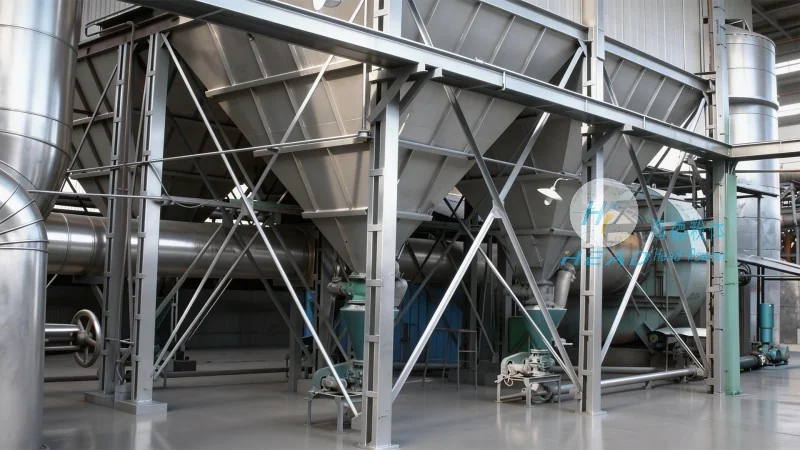
Working Principle of Polyolefin Pneumatic Conveying
The working principle of a polyolefin pneumatic conveying system is based on the principles of fluid dynamics and particle transport. When air is forced through the conveying pipeline at a sufficient velocity, it creates a pressure differential that allows the polyolefin particles to be suspended and carried along with the air stream. This process, known as pneumatic transport, relies on the interaction between the air flow and the material particles to achieve efficient movement. The system is designed to handle the specific properties of polyolefin materials, such as their density, particle size, and flow characteristics, to ensure optimal performance and minimal material loss.
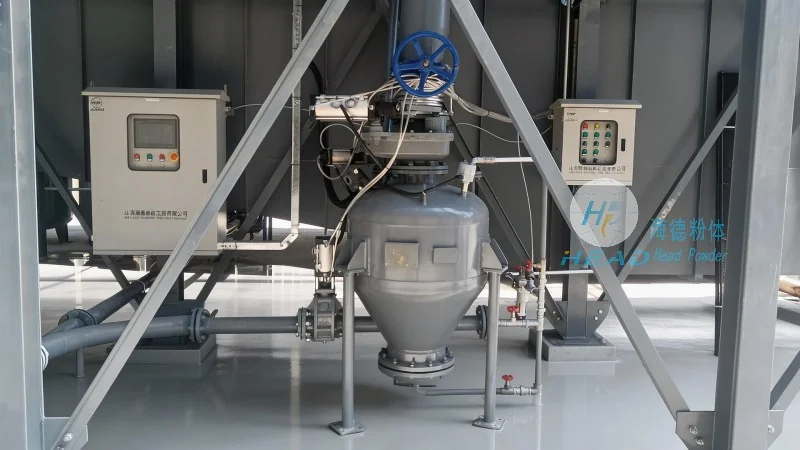
Advantages of Using Pneumatic Conveying for Polyolefin Materials
Implementing a pneumatic conveying system for polyolefin materials offers several advantages over traditional methods like belt conveyors or bucket elevators. These systems provide a closed-loop operation, which helps to contain dust and prevent contamination, a critical factor for polyolefin materials that are often used in high-purity applications. Additionally, pneumatic conveying systems are capable of handling a wide range of material sizes and flow rates, making them versatile for various industrial needs. The system also reduces the risk of material degradation due to friction and exposure to air, which is particularly important for polyolefin materials that are sensitive to environmental factors.
Customization and Integration for Specific Applications
Shandong HeadPowder Engineering Co., Ltd. specializes in designing and manufacturing customized pneumatic conveying systems tailored to the specific requirements of polyolefin material handling. The company’s expertise lies in understanding the unique properties of different polyolefin compounds and designing systems that optimize material transport efficiency. By integrating advanced control systems and using high-quality components, HeadPowder ensures that each system is built to meet the exact needs of the client, whether it is for a small-scale production line or a large industrial facility.




