Maltose material conveying lines are critical infrastructure in the food processing sector, particularly for facilities that handle maltose as a key ingredient. These systems are engineered to efficiently transport maltose from storage silos or bulk containers to processing units, such as mixing or packaging stations. The primary goal of these lines is to ensure a continuous and smooth flow of material, minimizing downtime and maximizing production output. By automating the material handling process, maltose conveying lines reduce the risk of human error and improve overall operational efficiency. This is especially important in industries where product consistency and quality control are paramount.
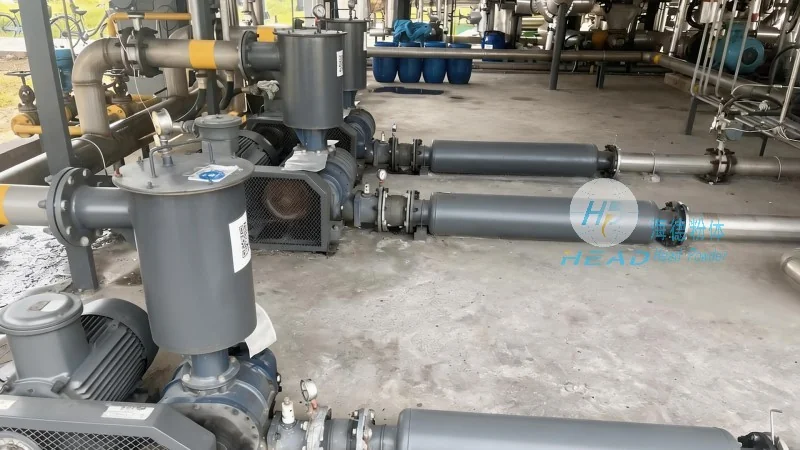
Key Components and Their Functions
The effectiveness of a maltose material conveying line depends on its integrated components, each playing a vital role in the system's operation. The feed hopper is the first component, designed to store and feed maltose into the conveyor. It is typically made of durable materials like stainless steel to withstand the abrasive nature of maltose and to maintain hygiene standards. The conveyor mechanism, which can be belt-driven or chain-driven, is responsible for moving the material along the line. Belt conveyors are common for horizontal or slight incline applications, while chain conveyors are used for steeper inclines or vertical lifting. Control panels are essential for monitoring and adjusting the conveyor speed, direction, and tension. These panels often include sensors and indicators that alert operators to any issues, such as blockages or overloads. Safety sensors, such as photoelectric or mechanical switches, are integrated to prevent accidents and protect both the equipment and personnel.
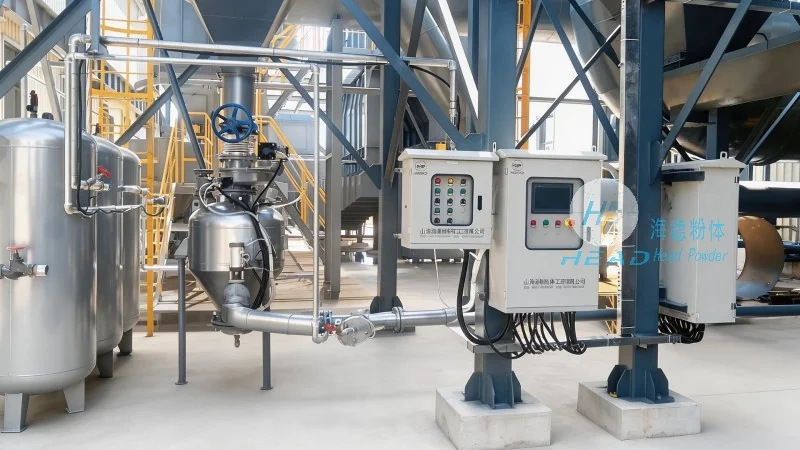
The Step-by-Step Operation Process
The operation of a maltose material conveying line follows a systematic sequence that ensures reliable and consistent performance. The process begins with the loading of maltose into the feed hopper. The hopper is filled to a certain level, and the conveyor system is activated. As the material flows from the hopper into the conveyor, it moves along the designated path. The speed of the conveyor is controlled by the operator or an automated system, depending on the processing requirements. For example, during high-volume production, the conveyor speed may be increased to meet demand. The material then passes through any intermediate processing steps, such as screening to remove impurities or mixing with other ingredients. At the end of the line, the maltose is discharged into a storage bin or directly into a packaging machine. The entire operation is monitored by the control panel, which tracks the flow rate, detects any anomalies, and adjusts parameters as needed. This closed-loop system ensures that the conveying process is efficient and that the maltose is handled with minimal risk of contamination or damage.
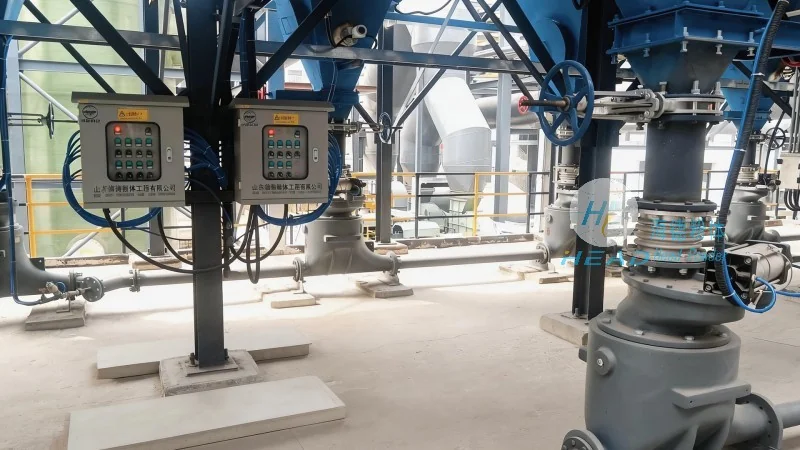
Working Principle: Mechanical and Control Systems
The working principle of maltose material conveying lines combines mechanical force and electronic control to achieve precise material transport. The system relies on the gravitational force of the material in the hopper to initiate the flow. Once the material enters the conveyor, it is propelled forward by the rotating rollers or chains. The conveyor's speed is determined by the motor's RPM (revolutions per minute), which is adjusted by the control panel. The control system uses sensors to monitor the material level in the hopper and the conveyor's load. If the hopper is empty or the conveyor is overloaded, the system automatically stops to prevent damage. Safety sensors are strategically placed along the line to detect obstructions, such as a blockage in the conveyor or a person entering the operational area. These sensors trigger an alarm or stop the system to prevent accidents. The integration of mechanical and electronic components allows for a highly efficient and reliable conveying system that can adapt to varying production demands.
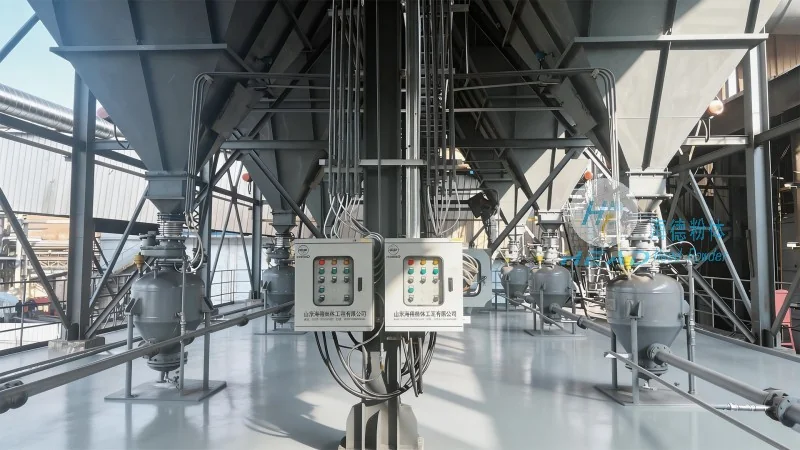
Company Overview: Shandong HeadPowder Engineering Co., Ltd.
Shandong HeadPowder Engineering Co., Ltd., commonly referred to as "headpowder", is a leading manufacturer of material handling systems, specializing in the design and production of maltose material conveying lines. HeadPowder has a strong presence in the food processing industry, providing customized solutions that meet the unique requirements of clients. The company's headquarters and main production facility are located in Shandong, China, where it employs a team of experienced engineers, technicians, and quality control specialists. HeadPowder's commitment to quality is evident in its adherence to international standards, such as ISO 9001, which ensures that its products meet the highest industry benchmarks. The company's research and development team continuously innovates to improve the efficiency and reliability of its conveying systems, staying ahead of market trends and technological advancements. With a focus on customer satisfaction and long-term partnerships, HeadPowder has built a reputation as a trusted provider of maltose material conveying lines in the global market.




