HeadPowder, a leading engineering company based in Shandong, China, specializes in the design, manufacturing, and supply of specialized material handling equipment tailored for sodium silicate applications. This article provides a detailed overview of the operation process and working principles of their sodium silicate material handling equipment, highlighting the key components, operational steps, and technical aspects that ensure efficient and reliable material transport.
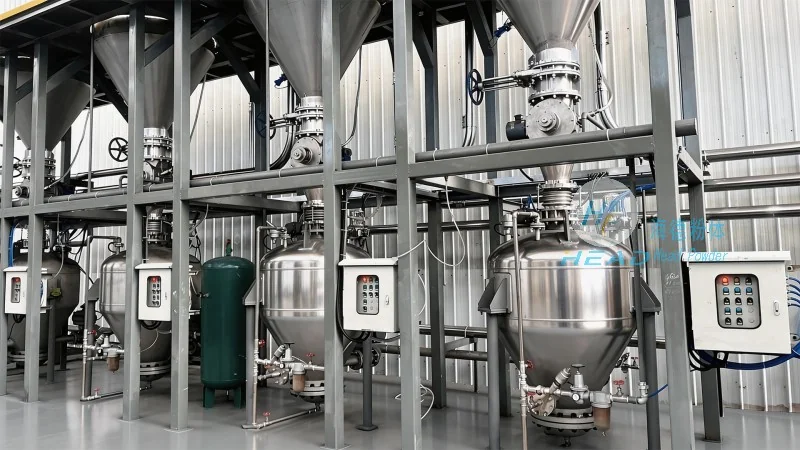
Key Components of the Material Handling System
The sodium silicate material handling system typically consists of several integrated components that work in tandem to achieve seamless material transport. The primary components include a hopper for material storage, a conveyor system (such as a belt or screw conveyor) for transporting the material, a feeding mechanism to regulate the flow of sodium silicate into the conveyor, and a control panel for monitoring and adjusting the system's operation. Each component is engineered to handle the unique properties of sodium silicate, such as its high viscosity and potential for caking, ensuring optimal performance and minimal downtime.
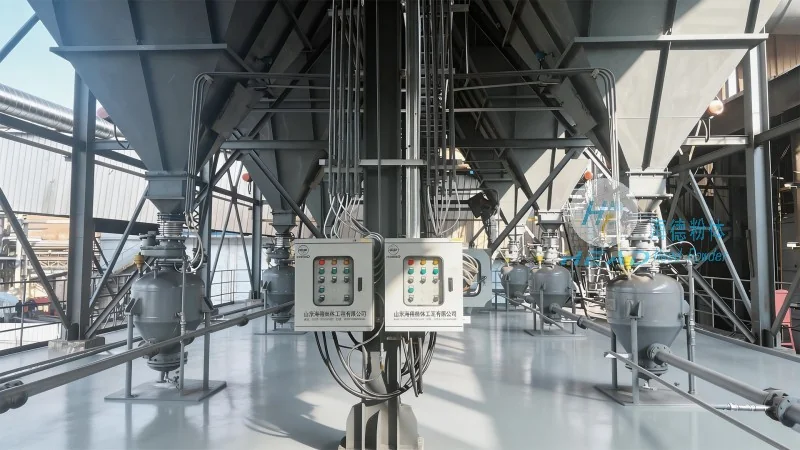
Working Principle of the Equipment
The operation of the sodium silicate material handling equipment follows a systematic process that begins with material loading into the hopper. The material is then fed into the conveyor system through the feeding mechanism, which may include a rotary valve or a gate valve to control the flow rate. The conveyor transports the sodium silicate from the hopper to the discharge point, where it is collected for further processing or storage. The control panel plays a crucial role in regulating the speed of the conveyor, adjusting the feeding rate, and monitoring system parameters such as temperature and pressure to maintain optimal operating conditions. This closed-loop control system ensures that the material handling process is efficient, consistent, and safe.
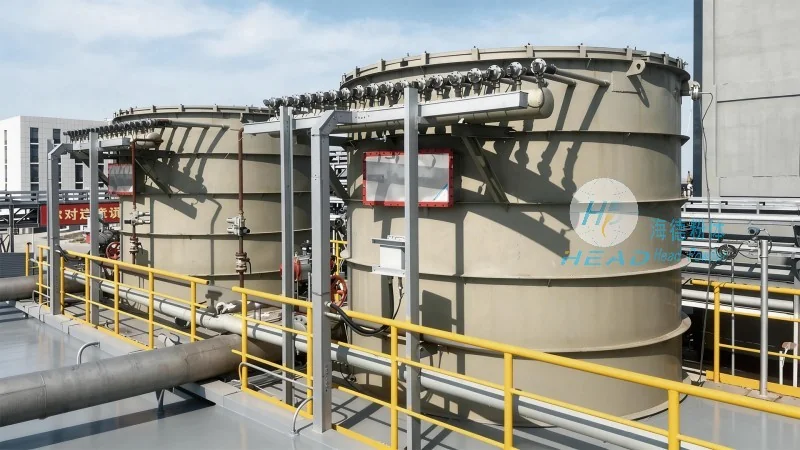
Operation Process Step-by-Step
The operation process of the sodium silicate material handling equipment can be broken down into several key steps. First, the hopper is filled with sodium silicate material, ensuring that the level is within the recommended operating range. Next, the feeding mechanism is activated to start the flow of material into the conveyor. The conveyor then begins to transport the material at a pre-set speed, which is adjusted based on the material's characteristics and the required throughput. During operation, the control panel continuously monitors the system's performance, providing real-time feedback on parameters such as flow rate, temperature, and pressure. If any deviations are detected, the control system automatically adjusts the conveyor speed or feeding rate to maintain stable operation. Finally, the material is discharged from the conveyor and collected in a designated container, completing the material handling cycle.
Technical Considerations for Efficient Operation
Several technical considerations are essential for ensuring the efficient and reliable operation of the sodium silicate material handling equipment. First, the material's viscosity and flow properties must be carefully considered when selecting the type of conveyor system and feeding mechanism. For example, a screw conveyor may be more suitable for handling highly viscous sodium silicate, while a belt conveyor may be preferred for bulk material transport. Second, the equipment must be designed to prevent caking and blockages, which can occur due to the material's tendency to stick to surfaces. This is achieved through the use of anti-adhesion coatings on the hopper and conveyor surfaces, as well as regular cleaning and maintenance procedures. Third, the control system must be equipped with advanced sensors and monitoring tools to detect any abnormalities in the material flow or system performance, allowing for prompt troubleshooting and maintenance. By addressing these technical considerations, the equipment can operate at peak efficiency, minimizing downtime and maximizing productivity.
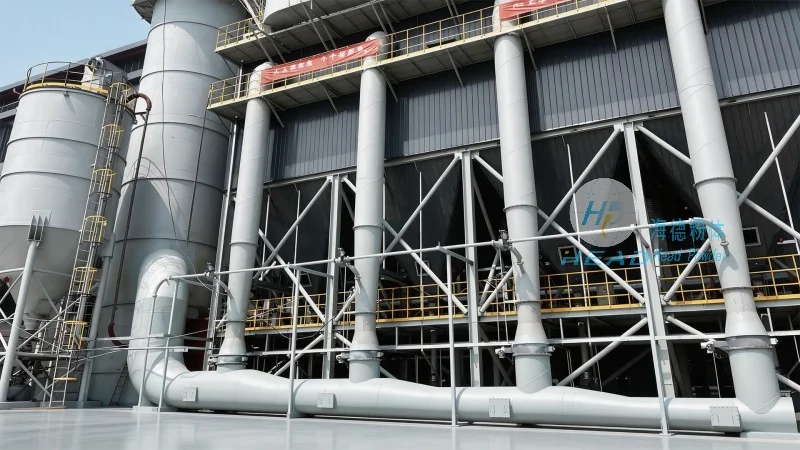
Maintenance and Safety Guidelines
Maintaining the sodium silicate material handling equipment is crucial for ensuring its long-term performance and safety. Regular maintenance procedures should be followed to prevent equipment failure and ensure compliance with safety regulations. This includes inspecting the conveyor belts and chains for wear and tear, cleaning the hopper and feeding mechanisms to remove accumulated material, and checking the control panel for proper functionality. Additionally, safety guidelines must be strictly followed during operation to prevent accidents and injuries. This includes wearing appropriate personal protective equipment (PPE), such as gloves and safety glasses, and ensuring that the equipment is properly grounded to prevent electrical hazards. By adhering to these maintenance and safety guidelines, the equipment can operate safely and efficiently, providing reliable service for years to come.




