Shandong HeadPowder Engineering Co., Ltd., commonly known as headpowder, is a professional manufacturer specializing in the design, development, and production of material handling equipment. With a focus on inorganic salt materials, the company has established itself as a reliable partner in the industry, providing efficient and reliable solutions for material transportation and processing. Headquartered in Shandong, China, the company leverages advanced technology and years of experience to deliver high-quality equipment tailored to the specific needs of clients.
Operation Process of Inorganic Salt Material Handling Equipment
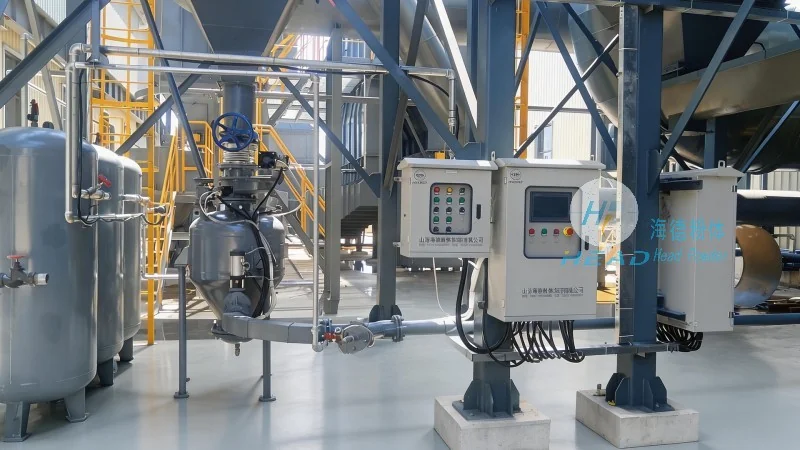
The operation process of inorganic salt material handling equipment typically involves several key stages that ensure efficient and safe material transport. The process begins with the loading of raw inorganic salt materials into the equipment's hopper or feeding system. This initial step is crucial as it sets the foundation for the entire material handling operation. Once loaded, the materials are then transferred through a series of mechanisms such as conveyor belts, screw conveyors, or pneumatic systems, depending on the specific equipment design and the characteristics of the salt materials. The equipment is designed to handle various types of inorganic salts, including but not limited to sodium chloride, potassium chloride, and calcium carbonate, ensuring versatility in application. During the transport process, the equipment maintains consistent speed and pressure to prevent material degradation or blockages. The system is equipped with sensors and control panels that allow operators to monitor the flow rate, temperature, and other critical parameters in real-time. This monitoring capability ensures that any deviations from the optimal operating conditions are immediately detected and addressed, minimizing downtime and maximizing productivity. The final stage of the operation involves the discharge of the processed inorganic salt materials into designated storage or processing areas. The discharge process is designed to be smooth and controlled, preventing spillage and ensuring that the materials are delivered in a uniform manner. Overall, the operation process is optimized for efficiency, safety, and reliability, making it suitable for both industrial and commercial applications.
Working Principle of Inorganic Salt Material Handling Equipment
The working principle of inorganic salt material handling equipment is based on mechanical or pneumatic systems that facilitate the movement of bulk materials. For mechanical systems, the primary components include a feeding mechanism, a conveying mechanism, and a discharge mechanism. The feeding mechanism, often a hopper or a feeder, is responsible for receiving and distributing the inorganic salt materials into the conveying system. This component is designed to handle different material sizes and flow rates, ensuring a consistent feed. The conveying mechanism, which can be a belt conveyor, screw conveyor, or bucket elevator, uses mechanical energy to move the materials through the system. Belt conveyors are commonly used for horizontal or slightly inclined transport, while screw conveyors are ideal for vertical or inclined transport due to their ability to handle materials with varying moisture content. Pneumatic systems, on the other hand, utilize compressed air to transport materials through a network of pipes and ducts. This method is particularly effective for handling fine or dusty inorganic salts, as it minimizes material contact and reduces the risk of contamination. The discharge mechanism, located at the end of the conveying system, is responsible for releasing the materials into the next processing stage or storage area. This component is designed to be adjustable, allowing operators to control the discharge rate and prevent overloading. The entire system is controlled by a programmable logic controller (PLC) or a similar control unit, which coordinates the operation of all components and ensures smooth and continuous material flow. The working principle also incorporates safety features such as overload protection, emergency stop buttons, and material level sensors, which enhance the equipment's reliability and user safety. By integrating these components and principles, the inorganic salt material handling equipment effectively transfers materials with minimal loss, ensuring high efficiency and consistent performance.
Key Features and Advantages
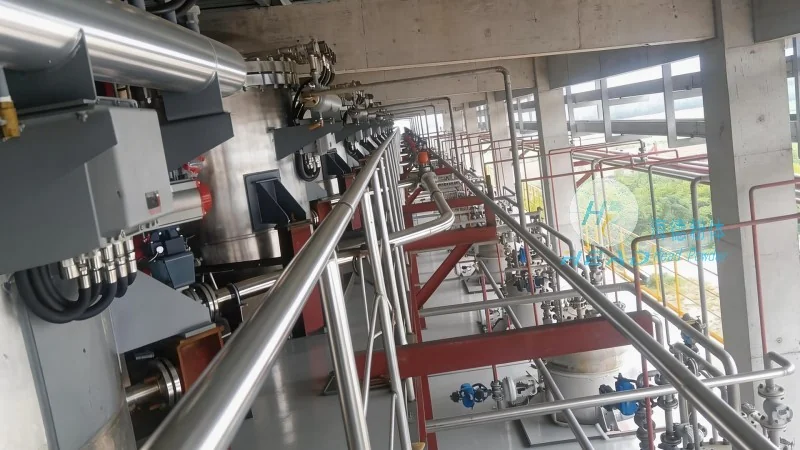
Headpowder's inorganic salt material handling equipment is engineered with several key features that enhance its performance and usability. One of the primary advantages is the equipment's ability to handle a wide range of inorganic salt types, including those with high moisture content or abrasive properties. The design incorporates durable materials such as stainless steel and high-quality plastics to withstand the corrosive nature of these materials. Additionally, the equipment is equipped with adjustable speed controls and variable feed mechanisms, allowing operators to customize the transport process according to specific production requirements. The system also includes integrated cleaning and maintenance features, such as removable components and easy-to-access control panels, which simplify routine upkeep and reduce maintenance costs. Another significant advantage is the equipment's energy efficiency, achieved through optimized motor selection and reduced friction in moving parts. This not only lowers operational costs but also contributes to environmental sustainability. The equipment's compact design and modular construction make it suitable for installation in various industrial settings, from small-scale processing plants to large-scale production facilities. Overall, these features combine to provide a reliable, efficient, and cost-effective solution for inorganic salt material handling.
Applications and Industries
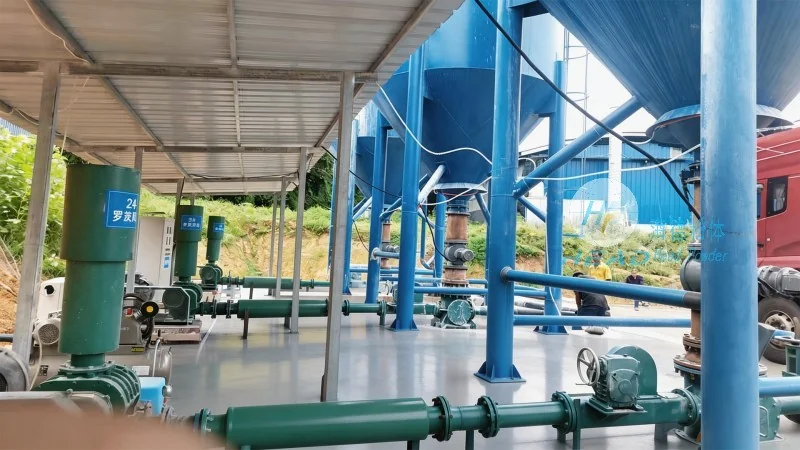
Inorganic salt material handling equipment from headpowder is widely used across various industries that rely on bulk material transport. In the chemical industry, the equipment is essential for transporting raw salts used in the production of fertilizers, pharmaceuticals, and other chemical products. The food industry also benefits from these systems, particularly in the processing of salt for food preservation and flavor enhancement. The mining and mineral processing sectors utilize the equipment to transport mined salts and other minerals to processing plants. Additionally, the agricultural sector uses inorganic salt handling equipment for the distribution of fertilizers and other agricultural chemicals. Each application requires specific equipment configurations, such as different conveyor types or material handling capacities, to meet the unique demands of the industry. Headpowder's customized solutions ensure that the equipment is tailored to the specific needs of each client, providing optimal performance and reliability in diverse operational environments.
Maintenance and Operational Tips
Proper maintenance and operational practices are crucial for maximizing the lifespan and efficiency of inorganic salt material handling equipment. Regular inspections should be conducted to check for wear and tear on components such as belts, screws, and bearings. This includes checking for signs of abrasion, corrosion, or misalignment, which can impact the equipment's performance. Lubrication of moving parts is essential to reduce friction and prevent overheating, which can lead to equipment failure. Additionally, cleaning the system regularly, especially after handling different types of salts, helps prevent material buildup and contamination. The control system should be monitored for any abnormal readings or error messages, as these may indicate underlying issues that need to be addressed promptly. Operators should also be trained on the proper use of the equipment, including how to adjust settings and respond to emergencies. By following these maintenance and operational tips, users can ensure that the equipment operates at peak efficiency, minimizing downtime and maximizing productivity. Headpowder provides comprehensive maintenance services and technical support to assist clients in maintaining their equipment and resolving any issues that may arise.




