Chloroprene rubber, also known as neoprene, is a synthetic polymer widely used in industrial applications due to its excellent resistance to oil, chemicals, and weathering. Material handling systems designed for chloroprene rubber play a crucial role in ensuring efficient and safe processing of this versatile material. This article provides an overview of the operating process and working principle of such systems, highlighting key components and operational procedures.
Key Components of Chloroprene Rubber Material Handling Systems
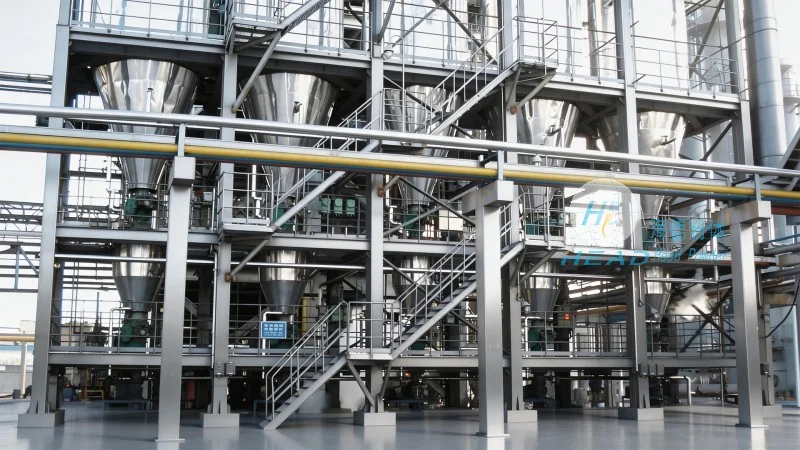
The effective operation of a chloroprene rubber material handling system relies on several critical components that work in tandem to facilitate the movement and processing of the material. These components include:
- Pneumatic Conveying Systems: Utilizing compressed air to transport rubber particles or granules through a network of pipes, these systems are ideal for handling fine or dusty materials without the need for mechanical parts that could cause contamination.
- Rotary Valves and Feeders: These devices control the flow rate and direction of rubber material, ensuring consistent and controlled feeding into processing equipment. They are designed to handle abrasive materials like chloroprene rubber, minimizing wear and tear.
- Conveyors (Belt or Screw): For bulk material transport over longer distances, conveyors provide a reliable means of moving rubber from storage to processing areas. Screw conveyors are particularly effective for handling sticky or cohesive materials, preventing blockages.
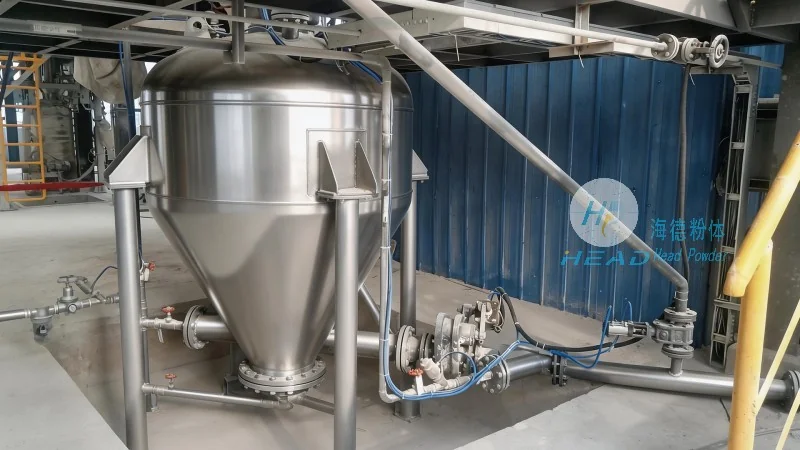
- Storage Bins and Hoppers: These containers store raw chloroprene rubber, allowing for organized and controlled feeding into the material handling system. Proper design ensures minimal material degradation and easy access for maintenance.
Operating Process of the Material Handling System
The operation of a chloroprene rubber material handling system typically follows a sequential process, starting from material storage and ending with delivery to processing equipment. The steps involved are as follows:
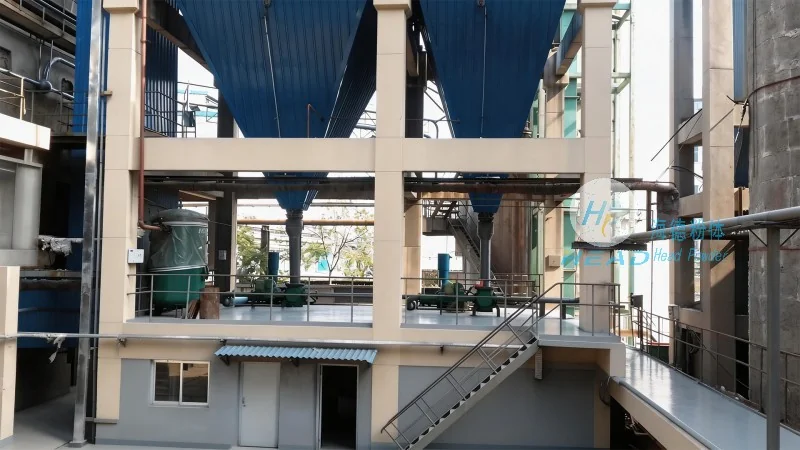
- Material Loading: Raw chloroprene rubber is loaded into the storage bin or hopper. This step ensures a steady supply of material for continuous operation.
- Feeding and Conveying: The rotary valve or feeder regulates the flow of rubber from the storage bin to the conveying system. Depending on the system design, the material may be transported via pneumatic conveying or mechanical conveyors to the processing area.
- Transport and Distribution: The conveying system moves the rubber to the processing equipment, such as mixers or extruders. The system ensures that the material is delivered at the correct rate and in the right quantity to maintain consistent processing conditions.
- Control and Monitoring: Advanced control systems monitor the flow rate, pressure, and temperature of the material handling process. This allows for real-time adjustments to optimize performance and prevent issues like blockages or overloading.
- Discharge and Processing: The rubber is discharged from the conveying system into the processing equipment, where it undergoes further transformation into finished products. The system ensures that the material is delivered efficiently and without contamination.
Working Principle of the Material Handling System
The working principle of a chloroprene rubber material handling system is based on the integration of mechanical, pneumatic, and control technologies to achieve efficient material transport. The core principle involves converting the potential energy of the stored material into kinetic energy through the conveying system, while maintaining material integrity and process consistency.
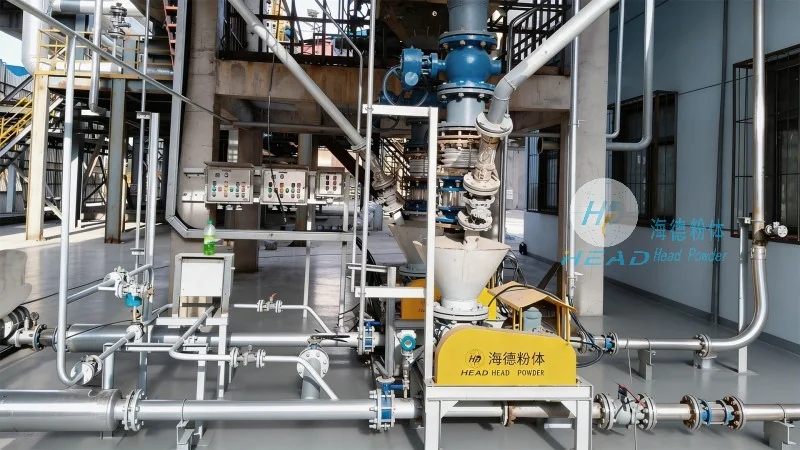
For pneumatic conveying systems, the principle involves creating a pressure differential by using compressed air to draw the rubber particles into the conveying line. The air and material mixture travels through the pipe network, with the air providing the necessary force to move the material. The system is designed to handle different particle sizes and densities, ensuring optimal performance.
In mechanical conveying systems, such as screw or belt conveyors, the principle involves using rotating components to move the material along a fixed path. The screw conveyor, for example, uses a rotating screw to push the rubber forward, while the belt conveyor uses a moving belt to transport the material. These systems are particularly effective for handling bulk materials and maintaining a consistent flow rate.
The control system plays a vital role in the working principle by monitoring and adjusting the parameters of the material handling process. Sensors and controllers ensure that the flow rate, pressure, and temperature are maintained within optimal ranges, preventing issues like overloading or blockages. This real-time control enhances the efficiency and reliability of the system.
Benefits of Using Chloroprene Rubber Material Handling Systems
Implementing a chloroprene rubber material handling system offers several benefits for industrial operations. These include:
- Enhanced Efficiency: The automated process reduces manual labor and minimizes downtime, leading to increased production rates.
- Improved Material Quality: The system ensures consistent material flow and prevents contamination, resulting in higher quality finished products.
- Reduced Labor Costs: Automation reduces the need for manual handling, lowering labor costs and improving workplace safety.
- Optimized Space Utilization: The compact design of the system allows for efficient use of factory space, especially in facilities with limited room for material handling equipment.
- Easy Maintenance: The modular design of the components makes maintenance and repair more manageable, reducing downtime and maintenance costs.
Conclusion
Chloroprene rubber material handling systems are essential for the efficient and safe processing of this versatile polymer. By understanding the operating process and working principle of such systems, industrial manufacturers can optimize their operations, improve product quality, and reduce costs. The integration of advanced components and control technologies ensures that these systems deliver reliable performance, making them a valuable investment for any chloroprene rubber processing facility.




