HeadPowder, a leading engineering company based in Shandong, China, specializes in the design, manufacturing, and implementation of advanced pneumatic conveying systems tailored for sodium bicarbonate applications. This article provides a detailed overview of the operational process and underlying principles of such systems, highlighting their efficiency, reliability, and key components.
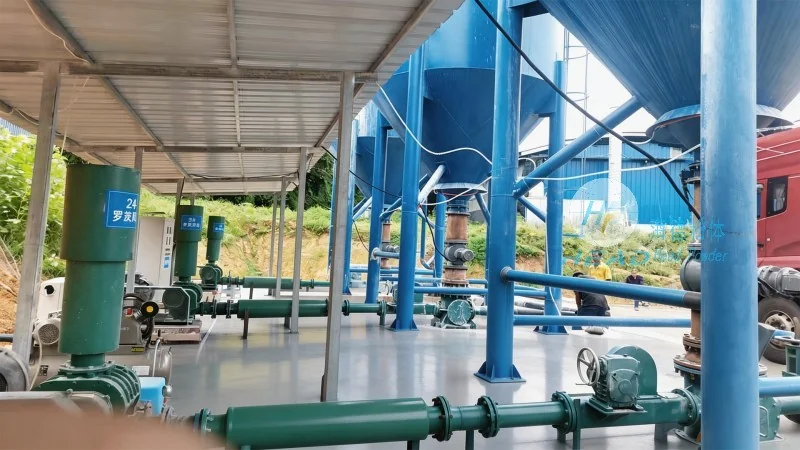
Overview of Pneumatic Conveying Systems for Sodium Bicarbonate
Pneumatic conveying systems are widely used in the chemical and food processing industries to transport bulk materials like sodium bicarbonate (baking soda) from one location to another. These systems utilize compressed air or other gases to move the material through a pipeline network, eliminating the need for mechanical components such as belts or buckets. The primary advantage of pneumatic conveying is its ability to handle fine powders, maintain product integrity, and ensure a clean, dust-free transfer process.
Key Components of a Sodium Bicarbonate Pneumatic Conveying System
The effective operation of a sodium bicarbonate pneumatic conveying system relies on several critical components, each playing a specific role in the material handling process. These components include:
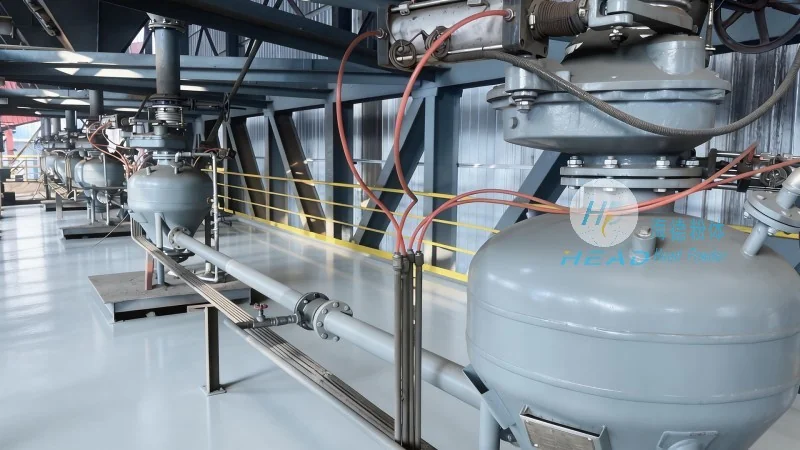
- Feeder: The feeder is responsible for accurately metering and feeding the sodium bicarbonate into the conveying line. It ensures a consistent flow rate, preventing blockages or uneven material distribution.
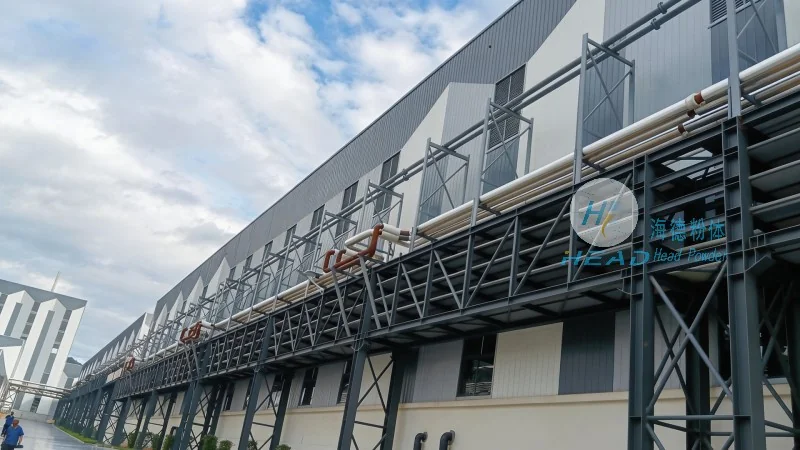
- Conveying Pipeline: The pipeline, typically made of stainless steel or other corrosion-resistant materials, transports the sodium bicarbonate through the system. The design of the pipeline, including bends and elbows, is optimized to minimize pressure loss and maintain the material's velocity.
- Compressor or Blower: This component generates the necessary air pressure to move the material through the pipeline. The choice between a compressor and a blower depends on the system's requirements, such as pressure levels and material characteristics.
- Receiver: The receiver is the final destination where the sodium bicarbonate is deposited. It is designed to handle the material's arrival and can be equipped with dust collection systems to maintain a clean environment.
- Dust Collection System: To ensure environmental compliance and maintain a safe working area, a dust collection system is often integrated into the design. This system captures any airborne particles, preventing contamination and protecting personnel.
Operation Process of the Sodium Bicarbonate Pneumatic Conveying System
The operation of a sodium bicarbonate pneumatic conveying system follows a systematic sequence, ensuring efficient and reliable material transfer. The process begins with the feeder delivering the sodium bicarbonate into the conveying pipeline. Simultaneously, the compressor or blower generates the required air pressure, which propels the material forward. As the material travels through the pipeline, it is suspended in the air stream, maintaining a consistent velocity. The system's control mechanisms monitor pressure, flow rate, and other parameters to adjust the operation as needed. Upon reaching the receiver, the sodium bicarbonate is deposited, and the air is filtered and returned to the system, completing the cycle.
Working Principle of the Pneumatic Conveying Mechanism
The working principle of a pneumatic conveying system for sodium bicarbonate is based on the interaction between the material and the air stream. The system operates on the principle of fluidization, where the material particles are suspended in the air and transported as a slurry. The key factors influencing the system's performance include air velocity, pressure, and the material's properties (such as particle size, density, and moisture content). Proper design and maintenance of the system components are crucial to ensure optimal performance and prevent issues like blockages or pressure drops.
Benefits of Using Pneumatic Conveying for Sodium Bicarbonate
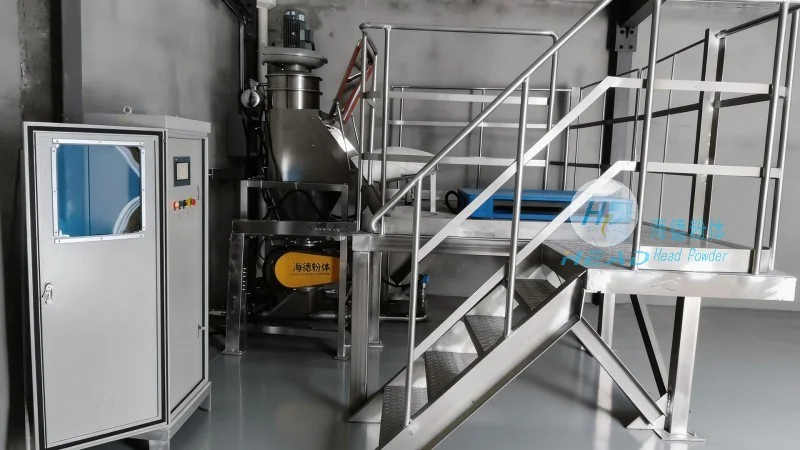
Implementing a pneumatic conveying system for sodium bicarbonate offers several benefits that enhance operational efficiency and product quality. These benefits include:
- Enhanced Product Integrity: The system minimizes product contamination and degradation, as the material is handled in a closed environment with minimal contact with external elements.
- Improved Safety: By eliminating manual handling and mechanical components, the system reduces the risk of accidents and exposure to dust, creating a safer working environment.
- Increased Efficiency: The automated process allows for continuous operation, reducing downtime and increasing overall productivity.
- Cost-Effective: While the initial investment may be higher, the long-term operational costs are lower due to reduced labor and maintenance requirements.
- Flexibility: The system can be easily integrated with existing production lines and can be adapted to handle varying material volumes and flow rates.
Conclusion
HeadPowder's expertise in designing and implementing sodium bicarbonate pneumatic conveying systems ensures that clients receive reliable, efficient, and cost-effective solutions tailored to their specific needs. By understanding the operation process and working principles of these systems, businesses can optimize their material handling processes, improve product quality, and enhance overall operational performance. With a focus on innovation and customer satisfaction, HeadPowder continues to provide cutting-edge solutions for the chemical and food processing industries.




