Quicklime powder, also known as calcium oxide, is a widely used industrial material in various sectors such as construction, environmental protection, and chemical processing. The efficient and safe transportation of quicklime powder from storage to processing units is crucial for maintaining production efficiency and ensuring operational safety. This article provides a detailed overview of the operation process and working principle of a pneumatic conveying system designed specifically for quicklime powder, highlighting the key components, operational steps, and technical considerations involved.
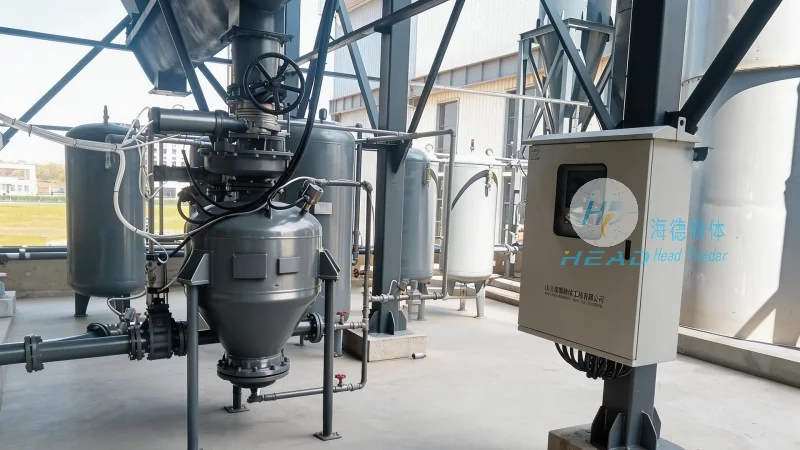
Introduction to Quicklime Powder Pneumatic Conveying Systems
The pneumatic conveying system for quicklime powder is a closed-loop system that utilizes air or gas as the conveying medium to transport dry powder materials. Unlike traditional mechanical conveying methods, pneumatic systems offer advantages such as reduced dust generation, lower maintenance requirements, and the ability to handle materials with high moisture content or abrasive properties. For headpowder, a leading manufacturer based in Shandong, China, this technology is integral to their product line, providing reliable solutions for clients across various industries.
Key Components of the Pneumatic Conveying System
The pneumatic conveying system for quicklime powder typically consists of several core components that work in tandem to ensure efficient material transport. These components include the hopper or storage silo, a rotary airlock valve, a venturi or eductor, a pipeline system, and a dust collector or filter system. Each component plays a critical role in the overall operation of the system:
1. **Hopper or Storage Silo**: This is the initial storage unit where quicklime powder is kept before being conveyed. The design of the hopper is crucial to prevent material bridging or caking, which can impede the flow of powder. For headpowder's systems, the hoppers are often equipped with agitators or vibrators to maintain consistent material flow.
2. **Rotary Airlock Valve**: Positioned at the discharge end of the hopper, the rotary airlock valve acts as a gate to control the flow of quicklime powder into the conveying line. It ensures that the powder is discharged in a controlled manner, preventing backflow and maintaining a consistent feed rate. The valve is designed to handle high-pressure air and abrasive materials like quicklime powder.
3. **Venturi or Eductor**: The venturi or eductor is the heart of the pneumatic conveying system, responsible for creating the necessary airflow to transport the powder. It works by reducing the pressure in the pipeline, which draws the quicklime powder into the air stream. The design of the venturi nozzle and the air pressure supplied determine the conveying capacity and distance.
4. **Pipeline System**: The pipeline system consists of flexible or rigid ducts that connect the various components of the system. The material of the pipeline is typically selected for its resistance to corrosion and abrasion, as quicklime powder can be chemically aggressive and abrasive. Stainless steel or high-density polyethylene (HDPE) is commonly used for this purpose.
5. **Dust Collector or Filter System**: To ensure environmental compliance and operator safety, the system includes a dust collector or filter that captures any airborne particles released during the conveying process. This system helps maintain a clean working environment and prevents dust from escaping into the atmosphere.
Operation Process of the Quicklime Powder Pneumatic Conveying System
The operation of the pneumatic conveying system for quicklime powder follows a systematic sequence of steps, each designed to ensure efficient and safe material transport. The process begins with the preparation of the system and the loading of the hopper with quicklime powder. Here is a step-by-step breakdown of the operation:
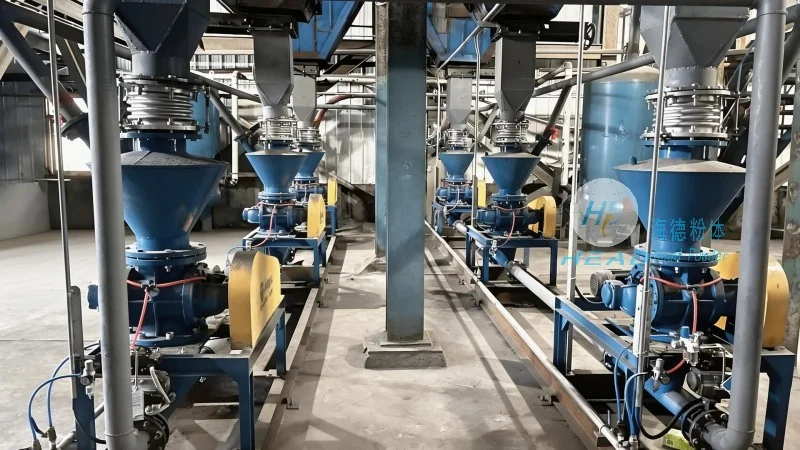
1. **System Preparation**: Before starting the operation, the pneumatic conveying system is prepared by checking the air supply pressure, ensuring all valves are in the correct position, and verifying that the dust collector is operational. The rotary airlock valve is set to the open position, and the venturi is primed with air.
2. **Powder Loading**: Quicklime powder is loaded into the hopper from a bulk delivery truck or other storage containers. The hopper is equipped with level indicators to monitor the powder level, ensuring that the system operates within the optimal range.
3. **Conveying Start**: Once the hopper is filled, the rotary airlock valve is activated, allowing quicklime powder to enter the pipeline. Simultaneously, the venturi is activated, creating a low-pressure zone that draws the powder into the air stream. The combination of the rotary valve and venturi ensures a consistent flow of powder.
4. **Transport and Delivery**: The mixed powder and air stream travels through the pipeline to the destination point, such as a processing unit or a storage silo. The pipeline is designed to minimize pressure drop and maintain the flow velocity required for effective conveying.
5. **End of Conveying**: When the required amount of quicklime powder has been transported, the system is shut down. The rotary airlock valve is closed to prevent backflow, and the venturi is turned off. The dust collector continues to operate to clear any residual dust from the system.
Working Principle of the Pneumatic Conveying System
The working principle of the pneumatic conveying system for quicklime powder is based on the principles of fluid dynamics and particle transport. The system operates by creating a pressure differential between the inlet and outlet of the conveying line, which allows the powder to be suspended and transported by the air stream. The key principles involved are:
1. **Airflow and Pressure Differentiation**: The venturi or eductor creates a region of low pressure in the pipeline, which draws the quicklime powder particles into the air stream. The pressure difference is maintained by the air compressor or blower, which supplies the necessary airflow at a controlled pressure.
2. **Particle Suspension**: The velocity of the air stream is sufficient to suspend the quicklime powder particles, preventing them from settling or clogging the pipeline. The conveying velocity is typically higher than the terminal velocity of the powder particles, ensuring stable transport.
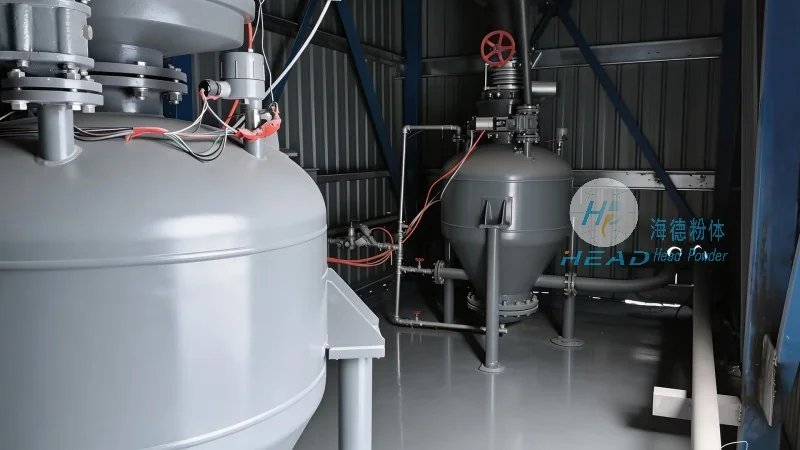
3. **Mass Flow Control**: The system maintains a consistent mass flow rate of quicklime powder by controlling the feed rate from the hopper and the airflow through the venturi. This is achieved through the use of the rotary airlock valve, which regulates the powder discharge rate, and the venturi, which adjusts the air pressure to match the required conveying capacity.
4. **Energy Efficiency**: The pneumatic conveying system is designed to be energy-efficient by optimizing the air pressure and flow rate. By minimizing pressure drop and reducing the need for mechanical components, the system reduces energy consumption and operational costs.
Advantages and Considerations for Quicklime Powder Pneumatic Conveying
Headpowder's pneumatic conveying systems for quicklime powder offer several advantages over traditional mechanical conveying methods. These include reduced dust generation, lower maintenance requirements, and the ability to handle materials with high moisture content or abrasive properties. However, there are also considerations to keep in mind when implementing such a system:
1. **System Sizing and Capacity**: The capacity of the pneumatic conveying system must be matched to the production requirements of the client. Over-sizing or under-sizing the system can lead to inefficiencies or operational issues.
2. **Material Properties**: The properties of quicklime powder, such as its particle size, density, and moisture content, affect the system's performance. Proper system design takes into account these properties to ensure optimal conveying.
3. **Environmental Compliance**: The dust collector or filter system must meet local environmental regulations to ensure compliance and prevent fines.
4. **Safety Measures**: Pneumatic conveying systems involve high-pressure air and moving parts, which require proper safety measures, such as lockout/tagout procedures and regular maintenance checks.
Conclusion
The pneumatic conveying system for quicklime powder is a sophisticated and efficient solution for transporting dry powder materials. By understanding the key components, operation process, and working principles, users can optimize the system for their specific needs. Headpowder, with its expertise in engineering and manufacturing, provides reliable and high-performance pneumatic conveying systems that meet the demands of various industries. Based in Shandong, China, headpowder continues to innovate and deliver solutions that enhance operational efficiency and safety in the handling of quicklime powder.




